

Nature Guide: Identifying Unique Moths, Beetles, and Water Insects
Urban Biodiversity: Why Backyard Insects Are Signaling Environmental Shifts
Amateur naturalists and backyard observers are playing an increasingly vital role in tracking insect migration and population shifts, according to data compiled by nature columnist Frans Kapteijns. By documenting sightings of species like the yellow-banded longhorn moth (*Nemophora degeerella*) and the pond skater (*Gerridae*), citizens provide verifiable field data that helps professional ecologists monitor shifts in local ecosystems. These observations often highlight how climate patterns and human activity—such as the importation of timber—influence the arrival of non-native or rare insect species in residential gardens.
How Citizen Science Tracks Rare Species
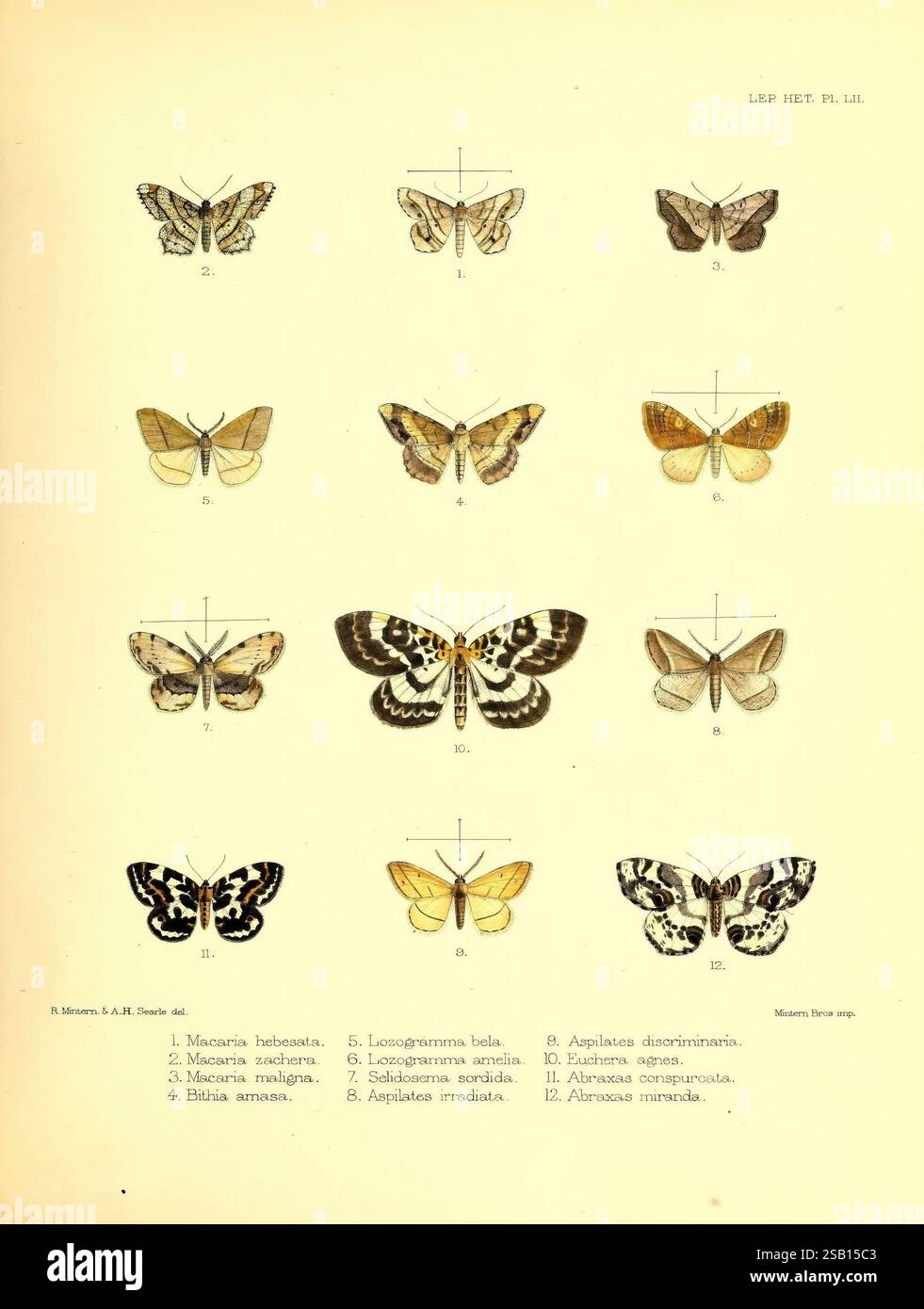
Citizen science is the primary tool for identifying the presence of rare or displaced insects, according to reports from observers like Steven van Pelt and Auke van Veen. When these individuals document insects on their property, they provide researchers with temporal and spatial data that would otherwise remain unrecorded.
For example, the recent sighting of a *Cerambyx cerdo*, or “great capricorn beetle” (heldenbok), by Marjan Keijzer highlights a significant trend: the accidental introduction of foreign species. According to Kapteijns, while this beetle is rare or functionally extinct in many northern regions, it frequently appears in residential areas after being transported via imported firewood from Southern or Eastern Europe. This demonstrates that residential backyards are now serving as frontline observation points for the unintended consequences of international timber trade.
The Role of “Day-Active” Night Moths in Ecosystem Health
Certain species, such as the yellow-banded longhorn moth, challenge traditional classifications by remaining active during daylight hours despite being classified as night-active moths, Kapteijns notes. Understanding these behavioral patterns is essential for assessing how insects adapt to changing environmental pressures.
* Dietary Shifts: Unlike many insects that rely on fresh vegetation, the larvae of the yellow-banded longhorn moth thrive on decaying birch leaves in moist deciduous forests.
* Observation Value: Because these moths are visible during sunny spring days, they act as accessible indicators of forest floor health.
When residents report these sightings, they help ecologists track whether the specific micro-habitats required for these larvae—such as damp, leaf-littered forest floors—are being maintained or degraded.
Distinguishing Native Species from Invasive Threats
Not every insect found in a garden poses a risk to home infrastructure, despite common misconceptions. A key distinction exists between the harmless great capricorn beetle and the destructive house longhorn beetle (*Hylotrupes bajulus*). According to Kapteijns, of the approximately 130 beetle species observed in the Netherlands, only a small fraction—roughly 85 to 95 are truly native—poses a threat to wooden structures.
Schildpadkevers (tortoise beetles) possess a unique defense mechanism: they can retract their legs and antennae entirely beneath their armored shells. If threatened, they drop to the ground, a common behavior among many leaf-eating beetle species.
Frequently Asked Questions

Why do some insects look like walking sticks but aren’t?
Insects like the pond skater or the water stick insect (*Ranatra linearis*) often exhibit elongated bodies that mimic twigs or sticks. However, these are actually aquatic bugs (Hemiptera) that utilize specialized hunting strategies, such as detecting water surface vibrations to capture prey.
Are all long-horned beetles dangerous to homes?
No. Most long-horned beetles, including the great capricorn beetle, do not damage houses. The house longhorn beetle is the primary species known for causing structural timber damage.
How can I contribute to biodiversity tracking?
Documenting sightings with clear photos and precise locations is the best way to assist local nature organizations. Many regional groups, such as the IVN, host guided “nature awakening” walks that teach participants how to identify and record local wildlife.
Pro Tips for Backyard Observers
- Use Macro Photography: Clear images of wing patterns and antenna length are essential for expert identification.
- Monitor Water Features: Pond skaters and water bugs are excellent indicators of water quality and the presence of smaller aquatic organisms.
- Observe at Dawn: As noted by the IVN Uden, the most active time for nature is often shortly after sunrise, when insects and birds are most visible.
Want to learn more about the insects in your own backyard? Subscribe to our weekly nature newsletter to receive identification guides and local wildlife reports directly to your inbox.