
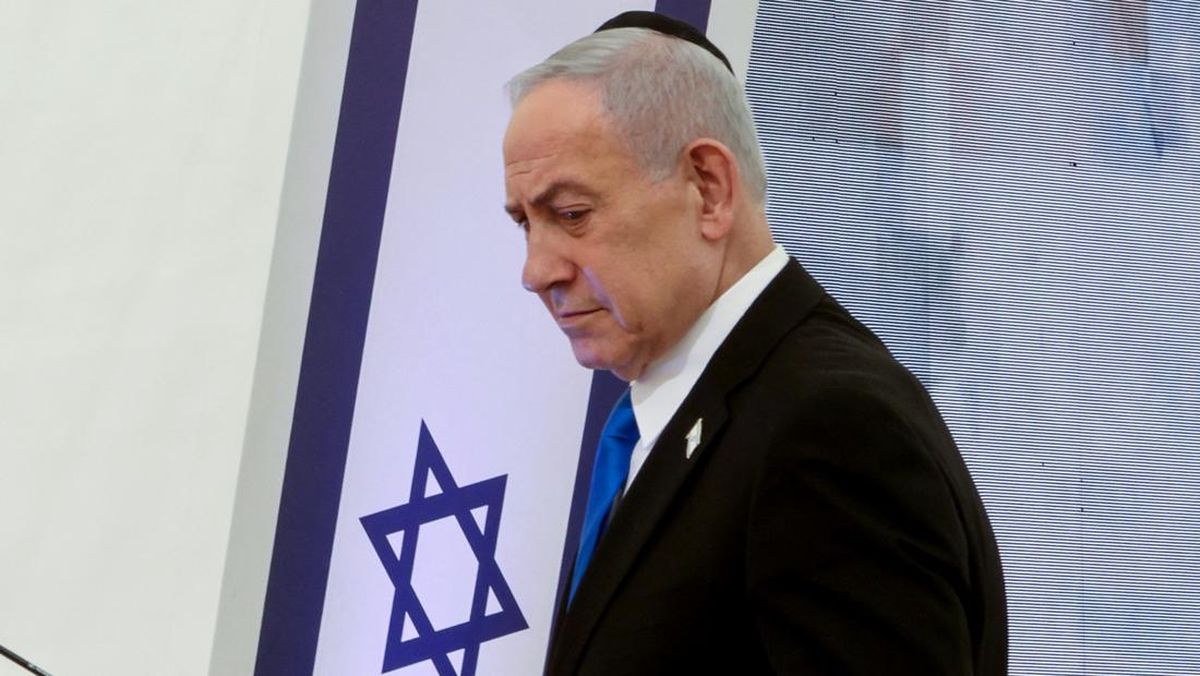
Netanyahu Booed and Urged to Resign at Israeli Military Graduation
<>
Benjamin Netanyahu faces mounting domestic and international pressure, highlighted by recent boos at a military graduation ceremony at the Bahad 1 base. According to reports from Yedioth Ahronoth and Maariv polling, a growing opposition movement and potential shifts in U.S. diplomatic preferences signal a possible transition toward a new Israeli government.
Why is Benjamin Netanyahu facing backlash from the Israeli military?
Prime Minister Benjamin Netanyahu was booed and urged to resign during a speech at a military graduation ceremony in southern Israel on June 25. The incident occurred at the Bahad 1 base, which serves as the training school for Israeli army officers, according to the daily Yedioth Ahronoth as reported by Anadolu Agency.
This public display of dissent contradicts Netanyahu’s own narrative. During the same speech, Netanyahu claimed Israel is at the “peak of a regional war” and has successfully “changed the rules of the game” by demonstrating an “iron grip” on the region. The contrast between the Prime Minister’s claims of strength and the reaction from military graduates suggests a widening gap between government rhetoric and the sentiment within the security apparatus.
What do the latest polls say about Israel’s political future?
Current data suggests a potential shift in power if elections were held immediately. A poll released by the Israeli newspaper Maariv on June 19 indicates that the opposition could form a government, holding a lead of 61 seats compared to 49 seats for the Netanyahu bloc.
The poll also highlights the growing influence of minority parties. Arab parties are projected to win 10 seats in the elections scheduled for October. This distribution of power would likely make it impossible for Netanyahu’s current coalition to maintain a majority without significant shifts in party alliances.
Comparison of Political Strength (Maariv Poll)
| Political Bloc | Projected Seats |
|---|---|
| Opposition Bloc | 61 |
| Netanyahu Bloc | 49 |
| Arab Parties | 10 |
How is U.S. diplomatic pressure impacting the Netanyahu government?
External pressure from the United States is intensifying. Channel 12 reported on June 21 that officials within the Trump administration believe the Netanyahu government should be replaced. The report cites concerns over “hardline” elements within Netanyahu’s coalition.

According to Channel 12, the U.S. government has expressed specific concerns regarding these hardline groups and is seeking to build a new base of popular support before the upcoming Israeli elections. This friction reportedly stems from repeated disagreements regarding policy toward Iran.
This development marks a shift in diplomatic strategy. While U.S. administrations often maintain public support for Israeli leadership, the reported effort to actively seek a government replacement indicates a breakdown in trust over regional stability and the handling of the conflict in the Gaza Strip.