
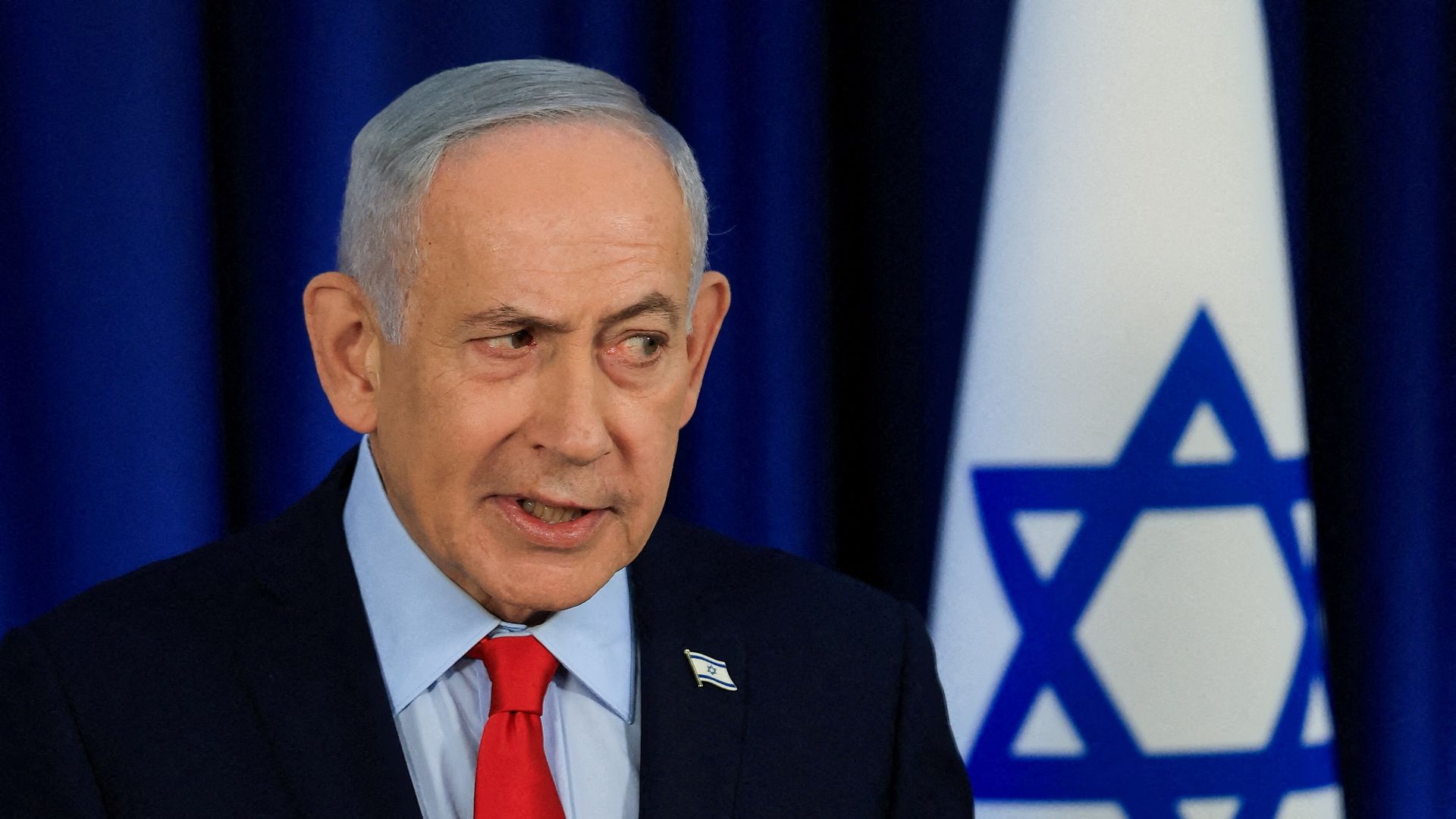
Netanyahu: Israel to Control 70% of Gaza
The New Map of Gaza: Decoding the Strategy of Strategic Control
For decades, the conflict in the Levant has been defined by boundaries, buffers and checkpoints. However, the recent signals that Israel may seek control over a significant portion of the Gaza Strip—potentially up to 70%—mark a fundamental shift in military doctrine. This isn’t just about a tactical victory; it’s about a long-term restructuring of the region’s security architecture.
When a state moves from “clear and hold” to “permanent control,” the geopolitical stakes skyrocket. We are seeing a transition from a war of attrition to a strategy of territorial management, designed to ensure that the conditions for a resurgence of militant activity are physically erased from the map.
The Logic Behind the 70%: Security Corridors and Buffer Zones
To understand why a specific percentage like 70% is being discussed, one must look at the geography of Gaza. The goal is likely the creation of “security corridors” that bisect the territory, effectively splitting the north from the south.
The Netzarim and Philadelphi Factors
The Netzarim corridor serves as a prime example. By maintaining a permanent military presence along a central axis, the IDF can control the movement of people and goods, preventing the regrouping of armed factions. Similarly, control over the Philadelphi corridor—the strip of land along the border between Gaza and Egypt—is critical to stopping the smuggling of weapons via tunnels.
By controlling these strategic arteries and the surrounding periphery, the military can maintain a “security envelope” without necessarily needing to govern every single street in every city. This is “control by design” rather than “control by administration.”
Geopolitical Ripple Effects: Beyond the Border
A long-term Israeli presence in Gaza doesn’t happen in a vacuum. It sends a powerful signal to regional players, particularly Iran and its proxies. For Tehran, a diminished Hamas is a blow to the “Axis of Resistance.” For Saudi Arabia and the UAE, the prospect of a long-term occupation complicates the path toward normalization agreements.
The international community, led by the U.S. And the EU, remains wary. The tension lies between Israel’s perceived need for absolute security and the global demand for a viable Palestinian state. As we analyse global diplomatic trends, it becomes clear that the “Day After” plan is the most contested piece of the puzzle.
The Governance Gap: Who Manages the Remainder?
If Israel controls 70% of the land for security purposes, the remaining 30% becomes a governance nightmare. The question isn’t just who holds the gun, but who collects the trash and fixes the pipes.
Potential models include:
- Local Clan Governance: Empowering local families to manage neighborhoods, though this often leads to instability and tribal warfare.
- International Trusteeship: A coalition of Arab states backed by Western funding to manage civilian life.
- Revised Palestinian Authority: A “reformed” PA returning to Gaza, though this remains politically toxic for many in the current Israeli government.
For more on how regional power shifts affect global markets, check out our analysis on Regional Stability and Economic Impact.
Future Trends: The Evolution of Urban Occupation
Looking forward, the Gaza model may become a blueprint for “Smart Occupation.” We are likely to see an increased reliance on AI-driven surveillance, autonomous drones, and biometric checkpoints to maintain control with fewer boots on the ground.
This shift toward technological dominance allows a military to project power over a large area (like the proposed 70%) without the political cost of a massive troop presence. However, this “digital wall” often increases local resentment, potentially fueling a new generation of insurgency.
Frequently Asked Questions
Q: What does “controlling 70% of Gaza” actually mean in practice?
A: It likely refers to the establishment of permanent military zones, security corridors, and buffer strips where civilian access is restricted and the IDF maintains operational command.
Q: How does this impact the two-state solution?
A: Extensive territorial control makes the creation of a contiguous, sovereign Palestinian state significantly more difficult, shifting the conversation toward a “security-first” model rather than a “political-first” model.
Q: Will this lead to permanent resettlement?
A: While some political factions advocate for it, the official military strategy focuses on security control to prevent terrorism, not necessarily the civilian recolonization of the strip.
Join the Conversation
Do you believe strategic territorial control is the only way to ensure long-term security, or does it create a cycle of endless conflict? We want to hear your perspective.
Leave a comment below or subscribe to our geopolitical newsletter for deep-dive reports delivered to your inbox.