
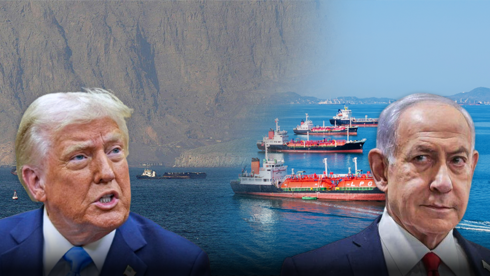
Netanyahu not invited to Trump meeting with Mideast leaders at G7, official says
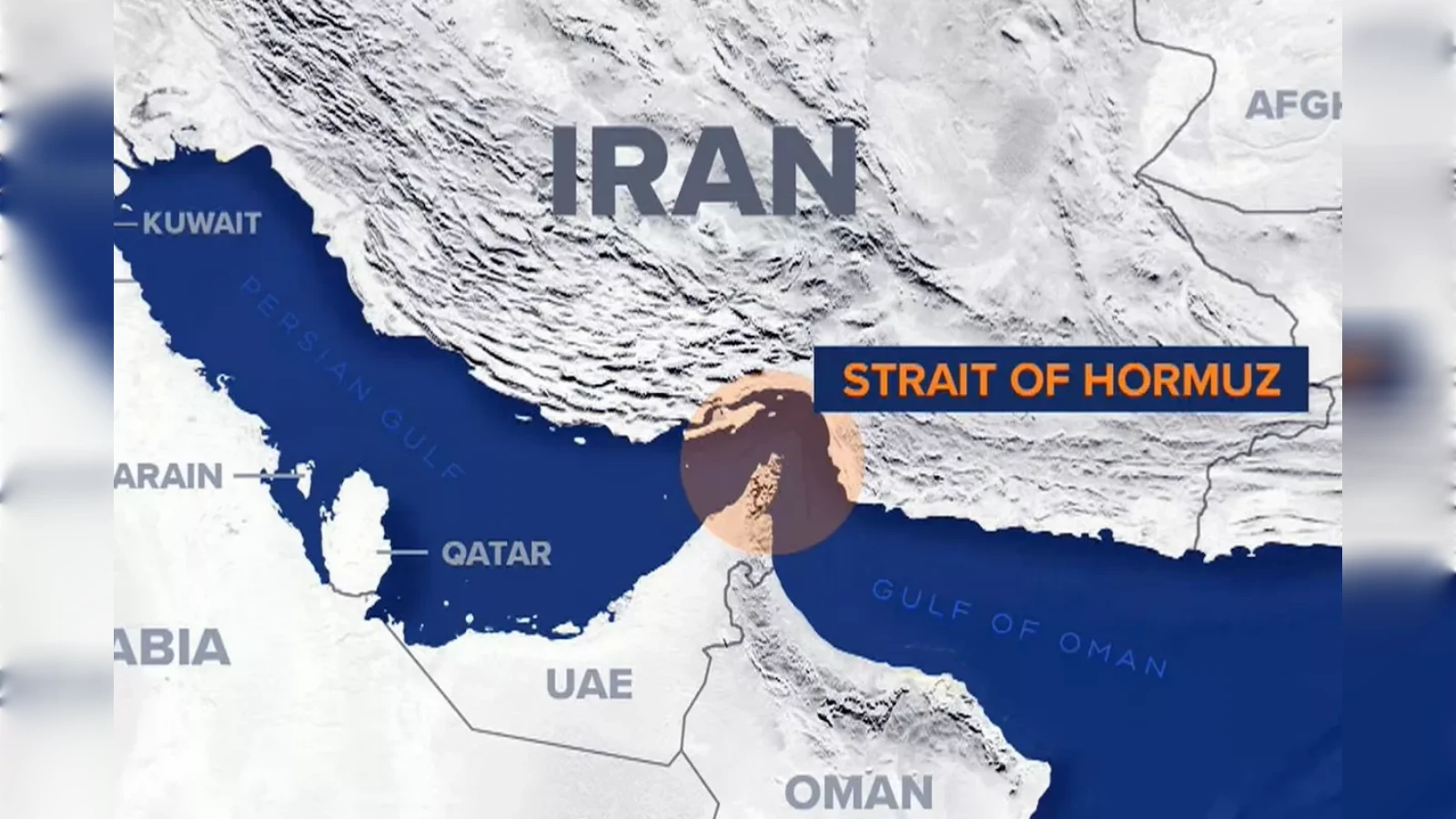
A senior U.S. administration official reports a “strong” deal with Iran is imminent, potentially reopening the Strait of Hormuz for global oil shipping. The agreement includes G7-led demining efforts, though Prime Minister Benjamin Netanyahu is excluded from related Middle Eastern leader meetings due to an ICC arrest warrant and diplomatic tensions with President Trump.
What is the status of the Iran deal?
The U.S. administration believes a “strong deal” is now in place, according to a senior official. While a final signature hasn’t occurred, Iranian Foreign Minister Abbas Araghchi stated on X that an agreement “has never been closer.” President Trump shared Araghchi’s post, signaling alignment between the two sides.
Timelines for the finalization differ by source. Pakistan stated Saturday that a deal is closer than “ever before” and expected a conclusion within 24 hours. Iran remains more cautious; officials noted a signing wouldn’t happen Sunday but didn’t rule out a deal in the coming days.
Why is Benjamin Netanyahu excluded from the meetings?
Prime Minister Benjamin Netanyahu isn’t expected to join Trump’s meetings with Middle Eastern leaders. Two primary factors drive this exclusion: legal obligations and diplomatic friction.
Netanyahu is currently under an international arrest warrant issued by the International Criminal Court (ICC) in The Hague regarding the war in Gaza. Because France is a party to the Rome Statute, the treaty establishing the court, the French government is obligated to act on such warrants. This creates a legal barrier for Netanyahu’s participation in meetings involving French territory or leadership.
Relations between Trump and Netanyahu have also soured. According to the administration official, Trump has pressed Israel to restrain its military responses to threats from Iran and the Hezbollah group in Lebanon.
How will the Strait of Hormuz be reopened?
The emerging agreement focuses heavily on the physical reopening of the Strait of Hormuz. A senior U.S. official confirmed that the U.S. will be involved in demining operations as the waterway opens.
Other G7 nations are expected to assist. Britain and France have already expressed interest in helping clear mines from the strategic route once the conflict pauses. This coordinated effort aims to restore traffic that was severely disrupted by the war and U.S. blockades of Iranian ports.
Who else is Trump meeting?
The diplomatic push extends beyond the Iran deal. Trump is scheduled to meet with leaders from Egypt, India, and France. He is also expected to hold talks with Ukrainian President Volodymyr Zelenskyy.
A key highlight of the itinerary is a dinner with French President Emmanuel Macron at Versailles on Wednesday, according to the U.S. official.
Comparing Diplomatic Perspectives
| Entity | Stance on Deal Timeline | Primary Focus |
|---|---|---|
| Pakistan | Expected within 24 hours | Ending the war |
| Iran | Cautious; “coming days” | Agreement terms |
| U.S. Admin | “Strong deal” is ready | Demining & Stability |
Frequently Asked Questions
What is the Rome Statute?
It’s the treaty that established the International Criminal Court (ICC). Countries that sign it, like France, are legally required to arrest individuals named in ICC warrants.
Why is the Strait of Hormuz so important?
It’s the primary artery for oil leaving the Persian Gulf. Any closure or instability there typically leads to a spike in global energy costs.
Is the Iran deal officially signed?
No. While U.S. and Iranian officials say it’s closer than ever, Iran has indicated that a formal signing did not occur on Sunday.
What do you think about the U.S. strategy of excluding Netanyahu from these talks? Does it increase the chance of a deal with Iran? Let us know in the comments below or subscribe to our newsletter for real-time geopolitical updates.