

New All-in-One Artificial Pancreas Device for Type 1 Diabetes Management
Recent research presented at the 2026 American Diabetes Association scientific meeting indicates a potential shift in type 1 diabetes treatment through the development of “Niia,” a new integrated artificial pancreas device. According to Osama Hamdi, the device combines continuous glucose monitoring and insulin delivery into a single, compact unit worn on the skin, aiming to simplify disease management.
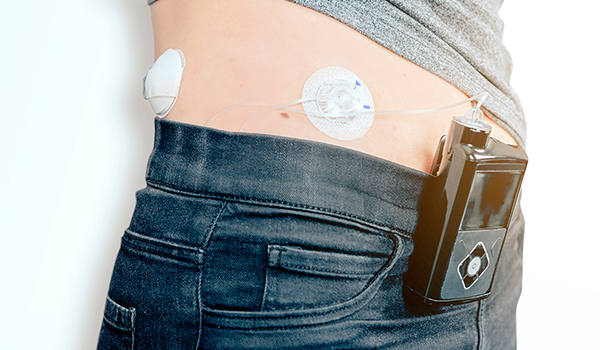
Current artificial pancreas systems typically rely on two separate devices—one for glucose monitoring and one for insulin delivery—that communicate via advanced algorithms, whereas the new Niia system merges these functions into one unit.
How the New Integrated System Functions
The Niia device functions by simultaneously measuring glucose levels and delivering insulin through a single, small unit. Osama Hamdi noted that this design allows users to monitor data and control settings directly via a mobile phone. By consolidating these functions, the system intends to reduce the physical and logistical burden of managing multiple devices, a common challenge for patients currently using traditional two-part systems.
Clinical Development and Market Outlook
While the device remains in the clinical evaluation and development phase, early results have been described as encouraging. Provided that ongoing studies meet necessary regulatory standards, the device could potentially reach the market by 2028. Beyond type 1 diabetes, this technology may also offer benefits to certain patients with type 2 diabetes who require insulin therapy, as the system provides increased precision in glucose control.
The transition from dual-device systems to integrated units represents a significant shift in patient-centered care. By reducing the number of components, the technology may lower the daily management threshold for patients, potentially improving long-term adherence to insulin therapy regimens.
Frequently Asked Questions
What is the primary difference between current systems and the Niia device?
Current systems require two separate devices working in tandem to monitor glucose and deliver insulin, while the Niia device integrates both functions into a single, small unit.
Who can benefit from this new technology?
The device is being developed for patients with type 1 diabetes, though it may also assist some patients with type 2 diabetes who rely on insulin treatment.
When will this device be available to patients?
The device is still in the clinical development stage; if further studies and regulatory approvals proceed as planned, it could be available by 2028.
How would the integration of glucose monitoring and insulin delivery into a single device change your daily routine?