
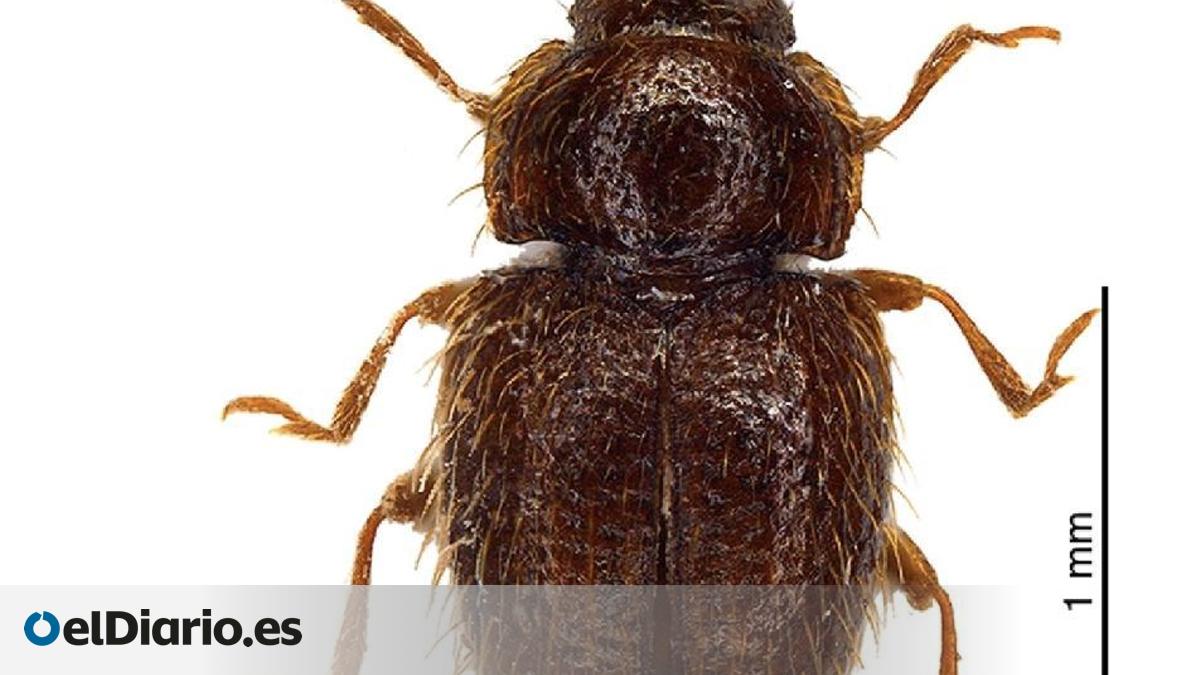
New Beetle Species Mycetaea tenerifensis Discovered in Tenerife
The discovery of Mycetaea tenerifensis, a new beetle species found in Tenerife, highlights the critical role of island biodiversity. According to research published in the Zoological Journal of the Linnean Society, this species underscores how isolated micro-habitats, such as decaying leaf litter, harbor unique evolutionary lineages now threatened by rapid climate change.
Why is Mycetaea tenerifensis a breakthrough for evolutionary science?
This isn’t just another bug in a jar. The identification of M. tenerifensis provides a vital piece of the evolutionary puzzle for the Mycetaeidae family. According to Emmanuel Arriaga-Varela, a doctor in Zoology from Charles University in Prague, the genus likely originated in the Mediterranean region, spanning Europe, North Africa, and the Near East.
This creates a sharp contrast with its closest relative, Afromycetaea, which is found in Southern Africa. By mapping these distributions, scientists can track how species migrated and diverged over millennia. Arriaga-Varela notes that the similarity between the new species and Mycetaea subterranea suggests a relatively recent evolutionary split between continental and island populations.
How do scientists distinguish new species from old ones?
You can’t always tell a new species apart just by glancing at it. While M. tenerifensis is darker—ranging from black to brown—than M. subterranea, the real evidence lies in the anatomy. Researchers focused on the pronotum and the ventral part of the thorax to find structural differences.
The “smoking gun,” however, was the spermatheca. This is the specialized pouch females use to store sperm for fertilizing eggs. According to the study by Wioletta Tomaszewska, Emmanuel Arriaga-Varela, and Karol Szawaryn, the shape and proportions of this organ differed significantly between the two species, confirming they are distinct biological entities.
The Role of Molecular Studies
Morphology gets us halfway there, but the future of taxonomy is genetic. Arriaga-Varela admits that while physical traits suggest a recent split, molecular studies are still needed to pin down the exact timeline of when these beetles diverged. This trend toward “integrative taxonomy”—combining physical traits with DNA sequencing—is becoming the gold standard for biodiversity research.
What happens to micro-habitats when the climate shifts?
The survival of M. tenerifensis depends on a very specific diet: micro-fungi found in decomposing plant matter. This makes the species incredibly vulnerable. If rainfall patterns shift or humidity drops, the fungi disappear. If the fungi disappear, the beetles starve.
There’s a worrying gap in the data. The specimens used for this description were collected thirteen years ago. This “taxonomic lag” is a common problem in biology; by the time a species is officially named and published, its habitat may have already vanished. Researchers now urge a return to these sites to verify if the species still exists in the wild.
Comparing the threats: Human pressure vs. Climate change
The Canary Islands are biological hotspots, but they’re also under siege. The researchers point to two primary enemies: anthropogenic pressure (human activity) and climate change. While urban sprawl destroys habitats directly, climate change alters the chemistry of the environment.
Unlike larger animals that can migrate to higher altitudes to find cooler air, micro-beetles are tied to the specific moisture levels of the forest floor. A few degrees of temperature increase can dry out a Barranco, effectively erasing a species’ entire world without a single tree being cut down.
Frequently Asked Questions
Where was the new beetle found?
It was discovered in the Barranco de Lora, Los Realejos, on the island of Tenerife.

What does this beetle eat?
It feeds on microscopic fungi found in decomposing vegetable matter, such as fallen leaves.
Why is the spermatheca important for identification?
Because reproductive organs often evolve distinct shapes to prevent cross-breeding between species, making them reliable markers for scientists to distinguish one species from another.
Is the species currently endangered?
While not officially listed, its reliance on fragile micro-habitats and the 13-year gap since the last collection make it highly susceptible to extinction.
The discovery of M. tenerifensis is a reminder that we’re still in the age of discovery. There are countless species beneath our feet that we haven’t named yet—and we might lose them before we even know they exist. To learn more about how to protect local ecosystems, check out our guide on sustainable habitat preservation.