
New Blood Test Method Improves HDL Function Analysis in Heart Disease
Researchers at the Institute of Science Tokyo have developed a new blood-based assessment to measure cholesterol efflux capacity (CEC), a critical indicator of how effectively high-density lipoprotein (HDL) removes cholesterol from blood vessel walls. Published in the journal Atherosclerosis, the study links this function to the presence of high-risk coronary plaques, offering a potential path toward more practical cardiovascular risk screening.
Did You Know? The research team utilized a novel method known as immobilized liposome-bound gel beads (ILG) to simplify the measurement of CEC, aiming to overcome the complexities associated with traditional testing methods.
Linking HDL Function to Coronary Plaque Risk
The study, led by Professor Ryunosuke Ohkawa and Professor Emeritus Minoru Tozuka of the Institute of Science Tokyo’s department of clinical bioanalysis and molecular biology, examined the relationship between HDL function and plaque characteristics. By analyzing samples from 61 patients who underwent catheter examinations, the researchers compared CEC values against plaque imagery captured through optical coherence tomography.
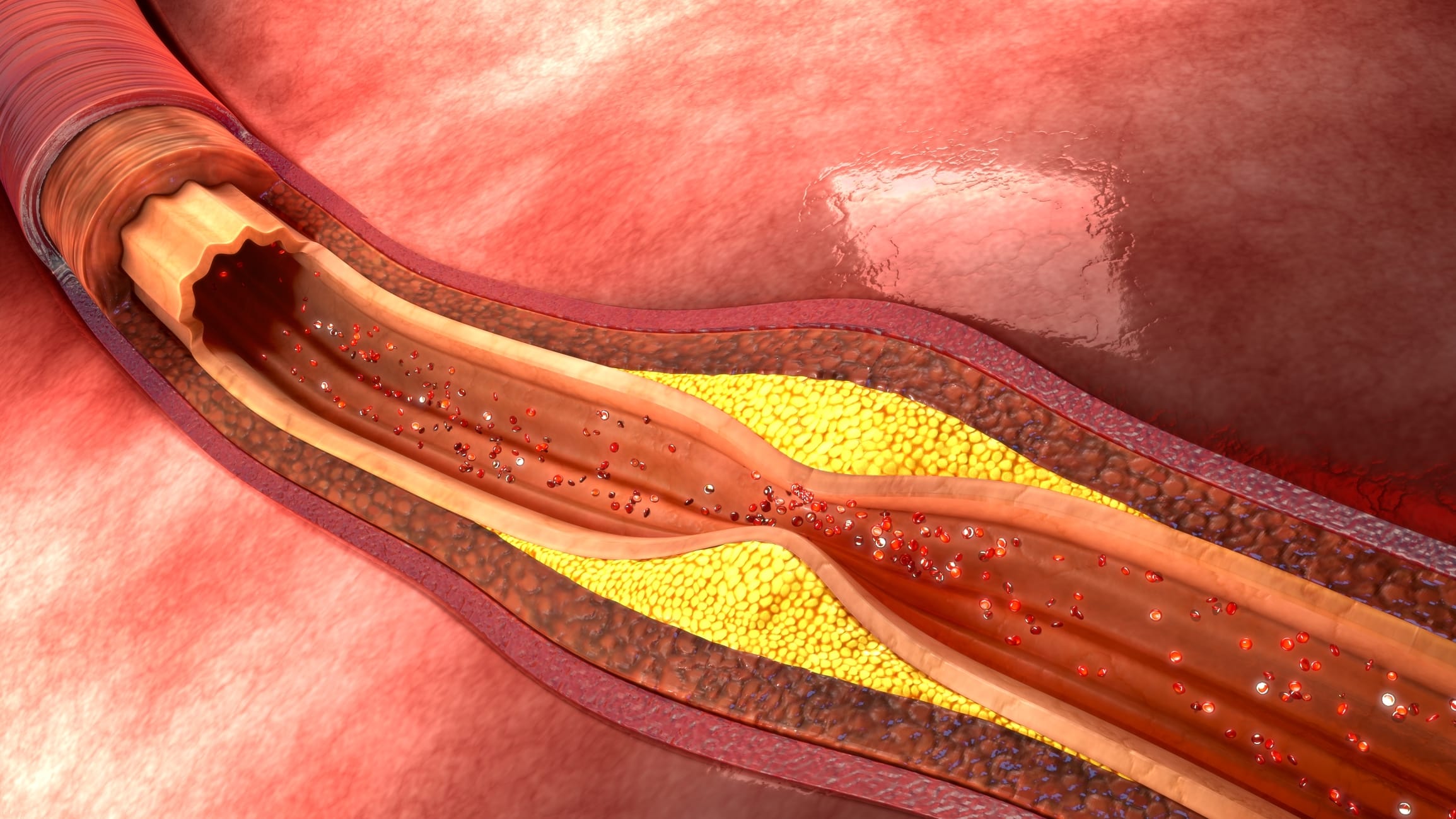
The findings indicate that patients with large, lipid-rich plaques—which are considered high-risk lesions—consistently showed significantly lower CEC values. In contrast, those with non-large lipid-rich plaques exhibited higher CEC levels. The researchers also identified an association between higher CEC values and HDL particles containing apolipoprotein E, suggesting that a reduced ability to remove cholesterol may contribute to the development of unstable plaques capable of triggering acute coronary syndromes.
Clinical Applications for Preventive Care
Predicting cardiovascular disease currently relies on standard HDL measurements, which do not always capture how effectively these particles function within the body. Because large, lipid-rich plaques are vulnerable to rupturing, early detection is essential for managing patient risk. However, identifying these lesions often requires invasive procedures like cardiac catheterization.
Expert Insight: Samantha Carter notes that while standard lipid panels provide a snapshot of cholesterol levels, they often miss the functional aspect of HDL. By focusing on the biological activity of these particles, the ILG method could shift the focus toward assessing how well a patient’s body actually manages cholesterol transport, potentially offering a more reliable biomarker for preventive care.
What May Happen Next
The research team intends for the ILG method to move from experimental validation into clinical practice to assist with earlier detection of coronary artery disease risk. A possible next step involves using this simplified testing process to monitor patients more precisely following cardiovascular events. By identifying individuals with reduced HDL function through this less invasive blood-based assessment, physicians may be better positioned to guide targeted preventive treatment strategies.

Frequently Asked Questions
What is cholesterol efflux capacity?
Cholesterol efflux capacity is a measure of the ability of HDL particles to remove excess cholesterol from cells and transport it to the liver for metabolism.
Why is the ILG method significant?
The ILG method simplifies the process of measuring CEC, which has historically been complex, making it more accessible for potential use in clinical settings to assess cardiovascular risk.
How does this study help detect heart disease?
The study found that lower CEC values correlate with high-risk, large lipid-rich plaques; identifying these lower values could allow doctors to predict risk and manage vulnerable lesions without relying solely on invasive procedures.
Could this new testing method change how your physician assesses your heart health in the coming years?