

New Cervical Cancer Screening Guidelines: What You Need to Know
Three major health organizations have recently endorsed new guidelines for cervical cancer screening. The American Cancer Society (ACS), the American College of Obstetricians and Gynecologists (ACOG), and the Health Resources and Services Administration (HRSA)—part of the Health and Human Services Department (HHS)—now provide updated recommendations for patients.
While the three sets of guidelines agree on most primary issues, some differences remain regarding when screening should begin. These updates aim to refine how providers identify and manage cervical cancer risk for patients of average risk.
The Shift Toward HPV Primary Testing
All three organizations now recommend the HPV primary test as the preferred method for patients of average risk between the ages of 30 and 65. This specific test identifies types of human papillomavirus (HPV) known to cause approximately 70% of cervical cancers.
In cases where the HPV primary test is unavailable, the groups recommend co-testing, which combines an HPV test with a Pap test (cytology). If neither option is available, providers may use a Pap test alone.
The Role of Self-Collected Samples
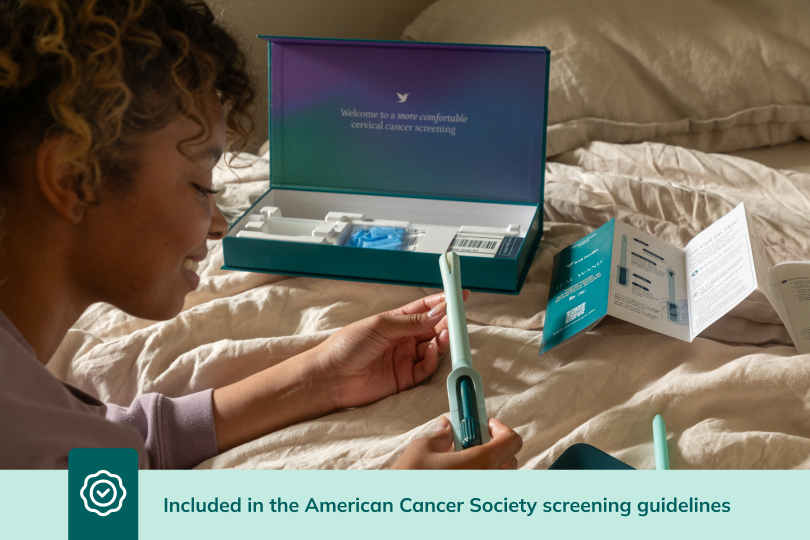
The FDA has recently approved HPV tests that allow for self-collected samples, a method all three organizations now recognize as acceptable. However, ACOG and ACS still view provider-collected samples as the preferred or standard method.
The ACS notes that self-collection is an acceptable alternative for those who find it difficult to visit a health care provider. ACOG specifies that these samples are appropriate provided We find systems for notification and follow-up care, while HRSA makes no distinction between the two collection methods.
Both ACOG and ACS emphasize that self-collection must only be performed using FDA-approved tests and devices, noting that many tests sold online lack this approval.
Screening Intervals and Completion
The frequency of follow-up screenings depends on the test used and the collection method. For those with normal results using provider-collected HPV primary testing or co-testing, screening is recommended every five years.
Conversely, those who use self-collected HPV tests (per ACS and ACOG) or those who only receive a Pap test should be screened every three years. Patients with abnormal results will likely require more frequent screening.
Most people at average risk can stop screening after age 65. ACS and ACOG specify this is applicable if the patient has a decade of normal results, such as negative HPV tests at ages 60 and 65, or three consecutive negative Pap tests with the last occurring at age 65. HRSA also supports ending screening at 65 but provides fewer specifics on past results.
Key Differences in Starting Ages
A notable disagreement exists regarding when screening should begin. ACOG and HRSA suggest starting at age 21, recommending Pap tests every three years until age 29, followed by HPV primary testing or co-testing at age 30.
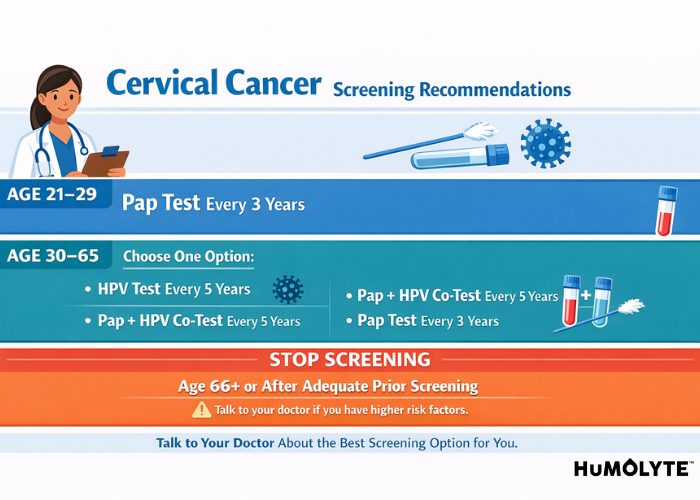
The ACS suggests a later start date of age 25. The ACS recommends that HPV primary testing be the preferred method for all age groups.
Implications for Patient Care
Because all three organizations now prefer HPV primary testing over co-testing, it is likely that more providers will offer this option to their patients.
The HRSA guidelines may also influence insurance coverage. Most private insurance companies are required to offer recommended testing and follow-up without copays, with these recommendations likely affecting policies starting in 2027.
The adoption of self-collection could expand screening locations beyond gynecologists’ offices. Patients may potentially be screened at primary care offices, urgent care clinics, mobile clinics, pharmacies, or in their own homes.
Frequently Asked Questions
At what age can most average-risk patients stop cervical cancer screening?
All three organizations agree that screening can generally end after age 65, though ACS and ACOG require a decade of normal previous results to qualify.
What is the preferred screening test for patients aged 30-65?
The HPV primary test is the preferred method recommended by the ACS, ACOG, and HRSA.
Is self-collection of HPV samples considered safe and acceptable?
Yes, all three organizations state that self-collected samples are acceptable, provided they use FDA-approved tests and devices.
Do you feel that the option for self-collected screening would make it easier for you or your loved ones to maintain regular health check-ups?