

New Copper-Based Compound Shows Promise in Treating Alzheimer’s Disease
Australian researchers at Monash University have identified a copper-based compound, Cu(ATSM), that may treat Alzheimer’s disease by repairing the brain’s waste removal system. According to a Monash University statement, the compound reduces toxic protein accumulation and improves spatial memory in laboratory experiments, potentially accelerating the path to human clinical trials.
How does the Cu(ATSM) compound treat Alzheimer’s?
The brain typically removes residual proteins using P-glycoprotein (P-gp) pumps located at the blood-brain barrier. In Alzheimer’s patients, this system deteriorates, causing beta-amyloid proteins to accumulate and impair brain function, according to a study published in the journal ACS Chemical Neuroscience.

The compound Cu(ATSM) is capable of crossing the blood-brain barrier to repair this essential waste elimination mechanism. This biometal-based therapy may combat both the loss of memory and the deterioration of cerebral blood vessels.
What were the results of the laboratory experiments?
Jae Pyun, a researcher at the Monash Institute of Pharmaceutical Sciences and a lead author of the study, reported that the treatment provided cognitive benefits and positive effects on cerebral blood vessels. The treatment reduced the level of toxic beta-amyloid by 42% over a period of 56 days.
Experimental data showed that administering Cu(ATSM) led to a 24.1% increase in P-glycoprotein levels in an Alzheimer’s model. Pyun stated that improving these pumps allows the brain to eliminate accumulated waste, which resulted in a nearly 44% improvement in spatial learning capacity.
When could this treatment reach Alzheimer’s patients?
The transition to human clinical trials for Alzheimer’s could be accelerated because Cu(ATSM) has already been evaluated in clinical studies for amyotrophic lateral sclerosis (ALS) and Parkinson’s disease, according to co-author Professor Joseph Nicolazzo.
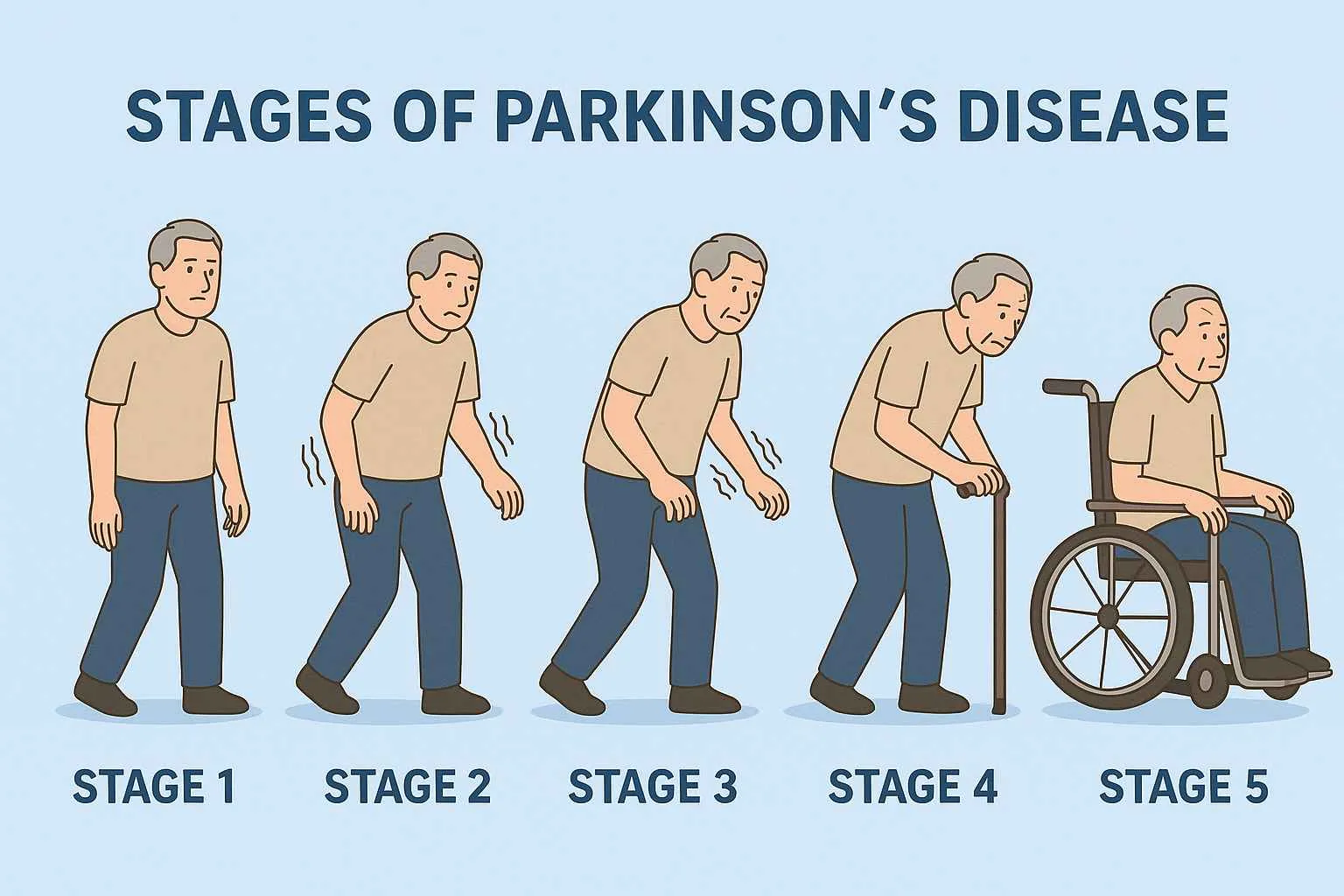
Nicolazzo described the compound as having neuroprotective and anti-inflammatory properties. This existing human data may shorten the development process required to bring the treatment to patients suffering from Alzheimer’s and other forms of dementia.
Frequently Asked Questions
What is Cu(ATSM)?
It is a copper-based compound with neuroprotective and anti-inflammatory properties that can cross the blood-brain barrier.
How does it help the brain remove toxic proteins?
It increases the levels of P-glycoprotein (P-gp) pumps, which are responsible for eliminating residual proteins from the brain.
Has this compound been tested in humans before?
Yes, it has already been evaluated in clinical trials for Parkinson’s disease and amyotrophic lateral sclerosis (ALS).
Do you believe biometal therapies could redefine how we treat neurodegenerative diseases?