
New EU Customs Fee for Small Online Orders from Non-EU Countries
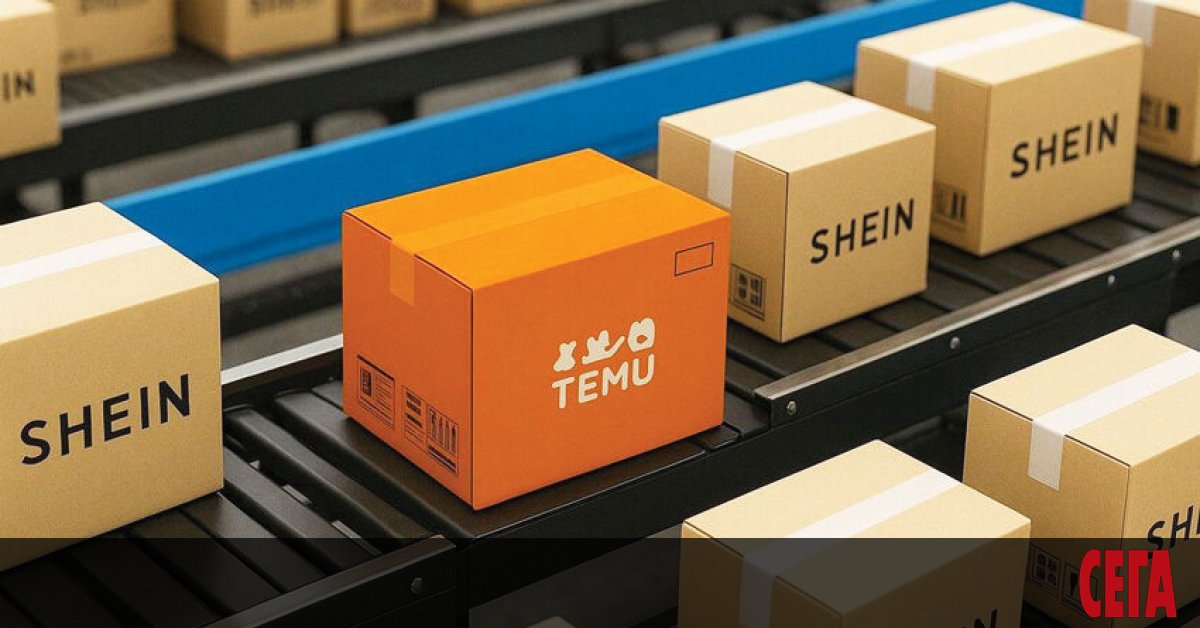
Starting July 1, the European Union is imposing a fixed €3 customs fee on small parcels valued up to €150 from non-EU countries. According to the Bulgarian Customs Agency, this measure targets platforms like Temu, Shein, and AliExpress to prevent the splitting of large orders into smaller shipments to avoid duties.
How does the new €3 fixed customs fee work?
The fee applies to every distinct type of item in a shipment based on the EU’s Combined Nomenclature (CN). It isn’t a flat fee per package, but a fee per category of goods. If a customer orders five identical cotton t-shirts, they pay €3. If that same package contains five t-shirts, three pairs of socks, and one keychain, the total duty rises to €9 because there are three different product categories.
The Bulgarian Customs Agency notes that this regulation aims to protect European producers and traders from the flood of cheap Chinese imports. By removing the incentive to break one large order into multiple small parcels, the EU intends to level the playing field for local businesses.
How are these fees collected from shoppers?
Payments are handled through the Import One Stop Shop (IOSS), the same electronic system used for VAT on non-EU imports. Platforms like AliExpress, Temu, and Shein are already registered with IOSS, meaning they calculate and collect the €3 fee at the moment of purchase.

The administrative burden falls on the platforms and the courier operators, who are responsible for declaring and transferring the funds. The buyer sees a final price at checkout that includes both VAT and the new customs duty.
Do EU-based warehouses exempt parcels from fees?
No. Many non-EU platforms operate warehouses in Germany, Poland, and Hungary to speed up delivery. However, experts warn that these goods are often held under a “customs warehousing” regime. The import process—and the associated fees—only trigger once the item leaves the warehouse to be delivered to the customer.
What happens to orders over €150?
Orders exceeding the €150 threshold aren’t affected by this specific €3 flat fee. According to the Bulgarian Customs Agency, these shipments continue to follow standard customs procedures, which involve percentage-based duty rates depending on the specific type of goods being imported.
What are the long-term trends for EU customs?
The €3 flat fee is a temporary bridge. The Bulgarian Customs Agency confirms this is a stopgap measure until the full reform of the Customs Union and the launch of the EU Customs Data Hub on July 1, 2028.
After 2028, the EU will scrap the flat fee in favor of a percentage-based rate for all goods, regardless of value. This shift aims to provide more effective oversight of the massive volume of low-value e-commerce shipments, primarily from China.
Comparison: Current vs. Future Customs Framework
| Feature | Current (Post-July 1) | Future (Post-July 2028) |
|---|---|---|
| Small Parcels (<€150) | Fixed €3 per CN category | Percentage-based rate |
| Large Parcels (>€150) | Standard percentage rates | Standard percentage rates |
| System | IOSS | EU Customs Data Hub |
Will there be additional administration fees?
Brussels is currently discussing a further €2 administration fee for every non-EU parcel to cover the costs of customs clearance. While not yet implemented, this would bring the minimum cost of importing a single item to €5 before the price of the product or VAT is even considered.

Frequently Asked Questions
Who pays the €3 fee?
The buyer pays the fee, but it’s usually collected by the online platform (like Temu or Shein) at checkout via the IOSS system.
Does the fee apply to every item in the box?
It applies to every different category of item. Five identical shirts cost €3; a shirt and a pair of shoes cost €6.
Is this only for Chinese websites?
It applies to all goods coming from countries outside the European Union, though it specifically targets the high volume of shipments from platforms like AliExpress and Shein.
Want to stay updated on EU trade laws and shopping tips?
Share your thoughts in the comments below or subscribe to our newsletter for the latest consumer alerts.