
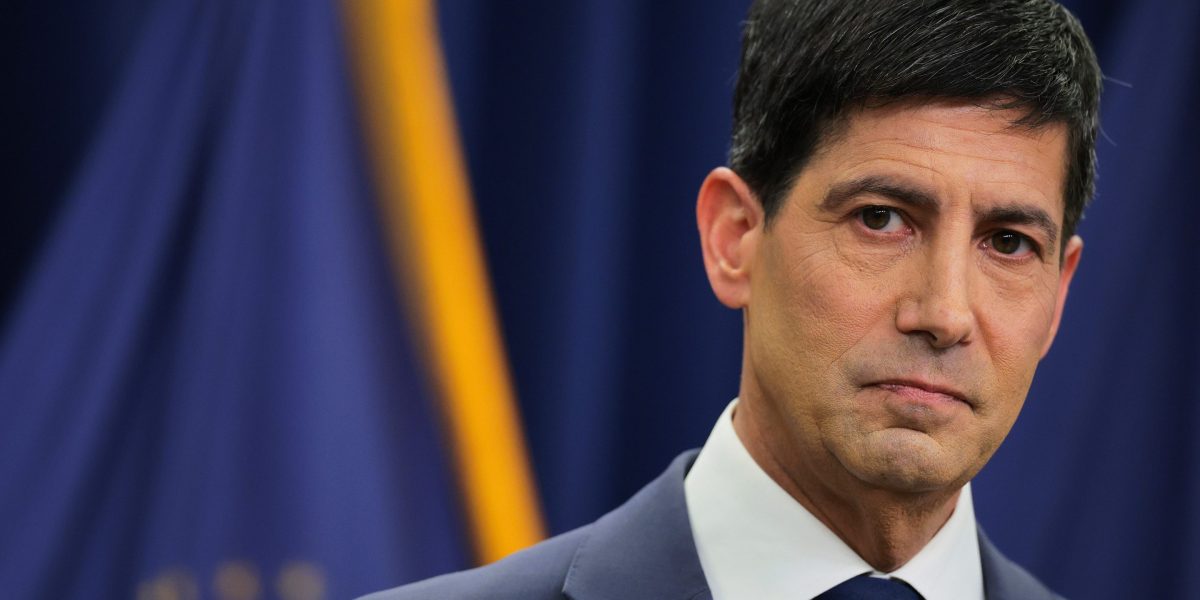
New Fed Chair Kevin Warsh Signals Hawkish Shift on Inflation
Federal Reserve Chair Kevin Warsh signaled a hawkish shift Wednesday, committing the central bank to its 2% price stability objective. According to the Fed’s policy statement and subsequent press conference, Warsh described inflation running above this target for five years as “unacceptable,” a move that contributed to a 507-point drop in the Dow.
Why did the markets react negatively to Warsh’s first press conference?
Markets declined after the Fed stripped an easing bias from its policy statement. While the benchmark rate remained at 3.5% to 3.75%, nine of 18 officials now project at least one rate hike this year.
The Dow fell 507 points after hitting a record intraday high, and the S&P 500 lost 1.2%. The Nasdaq dropped 1.3%, with tech bellwethers and communication services seeing the steepest declines.
Two-year Treasury yields jumped approximately 16 basis points to 4.21%. This shift moved the probability of an October hike to slightly better than a coin flip, according to money market data.
How does Warsh’s current stance differ from his previous views?
Warsh’s recent rhetoric contrasts with positions he held last November. In a Wall Street Journal piece, he previously argued that the Fed should not fear economic booms and suggested inflation was caused by government spending and printing rather than economic growth.
:max_bytes(150000):strip_icc():focal(999x0:1001x2)/kevin-warsh-012026-32956b459d2e4b118704c5aaa14d41b8.jpg "How does Warsh's current stance differ from his previous views?")
During Wednesday’s conference, however, Warsh described the commitment to a 2% inflation target as “strong, unanimous, and unambiguous.” He called the failure to meet this target an “important message we’ve missed for five years.”
Jon Hilsenrath, a former Wall Street Journal reporter, stated that this focus on price stability indicated that “hawkish Kevin” was now in control. This follows a politically divided confirmation where Sen. Elizabeth Warren accused Warsh of being President Trump’s “sock puppet.”
What structural changes did the new Fed Chair implement?
Warsh announced five task forces to reexamine the Fed’s inflation framework, balance sheet, data sources, communications, and the labor-market effects of AI. These panels are due to report by the end of the year.
The new chair also scrapped “forward guidance,” stating, “I can’t give you any guidance on what we’re going to do next.” He argued that markets function better when participants read data rather than guessing Fed intentions.
Additionally, Warsh declined to submit his own “dot” to the Fed’s rate-projection plot, though he encouraged other officials to maintain theirs. When asked about communications with President Trump, Warsh demurred, stating he had nothing for reporters regarding the president.
What happens next for the Federal Reserve?
The Fed’s next major decision will occur in July, where the committee must decide if current data warrants a rate change. Warsh has indicated that inflation is a “choice,” suggesting future decisions may lean toward tightening to secure the 2% target.
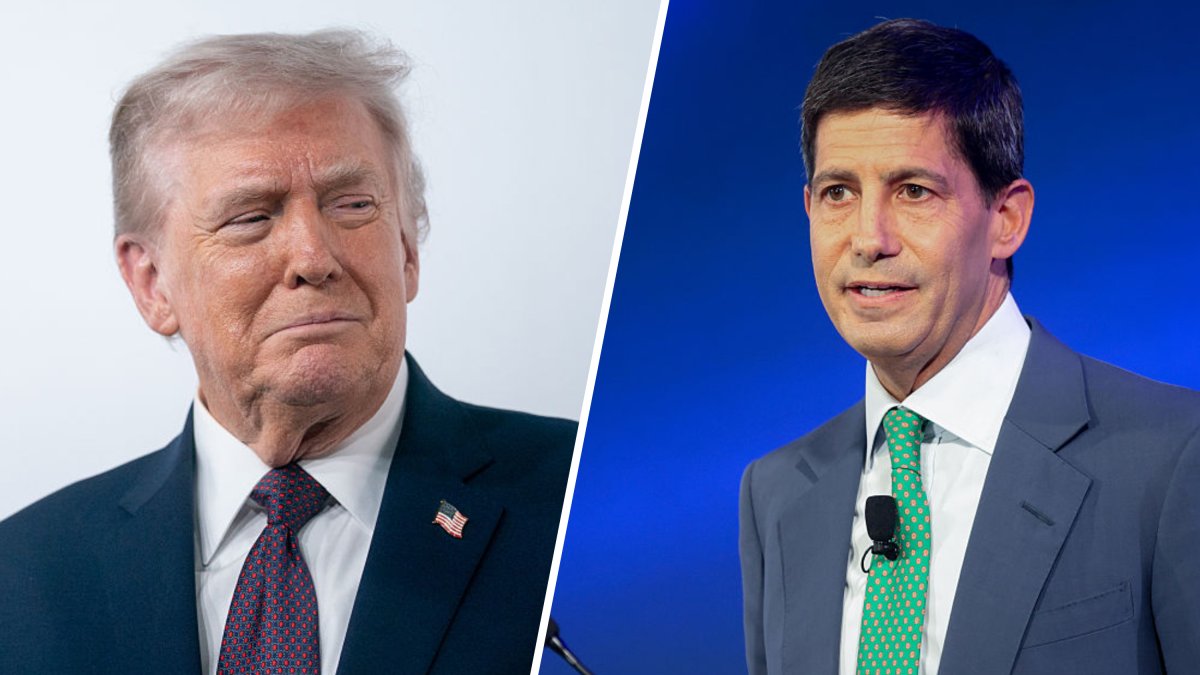
The outcome of the five new task forces could potentially alter how the Fed communicates with the public and manages its balance sheet by year-end. According to Jon Hilsenrath, these panels could also serve as a way for Warsh to buy time before answering difficult policy questions.
If inflation remains above the target, the market may see the October hike—currently viewed as a coin flip—become more likely.
Frequently Asked Questions
What is the current Federal Reserve benchmark rate?
The benchmark rate is currently held at 3.5% to 3.75%.
What are the five task forces established by Kevin Warsh?
The task forces are examining the Fed’s communications, balance sheet, data sources, inflation framework, and the effects of AI on the labor market.
How did Kevin Warsh explain the cause of rising prices in the policy statement?
In the statement, Warsh squarely blamed rising prices on the conflict in the Middle East.
Do you believe the Federal Reserve should prioritize a strict 2% inflation target even if it slows economic growth?