

New initiative lets Jews around the world support Israel’s North under attack
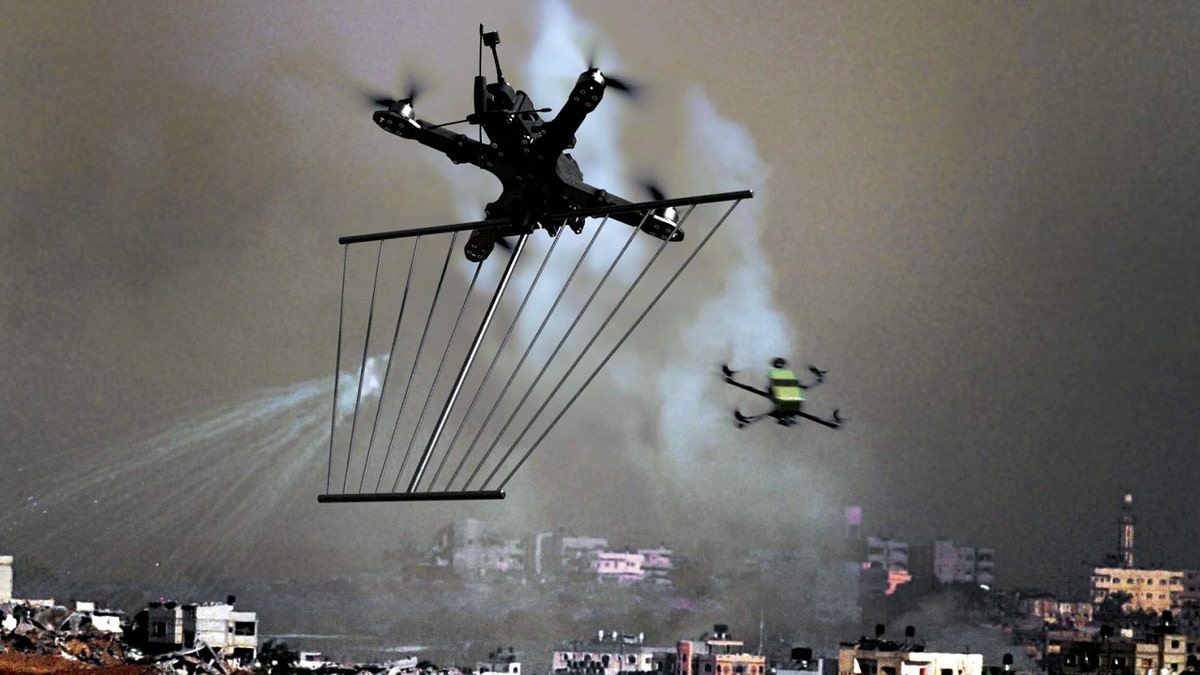
Israel’s security establishment has confirmed a marked escalation in aerial threats following what officials characterize as the most powerful drone attack ever launched by Hezbollah against northern Israel. The operation involved multiple drones that successfully penetrated Israeli territory, triggering widespread fires and resulting in injuries to both soldiers and civilians.
Beyond the immediate physical damage, the presence of drones hovering above northern towns and strategic sites has intensified a climate of fear among local residents. For thousands of families, the ongoing conflict has transformed daily life into a state of chronic tension, marked by constant sirens and the disruption of basic routines.
The Humanitarian and Economic Toll
The security situation has precipitated a severe economic crisis for families in the north. Many residents are unable to maintain regular employment, leading to difficulties in purchasing basic necessities and meeting daily expenses.

In response to this instability, various organizations have mobilized to provide direct support. Food aid groups are delivering meals and medication to families in distress, while the Paamonim organization is providing guidance and practical tools to help households navigate financial collapse. These efforts are currently serving as a vital buffer for families struggling to stay afloat amid the uncertainty.
The Daily Giving Israel Emergency Fund was established with the support of prominent religious leaders, including Rabbi Hershel Schachter, Rabbi Moshe Tuvia Lieff, Rabbi Paysach Krohn, and Rabbi Shmuel Greenberg, to facilitate global support for Israeli civilians.
Strategic Implications and Future Scenarios
The reliance on such a high volume of drones marks a shift in the tactical landscape of the northern border. As the security establishment continues to assess the fallout of this breach, We see likely that the Israeli military will re-evaluate its defensive posture regarding low-altitude aerial threats. Analysts expect that if these drone penetrations continue, the pressure on border communities will likely necessitate an even greater expansion of civilian aid and trauma support services.
The current situation highlights a shift in modern warfare where the psychological impact of persistent, low-cost drone threats can be as debilitating as kinetic damage. The necessity for integrated support—combining medical response from groups like Magen David Adom and United Hatzalah with long-term financial and emotional resilience efforts—suggests that the conflict’s reach is extending far beyond the immediate front lines into the heart of civilian stability.
Support and Resilience
In addition to financial and medical aid, organizations such as Brothers for Life are working around the clock to assist soldiers, wounded veterans, and reservists. By providing emotional support and emergency equipment, these groups aim to address the trauma and displacement caused by the ongoing hostilities.
Frequently Asked Questions
What is the primary objective of the Daily Giving Israel Emergency Fund?
The fund aims to enable Jews around the world to take a direct role in supporting Israeli civilians in the north during the current wartime conditions.
How is the Paamonim organization assisting residents?
Paamonim is working on the ground to provide financial guidance, support, and practical tools to help families maintain stability and avoid financial collapse during the war.
Which organizations are providing medical treatment during the attacks?
Frontline organizations including Magen David Adom and United Hatzalah are operating under fire to save lives and provide immediate medical treatment to those affected.
How do you believe community-led aid initiatives change the long-term outlook for families living in conflict zones?