
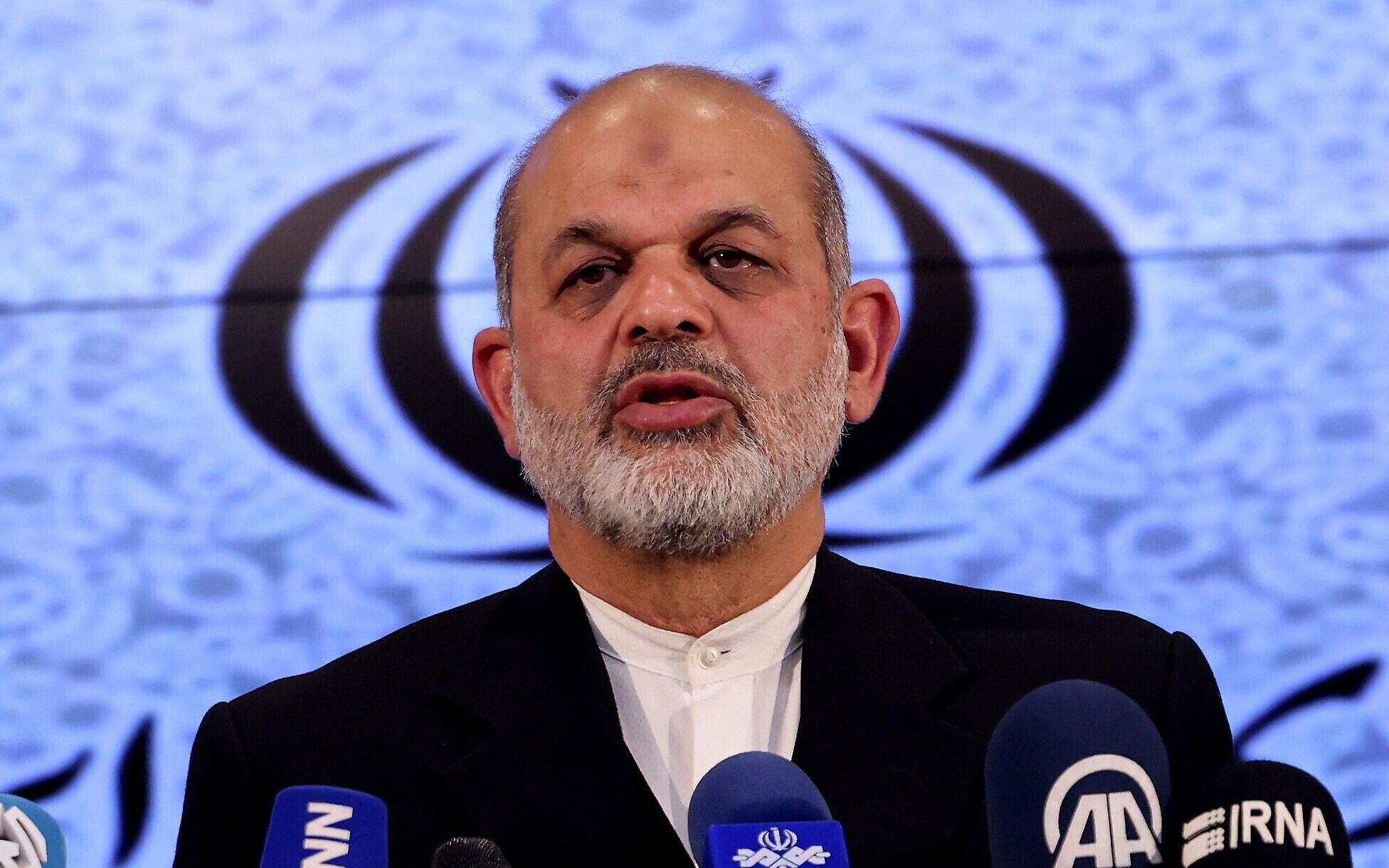
New IRGC chief ‘frequently overruled’ Iran’s leaders during talks with US — report
Ahmad Vahidi and the Shift in Iranian Strategic Policy
Ahmad Vahidi, commander in chief of the Islamic Revolutionary Guard Corps (IRGC), has emerged as the primary architect behind Iran’s hardline stance in negotiations with the United States. According to a profile in The Wall Street Journal, Vahidi has successfully advocated against concessions to Washington, frequently overruling Iranian President Masoud Pezeshkian and Foreign Minister Abbas Araghchi to prioritize military deterrence and regional influence over economic relief.
Why is the IRGC driving Iran’s negotiation strategy?
The IRGC maintains that Iran holds a position of strength and does not need to offer concessions to the U.S. to secure a deal. According to The Wall Street Journal, Vahidi and the IRGC have acted as the primary obstacle to a diplomatic agreement, arguing that the country must focus on reestablishing military deterrence following recent conflict. While Iran’s political leadership, including President Pezeshkian, has pushed for a swift agreement to stabilize the country’s crippled economy and reopen shipping lanes, Vahidi’s influence has consistently prevailed in internal policy disputes.
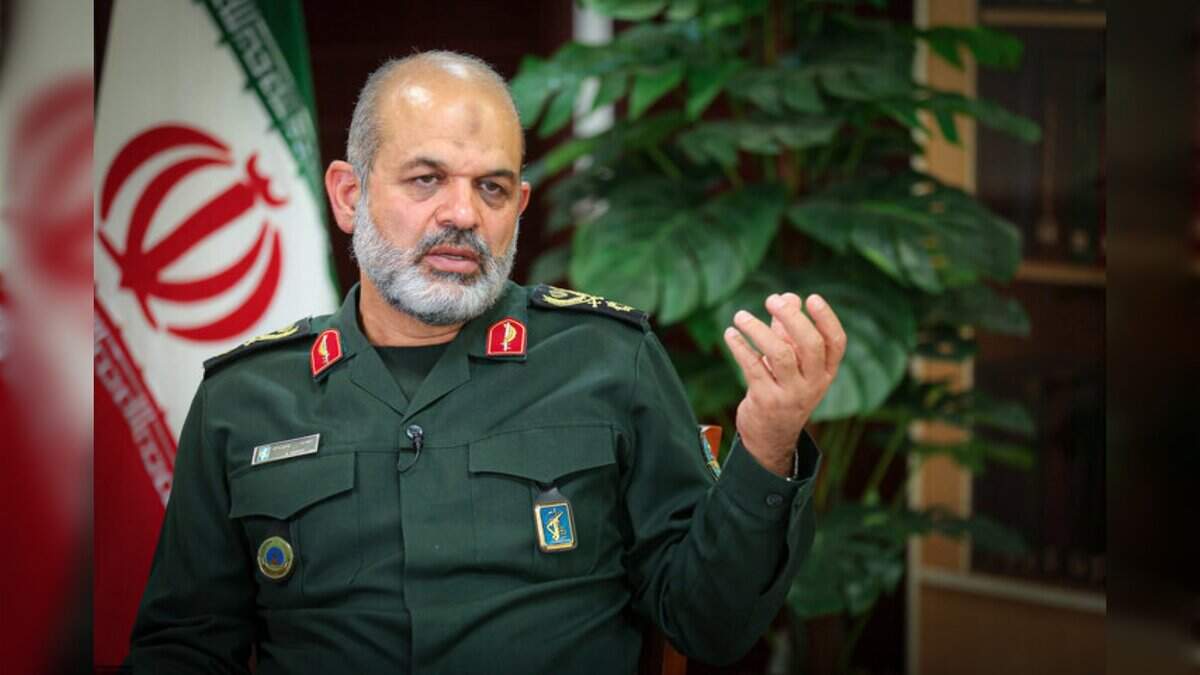
How did Vahidi influence the recent ballistic missile barrage?
Vahidi reportedly pushed for the launch of a ballistic missile barrage against Israel, despite hesitation from moderate voices in Tehran who feared the move would derail ongoing talks with Washington. The Wall Street Journal reports that these officials believed direct attacks on Israel would jeopardize the U.S. negotiating track. Vahidi’s strategy ultimately dictated the operation, which involved 24 missiles launched between last Sunday night and Monday morning. Despite these hostilities, the U.S. and Iran returned to the negotiating table shortly after, with both sides reportedly moving toward a memorandum of understanding.
Pro Tip: Tracking Regional Escalation
Analysts often monitor the divide between Iran’s public-facing political figures and the IRGC leadership to gauge the likelihood of imminent military action. When the IRGC overrides the Foreign Ministry, it typically signals a shift toward hardline, deterrence-based policies.
What is Vahidi’s background in intelligence and military operations?
Vahidi lacks a traditional background as a wartime commander, instead rising through the ranks via intelligence roles. He served as Iran’s defense minister and interior minister during the 2010s. His career includes significant involvement in the development of Hezbollah as a military force in Lebanon during the 1990s. Currently, Vahidi is wanted by Interpol for his alleged role in the 1994 bombing of a Jewish community center in Argentina. Additionally, he faces U.S. sanctions related to the 2022 crackdown on women’s rights protests in Iran.

Frequently Asked Questions
- Who is Ahmad Vahidi? Vahidi is the commander in chief of the IRGC and a former defense and interior minister, known for his hardline influence on Iranian foreign policy.
- How does Vahidi’s influence affect U.S.-Iran talks? According to reporting by The Wall Street Journal, Vahidi serves as the primary opponent to U.S.-Iran deals, pushing for a policy of non-concession and military strength.
- What role does the IRGC play in the Strait of Hormuz? The IRGC controls Iran’s military presence in the strait, often resisting political efforts to reopen shipping lanes if they conflict with their strategic objectives.
Stay informed on regional security developments by subscribing to our newsletter for the latest updates on Middle Eastern diplomacy and defense.