
New Middle East Alliances: Reshaping Regional Trade and Energy Security
Gulf nations are actively establishing new cross-border trade infrastructures and diplomatic alliances to mitigate regional instability following recent hostilities in the Strait of Hormuz. According to the International Monetary Fund (IMF), these regional realignments and trade partnerships serve as a buffer against economic disruption, with the organization estimating that the Gulf conflict may reduce global growth rates from 3.4% to 3.1% if the ceasefire holds.
The 1648 Peace of Westphalia, which ended decades of war among Dutch, German, and Spanish rulers, is being cited by analysts as a historical model for the current Middle Eastern effort to establish norms around national sovereignty and balance of power.
Infrastructure and Economic Realignment
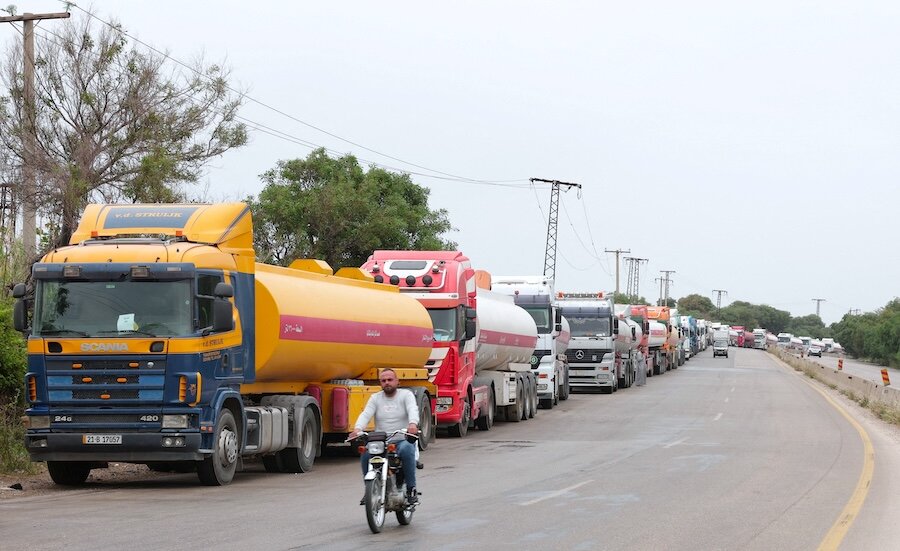
Gulf states are moving to replace long-standing political and sectarian tensions with concrete economic cooperation. Iraq is currently exporting oil via tanker trucks to Syrian ports, while various Gulf states are importing agricultural goods, timber, and cement through those same routes. These logistical shifts are supported by collaborative efforts to develop storage facilities, new pipelines, and a multicountry rail project, according to reporting from the Monitor.
Shifting Diplomatic Architectures
The region is moving toward what Chatham House describes as a “unified, proactive Gulf architecture” designed to reduce vulnerability to external decisions. This shift involves nations including Turkey, Saudi Arabia, Qatar, Jordan, and Syria. The online platform War on the Rocks notes that these alignments represent the region’s attempt to find its own “center of gravity” by fostering internal alliances to prevent future conflict.
Samantha Carter notes that the transition from a climate-focused energy policy to one centered on “strategic sovereignty” marks a profound shift in regional priorities. By treating energy security as an essential component of statecraft, these nations are attempting to build a self-sustaining system that remains resilient even amidst uncertain global market conditions.
Energy Security and Future Outlook
The conflict has accelerated a reevaluation of energy transition goals, with the World Economic Forum noting that energy policy is now viewed as a matter of strategic sovereignty rather than solely a climate imperative. Analysts suggest that if these regional interconnectedness efforts continue, they could provide both economic and peace dividends. While the global landscape may become more multipolar, the IMF emphasizes that the current climate of cooperation mirrors the principles of integration that were used to build financial stability in the aftermath of past wars.
Frequently Asked Questions
How are Gulf nations changing their approach to trade?
Gulf states are pivoting toward new overland and maritime routes, such as Iraq’s oil exports to Syria, while collaborating on shared infrastructure like pipelines and rail projects to bypass previous limitations.
What is the projected impact on global growth?
The IMF estimates that if the current ceasefire holds, the war in the Gulf will cause a minor dip in global growth, adjusting the expected rate from 3.4% to 3.1%.
Why is the 1648 Peace of Westphalia relevant?
Analysts point to this historical event as a framework for the current Middle Eastern effort to prioritize national sovereignty and interstate alliances, helping the region establish its own center of gravity to avoid future conflict.
Do you believe these regional economic partnerships will be enough to ensure long-term stability in the Gulf?