
New Oral Drug Daraxonrasib Doubles Survival in Metastatic Pancreatic Cancer
A significant breakthrough in oncology has emerged as a new oral medication, daraxonrasib, shows promise in transforming second-line treatment for metastatic pancreatic cancer. Recent findings from an international phase 3 clinical trial, published in The New England Journal of Medicine, indicate that this experimental therapy could offer a more effective path for patients facing this aggressive disease.
The study involved 500 patients across 59 hospitals in six countries. Participants were divided into two groups to compare the efficacy of daraxonrasib against various types of standard chemotherapy. The results demonstrated that those treated with the new oral drug achieved a median overall survival rate nearly double that of patients who received conventional chemotherapy. The drug also doubled the time to disease progression compared to standard treatments.
Targeting a Molecular “Switch”
Metastatic pancreatic ductal adenocarcinoma remains one of the most lethal forms of cancer, frequently diagnosed in advanced stages after spreading to organs such as the liver, lungs, or peritoneum. A major challenge in treating this disease is that over 90% of cases involve an alteration in the RAS pathway, a molecular route that acts as an “interruptor” for tumor cell growth.
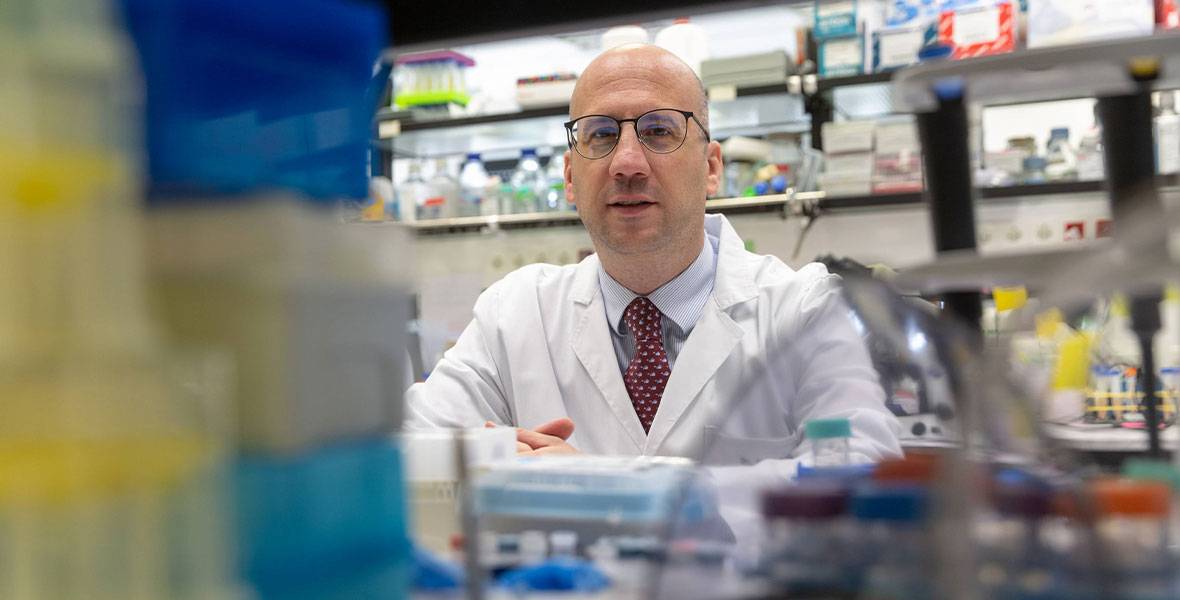
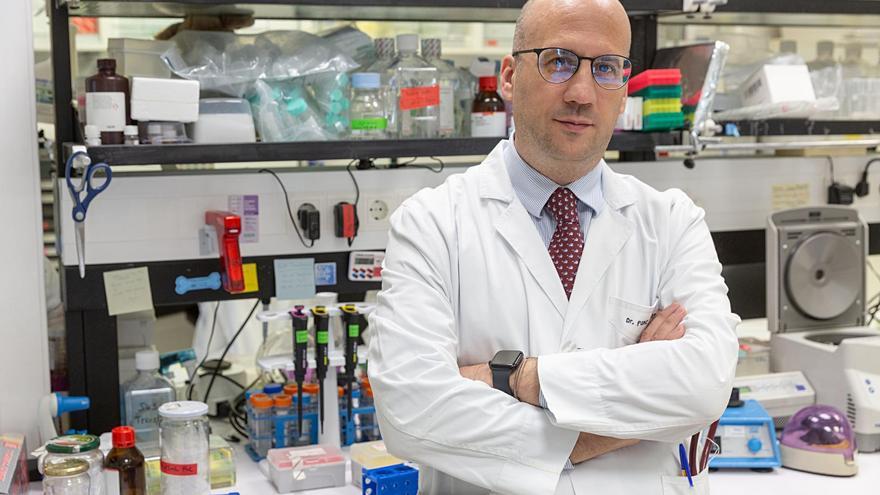
Dr. Mariano Ponz, an oncologist at the Cancer Center Clínica Universidad de Navarra (CCUN), explains that daraxonrasib functions differently than traditional chemotherapy. By acting as a therapy directed against the RAS pathway, the drug effectively blocks it in its active form. This mechanism halts the signal driving tumor growth, which may lead to improved survival rates and a better quality of life for patients. Dr. Ponz notes that these findings could represent the beginning of a new, more manageable path for researchers and clinicians alike.
Did You Know? More than 90% of metastatic pancreatic ductal adenocarcinoma cases feature an alteration in the RAS pathway, which functions as a critical switch for tumor growth.
Expert Insight: The transition from standard cytotoxic chemotherapy to targeted molecular therapies like daraxonrasib marks a potential paradigm shift in oncology. By addressing the specific genetic drivers of pancreatic cancer rather than relying solely on broad-spectrum treatments, this approach may allow for more precise intervention in previously difficult-to-treat metastatic cases.
Future Implications
Because current options for patients who have already undergone initial treatment have historically provided limited benefits, these results are considered a major advancement. Looking ahead, the success of this trial could lead to a change in the clinical approach to pancreatic cancer. As researchers continue to evaluate the long-term impact of inhibiting the RAS pathway, the medical community may see a shift in how second-line treatments are prioritized for those with RAS G12 mutations.
Frequently Asked Questions
What is the primary benefit of daraxonrasib compared to standard chemotherapy?
The study found that patients treated with daraxonrasib achieved a median overall survival rate nearly double that of those who received standard chemotherapy, while also doubling the time to disease progression.
How does daraxonrasib work?
Unlike traditional chemotherapy, daraxonrasib is a targeted therapy that blocks the RAS pathway in its active form, effectively stopping the signal that drives the growth of pancreatic tumor cells.
Who is most likely to benefit from this treatment?
The medication has shown particular effectiveness in patients with mutations of the RAS G12 gene, which are present in the majority of individuals suffering from this type of pancreatic tumor.
How might the integration of targeted therapies like this change the standard of care for patients diagnosed with advanced cancer?