

New Orleans Facing Submergence: Scientists Suggest Mass Relocation
New Orleans is facing a critical tipping point as rising sea levels threaten to surround the metropolitan area by the end of the century. Scientists are now proposing the extreme solution of relocating the population to mitigate future existential risks.
The city, home to 360,000 people, is uniquely vulnerable due to its location in a bowl-shaped basin. Much of the land already sits below sea level, situated within a rapidly shrinking delta.
Environmental Degradation and Projections
Natural storm buffers have been severely compromised over the last century. Since the 1930s, Louisiana has lost approximately 2,000 square miles of wetlands, largely because the land was drained for industrial and urban development.
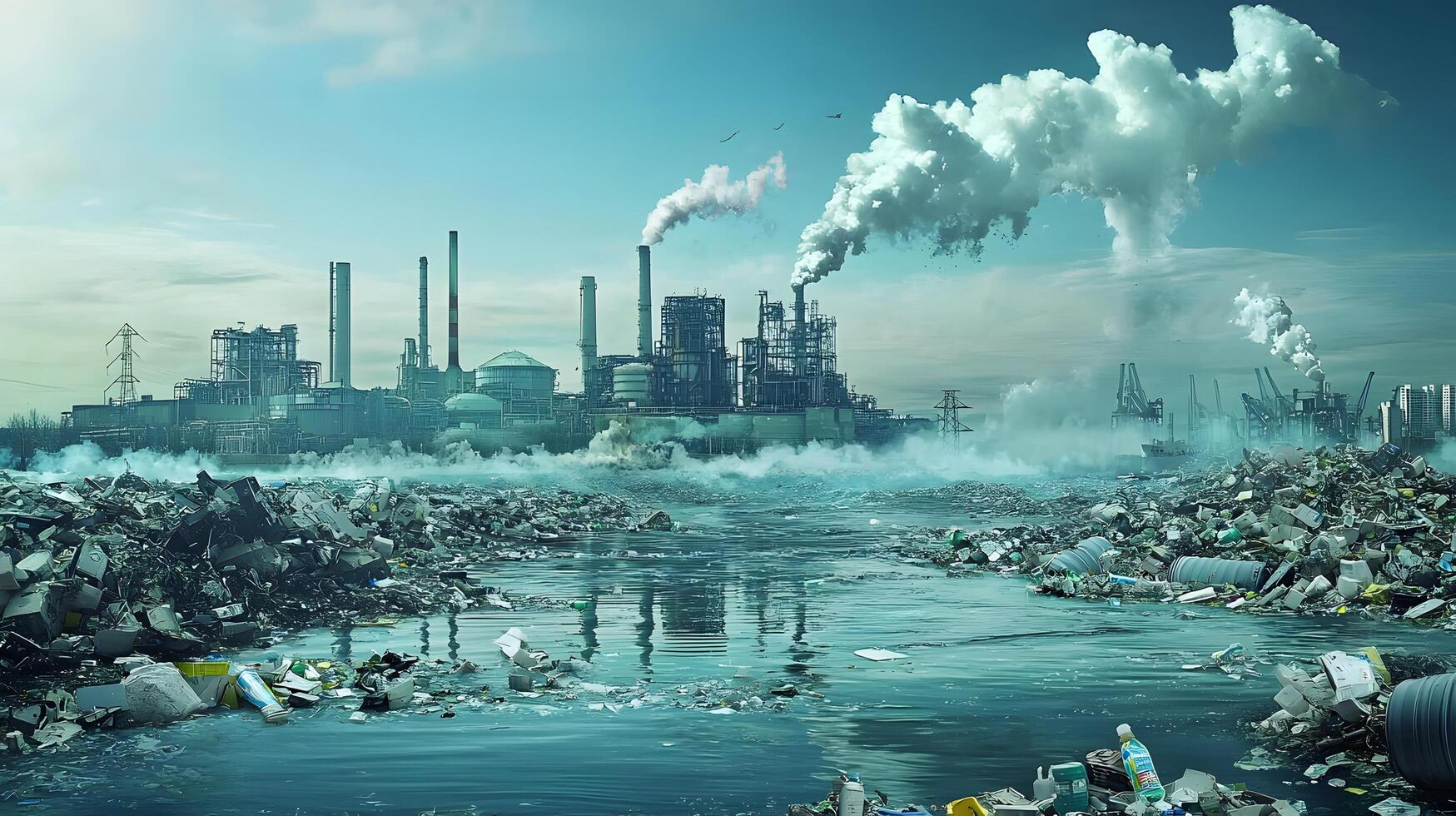
According to analysis in the journal Nature Sustainability, the Louisiana coast faces a potential sea-level rise of 3 to 7 metres. Such a shift could cause 75% of the remaining wetlands to vanish and the coastline to retreat inland by as much as 100 kilometers.
The Economic and Human Cost of Resilience
The financial stakes are high for residents currently attempting to fortify their properties. Brianna Castro, an assistant professor at Yale School of the Environment, suggests that money spent on flood-proofing homes may reduce the savings available for future relocation.
This financial tension is compounded by the fact that 99% of the population is at high risk of flooding. Wanyun Shao of the University of Alabama warns that a storm of Hurricane Katrina’s magnitude could cause flood damage for nearly every resident.
Historical Precedents and Cultural Risks
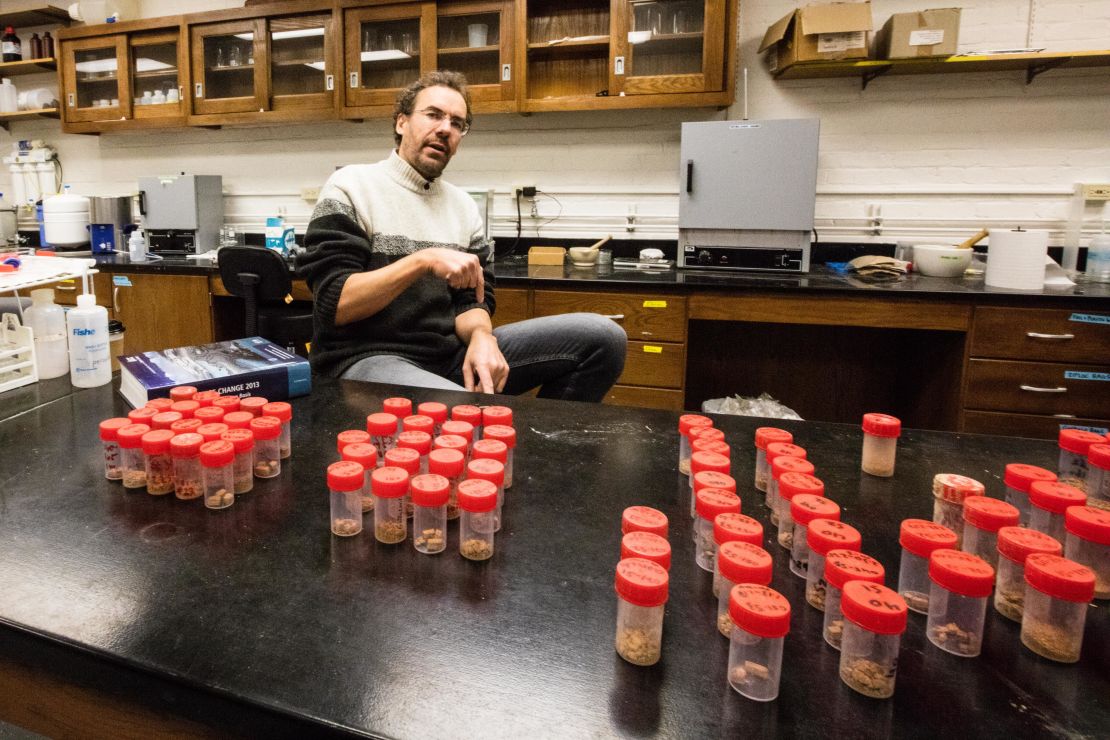
To predict the future, researchers are looking at the past. Torbjorn Tornqvist, a geology professor at Tulane University, points to an ancient coastline north of the city from 125,000 years ago when sea levels were at least 3 metres higher during a period of similar global temperatures.
However, relocation is not viewed as a simple logistical move. Beverly Wright, founder of the Deep South centre for Environmental Justice, warns that dispersing the population could destroy the unique culture and neighborhood bonds that have developed over generations.
Potential Future Scenarios
If current trends continue, New Orleans could potentially be surrounded by the Gulf of Mexico before the end of the century. This may force the city to serve as a global model for relocation for other threatened coastal hubs, such as New York or Bangkok.
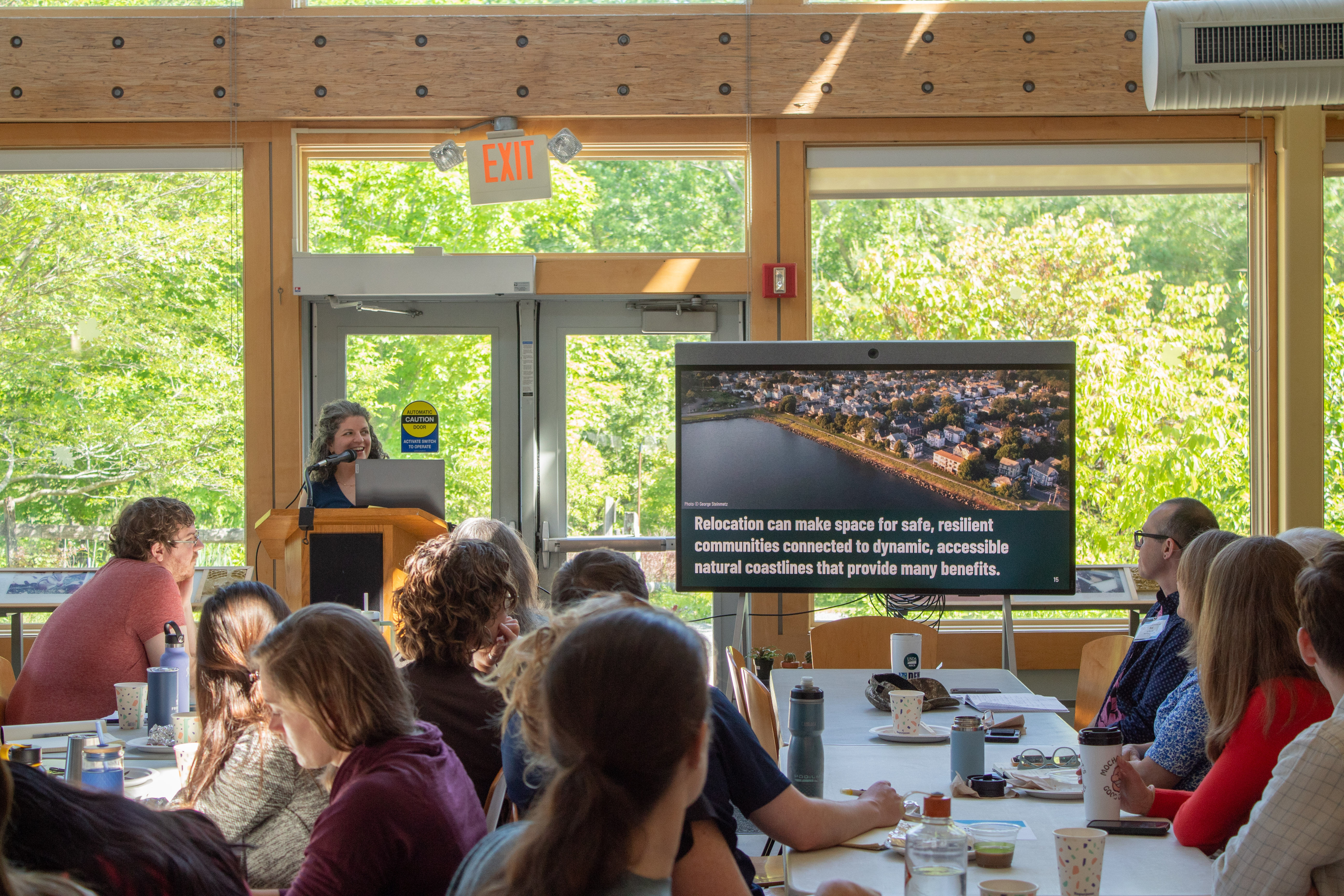
The city may face a choice between continued expensive renovations of existing infrastructure or the initiation of a large-scale managed retreat to save the population from inevitable flooding.
Frequently Asked Questions
Why is New Orleans particularly vulnerable to sea-level rise? The city is located in a bowl-shaped basin with most of its territory below sea level, and it is surrounded by wetlands that have been shrinking since the 1930s due to human development. What are the projected sea-level increases for the Louisiana coast? Analysis from Nature Sustainability indicates that the region faces a potential sea-level rise of between 3 and 7 metres. What percentage of the population is at risk? Approximately 99% of the population of New Orleans is considered to be at high risk of flooding. Do you believe the preservation of cultural heritage outweighs the financial and physical risks of remaining in a sinking city?