
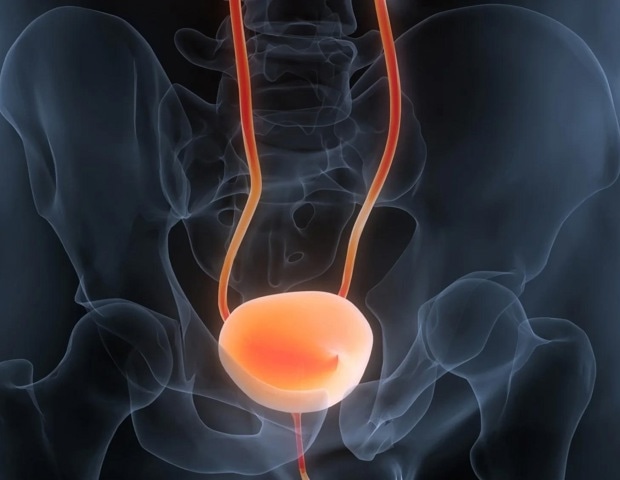
New peptide triggers domino effect to suppress bladder cancer
Researchers have uncovered a novel mechanism that could fundamentally change how we approach the treatment of bladder cancer. A team led by Professors Dahong Zhang and Qi Zhang at Zhejiang Provincial People’s Hospital has identified a peptide, R11, capable of triggering a “cytoskeletal domino effect” within cancer cells, effectively neutralizing their ability to spread.
By targeting the internal structural components of bladder cancer cells, this discovery offers a new strategy for managing metastasis—the process by which cancer cells migrate to other parts of the body. The findings, published in the journal Research, outline a path toward more precise, localized therapies that could minimize the systemic side effects often associated with traditional cancer treatments.
The Cytoskeletal Domino Effect
At the heart of this research is the interaction between the polyarginine peptide R11 and actin, a protein vital for cellular structure and movement. R11 acts as a molecular disruptor, binding to actin and preventing it from forming the stable networks necessary for cancer cells to migrate.

This disruption triggers a cascade failure. Once the actin network is compromised, the connection between actin and other structural proteins, such as plectin, vimentin, and ITGβ4, breaks down. The researchers describe this as a “cytoskeletal domino effect,” where the loss of mechanical connectivity leaves the cancer cell unable to maintain the polarity required to move or colonize distant tissues.
Engineering a Targeted Response
The research team successfully demonstrated that this process could be amplified using nanotechnology. By attaching R11 to PEG-modified gold nanoparticles, they created a multivalent assembly that significantly increases the peptide’s effectiveness at the cellular level.

This approach is particularly promising for bladder cancer because it aligns with localized delivery methods. By utilizing bladder instillation—delivering medication directly into the bladder—or aerosol inhalation for lung-based metastases, clinicians could potentially achieve high concentrations of the therapeutic agent exactly where it is needed most, while sparing the rest of the body from systemic exposure.
Future Clinical Directions
While these laboratory findings are significant, the transition to clinical application will likely involve several key stages. Future efforts may focus on optimizing nanoparticle formulations—such as using biodegradable carriers—to improve safety and retention within the body.
Researchers also suggest that R11 could be integrated into broader treatment regimens. Because it specifically targets the mechanisms of cell migration and adhesion, it could potentially be paired with chemotherapy, radiotherapy, or immune checkpoint inhibitors to create a synergistic attack on both primary tumors and their metastases. Before reaching the clinic, however, comprehensive evaluations of immune compatibility and long-term tissue safety will be essential.
Frequently Asked Questions
How does R11 stop cancer cells from spreading?
R11 binds to actin within the tumor cell, disrupting the G-actin tetramers. This causes a collapse of the cytoskeletal structure, which prevents the cell from migrating and forming metastases.

Why are nanoparticles used in this research?
The researchers found that using a multivalent approach—attaching R11 to gold nanoparticles—amplifies the therapeutic effect. This engineering strategy converts molecular-level interactions into more powerful cellular-level structural changes.
What are the preferred methods for delivering this treatment?
Due to the localized nature of bladder cancer and the specific properties of R11, the study suggests that bladder instillation and aerosol inhalation are the most promising delivery routes to maximize local concentration and minimize systemic toxicity.
How might the ability to “lock” cancer cells in place change the way we approach the long-term management of metastatic disease?