
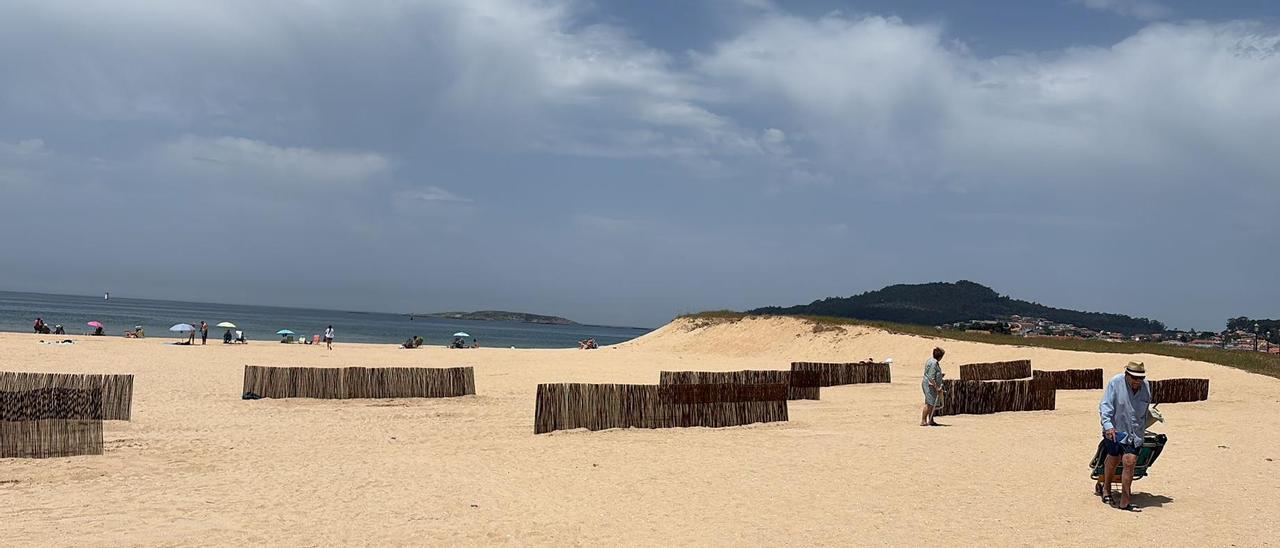
New Sand Barriers Installed to Protect Praia América and Panxón Dunes
Coastal Resilience: The New Era of Nature-Based defence
As climate change accelerates, coastal communities worldwide are facing an existential crisis: how to protect their shorelines from increasingly aggressive storms and rising tides. The traditional approach of building massive concrete sea walls is falling out of favour, replaced by a sophisticated, eco-friendly strategy known as nature-based coastal engineering.
A prime example of this shift is currently unfolding at Praia América in Spain. Following severe winter storms that decimated the local dune system, authorities have pivoted from simple repairs to a strategic, long-term restoration plan. By installing passive sand collectors—permeable barriers made of natural materials like reeds or wicker—officials are working with the environment rather than fighting it.
How Passive Sand Collectors Work
These barriers serve a dual purpose. First, they act as windbreaks, significantly reducing wind speed near the ground. This physical slowing forces the air to drop the sand it is carrying, effectively “trapping” the sediment and building up the dunes naturally over time.
Beyond the hardware, the project involves a significant geographical intervention: realigning the mouth of the local Muíños River. By moving the river’s path to flow perpendicularly into the sea, engineers have eliminated a meandering channel that was previously accelerating erosion. This scientific approach, backed by decades of historical satellite imagery, proves that coastal management is becoming as much about hydrology as it is about construction.
The Challenge of Balancing Tourism and Conservation
The success of these environmental projects often hinges on human behavior. As seen in Nigrán, the installation of these protective barriers requires a corresponding increase in security and public awareness, particularly during high-traffic events like the San Xoán festivities.
Municipalities are now adopting a “fortress” approach to fragile ecosystems, expanding fenced-off zones to prevent foot traffic from destroying the very dunes they are trying to recover. This highlights a growing trend: managed coastal access. Future beach infrastructure will likely feature elevated walkways and strictly defined entry points to ensure that tourism can coexist with environmental recovery.
Future Trends in Shoreline Protection
- Dynamic Sand Nourishment: Instead of static structures, look for “sand engines”—large-scale, strategic deposits of sand that use natural wave and current patterns to distribute sediment along the coast.
- Smart Monitoring: The use of drone surveillance and real-time sensor networks allows authorities to monitor dune health and erosion rates with unprecedented precision.
- Community-Led Stewardship: programmes that educate beachgoers on the importance of dune systems are proving more effective at long-term conservation than physical barriers alone.
Frequently Asked Questions (FAQ)
Q: What are passive sand collectors?
A: They are permeable, eco-friendly structures (often made of wood or reeds) designed to trap wind-blown sand, helping to rebuild and stabilize dunes naturally.

Q: Why is moving a river mouth important for beach protection?
A: Meandering river mouths can create strong currents that pull sand away from the beach, causing chronic erosion. Redirecting them perpendicularly to the sea helps keep sediment on the shore.
Q: Can tourism and dune protection coexist?
A: Yes, through managed access, such as elevated boardwalks and restricted zones, which allow humans to enjoy the beach without damaging the fragile vegetation that holds the dunes together.
What are your thoughts on how we should manage our changing coastlines? Do you prefer natural restoration or hard infrastructure? Let us know in the comments below, or subscribe to our weekly newsletter for more insights on environmental sustainability.