

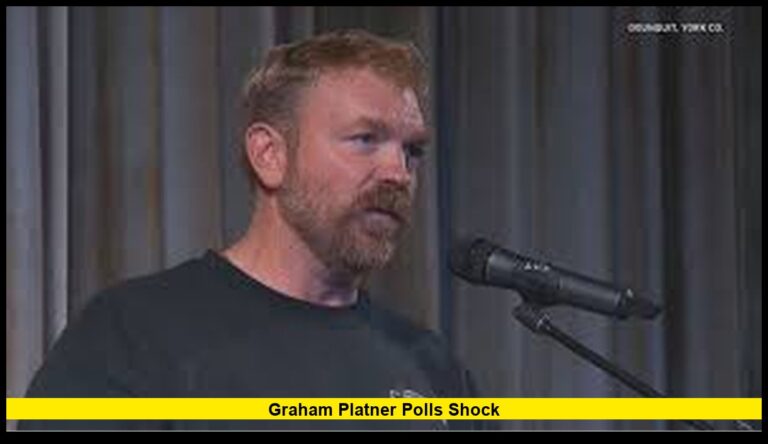
New Scandals Hit Maine Democratic Senate Candidate Graham Platner
The New Political Minefield: Vetting, Redemption, and the Rise of the Flawed Outsider
For decades, the blueprint for a successful political candidate was simple: a clean record, a polished public persona, and a predictable trajectory. But the political landscape has shifted. We are entering an era where “authenticity”—even when that authenticity is messy, contradictory, or outright scandalous—often outweighs the traditional virtues of stability and poise.
The recent turmoil surrounding candidates like Graham Platner in Maine isn’t just a localized scandal; it’s a symptom of a broader trend. We are seeing a collision between the “outsider” appeal and the brutal reality of digital forensics. When a candidate’s appeal is built on being an alternative to the establishment, the establishment’s rules on vetting often get thrown out the window.
The Digital Footprint: The New Opposition Research
In the past, a candidate’s “skeleton in the closet” was something a journalist had to dig for through archives and interviews. Today, the skeletons are usually hosted on Reddit, Twitter, or old blog posts. The “digital footprint” has become the primary weapon in modern political warfare.
We are seeing a trend where candidates are no longer judged by who they are today, but by the worst version of who they were ten or fifteen years ago. This creates a paradoxical environment: while voters claim to want “real people,” those real people have histories that are now permanently indexed by Google.
The challenge for political parties is no longer just finding a candidate who can win, but finding one whose digital history won’t trigger a late-stage collapse. As seen in various global elections, the “October Surprise” is now frequently a “Tuesday Afternoon Thread” on X (formerly Twitter) that unearths a decade-old comment.
The “Redemption Arc” as a Campaign Strategy
As candidates face these revelations, a new narrative is emerging: The Redemption Arc. Instead of denying past mistakes, more candidates are leaning into them, framing their failures as a journey of growth.
By citing struggles with mental health, such as PTSD or addiction, candidates are attempting to pivot from “scandalized” to “survivor.” This is a high-risk, high-reward strategy. When it works, it humanizes the candidate and builds a deep emotional connection with voters who have faced similar struggles. When it fails, it is perceived as a convenient excuse for bad behavior.
The Tension Between Ideology and Electability
There is a growing rift within political parties between the “base” and the “moderates.” The base often gravitates toward outsiders who challenge the status quo, regardless of their personal baggage. The moderates, however, worry about “electability”—the ability of a candidate to win over the centre in a general election.
This tension creates a dangerous blind spot. Parties may ignore red flags during a primary because a candidate is polling well with the core activists. However, as we’ve seen in several high-stakes Senate and House races, the traits that make a candidate a “rockstar” in a primary can make them a liability in a general election.
According to data from Pew Research, polarization is at an all-time high. This polarization often blinds party leadership to the risks of their own candidates, as they fear a primary challenge more than they fear a general election loss.
The Future of Political Vetting
Where do we go from here? The “Graham Platner effect” suggests that traditional vetting is dead. In its place, we will likely see the rise of “Forensic Vetting.”
Future campaigns will likely employ AI-driven tools to scrape every corner of the internet for a candidate’s past mentions, images, and associations before they even announce their run. We are moving toward a world where a candidate’s “digital audit” is as important as their policy platform.
we may see a shift in how the public views “cancel culture” in politics. There is a burgeoning counter-movement that argues that if we demand perfection from our leaders, we will end up with leaders who are simply better at hiding their flaws, rather than leaders who have actually grown from them.
Quick Guide: The Evolution of Candidate Vetting
| Era | Focus | Primary Tool |
|---|---|---|
| Traditional | Public Record & Pedigree | Background Checks |
| Digital | Social Media & Emails | Opposition Research |
| Modern/Future | Psychological Profile & Digital Audit | AI Scraping & Forensic Analysis |
Frequently Asked Questions
Can a candidate actually survive a “dark past” in the current climate?
Yes, provided they have a strong “redemption narrative” and a base of supporters who view the attacks as “establishment interference” rather than legitimate moral failings.
Why do parties continue to support controversial candidates?
Often, the fear of losing a seat to the opposing party outweighs the risk of a flawed candidate. In high-stakes elections, “electability” is often gambled on the hope that the candidate’s strengths outweigh their scandals.
How has mental health discourse changed political campaigns?
There is more openness regarding PTSD and depression, which allows candidates to frame past erratic behavior as a health struggle rather than a character flaw. However, this remains a polarizing strategy.
For more insights on how modern campaigning is evolving, check out our deep dive into Modern Political Strategy Trends or explore our analysis of Voter Psychology in the Digital Age.
What do you think?
Should a candidate’s past—especially things said years ago online—be a disqualifier for office, or should we prioritize their current platform and growth? Let us know in the comments below or subscribe to our newsletter for more political analysis.