
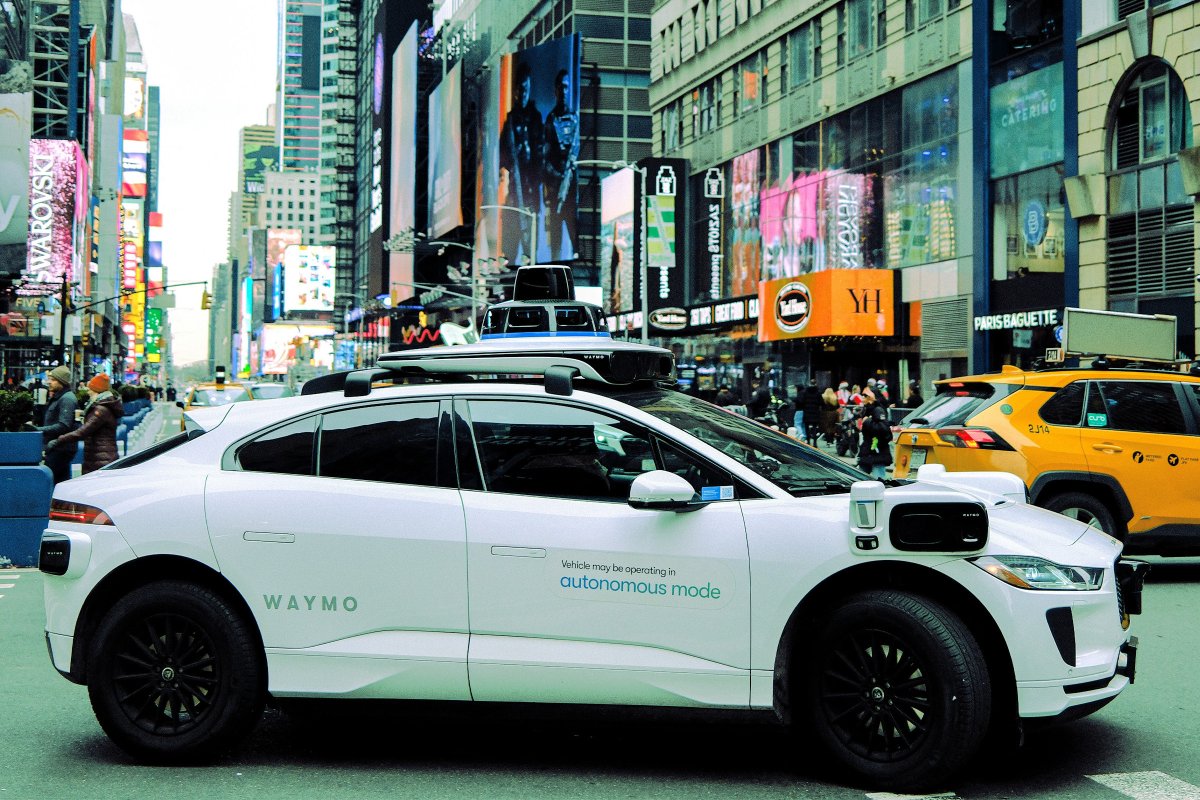
New York City Roadblock Slows Waymo’s Autonomous Taxi Plans Amid Public Backlash
Waymo, the self-driving vehicle division of Alphabet Inc., faces significant political opposition in New York City, preventing its expansion despite technological advancements, according to the New York Times. The company’s efforts to deploy autonomous taxis in the city have been stalled by resistance from local politicians, labor unions, and a powerful taxi lobby, which prompted New York Governor Kathy Hochul to rescind a state proposal allowing self-driving ride-hailing services earlier this year.
The challenges highlight the broader societal resistance to autonomous vehicle adoption, driven by concerns over job displacement and safety. New York City Mayor Zohran Mamdani has aligned with taxi drivers in shaping regulations for autonomous services, according to the report. Waymo, which operates in 11 U.S. cities and conducts over 500,000 rideshare trips weekly, remains committed to its strategy of engaging with communities and governments, as stated by its global head of public policy, Justin Kintz.
Why is Waymo facing political resistance in New York City?
Waymo’s expansion in New York City has been blocked by opposition from local politicians, labor unions, and the taxi industry. Governor Hochul initially allowed self-driving taxis across New York State but excluded New York City, where backlash led her to withdraw the proposal. Mayor Mamdani’s support for taxi drivers further complicates the company’s efforts, reflecting broader concerns about the economic impact of AI-driven automation.

What are the implications of this roadblock for autonomous vehicle technology?
The resistance underscores the challenges robotaxi companies face in navigating regulatory and political landscapes. Waymo’s experience in New York mirrors a national trend where expansion depends on state-by-state approvals. The company’s reliance on public trust and safety demonstrations, as noted by New York Magazine, highlights the industry’s struggle to overcome skepticism amid ongoing technical and ethical debates.
What could enable Waymo’s entry into New York City?
New York Magazine suggests that proving the safety of Waymo’s vehicles beyond the company’s own data could shift the political landscape. However, the industry’s frequent recalls and technical challenges make this a complex task. Even if regulatory hurdles are cleared, Waymo would still need to address the logistical difficulties of navigating New York City’s unpredictable traffic conditions.
Waymo’s ability to navigate these obstacles will likely depend on its capacity to demonstrate safety and address public concerns. The company’s long-term success in New York City remains uncertain, hinging on evolving political dynamics and technological reliability.
What triggered New York Governor Kathy Hochul to rescind her support for Waymo’s self-driving taxis? Opposition from local politicians, labor unions, and the taxi lobby led to public outcry, prompting her to withdraw the state proposal earlier this year.
How many cities does Waymo currently operate in, and what is its weekly rideshare volume? Waymo operates in 11 U.S. cities and conducts over 500,000 rideshare trips weekly, according to the source.
What conditions could potentially change the New York City mayor’s stance on autonomous ride-hailing services? Proving the safety of Waymo’s vehicles beyond the company’s own data could reverse the administration’s resistance, though technical and regulatory challenges persist.
How might the balance between technological progress and workforce concerns shape future policies for autonomous vehicles?