

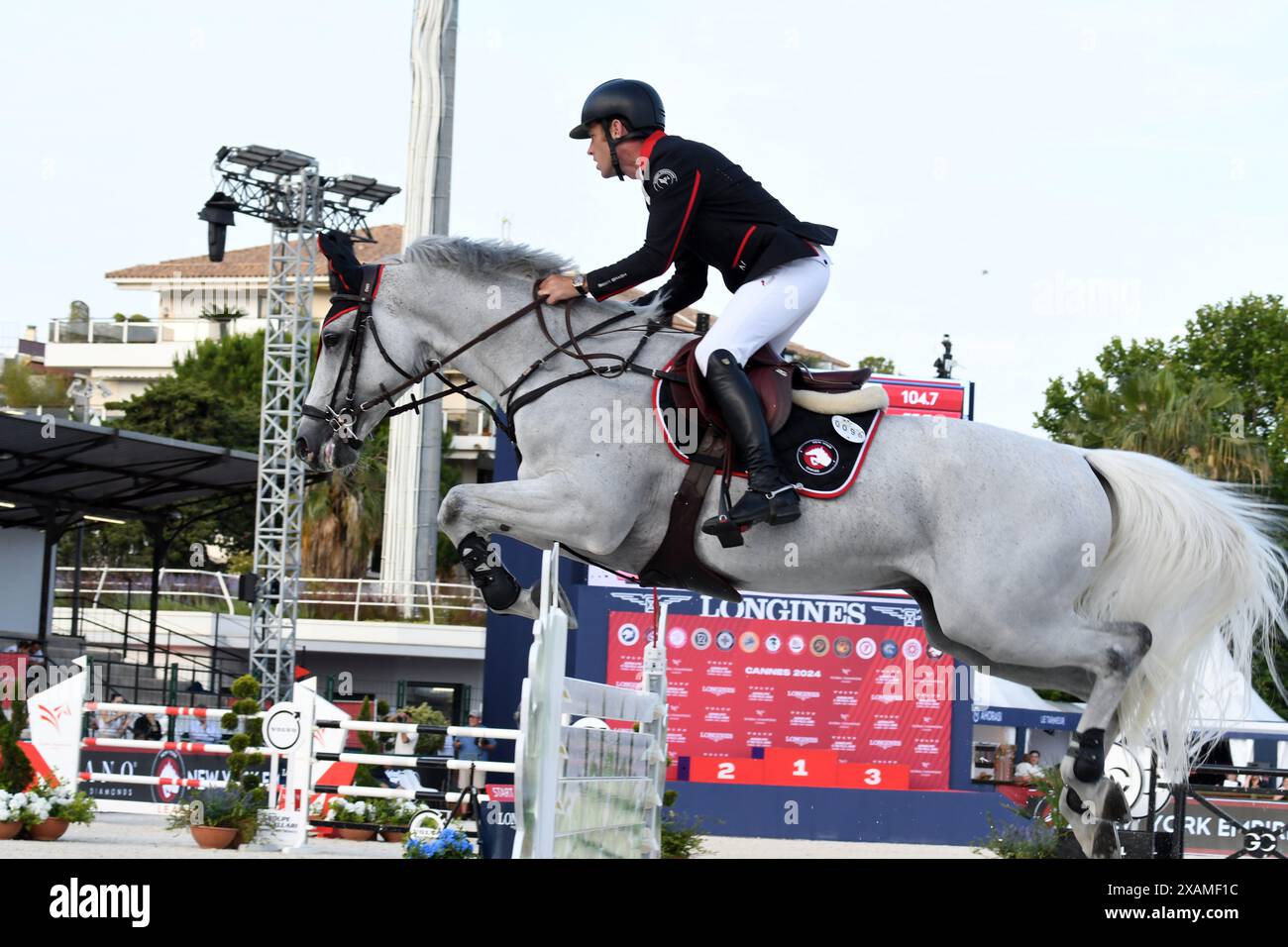
New York Empire Wins Global Champions League in Cannes
The Evolution of Team-Based Show Jumping: Beyond the Individual Podium
For decades, show jumping was the ultimate individual pursuit. A rider and their horse against the clock and the rails. However, the rise of the Global Champions League (GCL) has signaled a seismic shift toward a franchise-based model. We are seeing the “league-ification” of equestrian sports, mirroring the structures of Formula 1 or the IPL.
This shift changes the psychological landscape of the sport. When riders like Scott Brash or Daniel Deußer compete, they aren’t just riding for their own trophy cabinet. they are riding for a team brand. This introduces a new layer of strategic pressure and camaraderie that was previously absent from the jumping arena.
The “Formula 1” Effect in Equestrian Sports
The GCL is essentially creating a high-stakes circuit where consistency across multiple cities—from Cannes to Shanghai—outweighs a single fluke win. This trend is pushing teams to diversify their rosters. We are seeing a blend of seasoned veterans and “young guns,” such as the pairing of a legend like Scott Brash with emerging talents like Max Wachman.
Future trends suggest that teams will begin employing data analysts to study course designers’ patterns and optimize “horse-to-course” matching, further professionalizing the approach to the sport.
Strategy Over Speed: The New Math of the Arena
One of the most fascinating developments in recent high-level competitions is the tactical debate: Is it better to take a time penalty or risk a rail? In the recent Cannes outing, the New York Empire team leaned into the philosophy that time penalties are a safer bet than the four faults incurred by a knocked rail.
This represents a move toward “calculated risk management.” In the past, the goal was often a “clear round” at all costs. Now, with the team scoring system, the goal is “lowest aggregate penalty.” This nuanced approach to scoring is transforming how riders approach the final fences of a round.
Breaking the Age Barrier: The Future of Equine Longevity
Perhaps the most inspiring trend is the continued dominance of older horses. Seeing 17 and 18-year-old horses, such as Vitiki and Hello Jefferson, competing at the highest international level is a testament to advancements in equine sports medicine and regenerative therapy.
The industry is moving away from the “burn bright, burn fast” mentality. We are seeing a trend toward longer, more sustainable careers for elite horses. This is driven by better nutrition, customized physiotherapy, and a deeper understanding of joint health.
As we look forward, we can expect “longevity protocols” to become standard in top stables, ensuring that horses can maintain peak performance well into their late teens without compromising their welfare. For more on the latest in equine health, check out our guide on modern veterinary breakthroughs in show jumping.
The Rise of “Sportainment” and Global Luxury Hubs
The “electrifying” atmosphere described by riders in Cannes highlights a broader trend: the fusion of elite sport with luxury lifestyle events. This is “sportainment.” The venue is no longer just a grass field; This proves a destination.
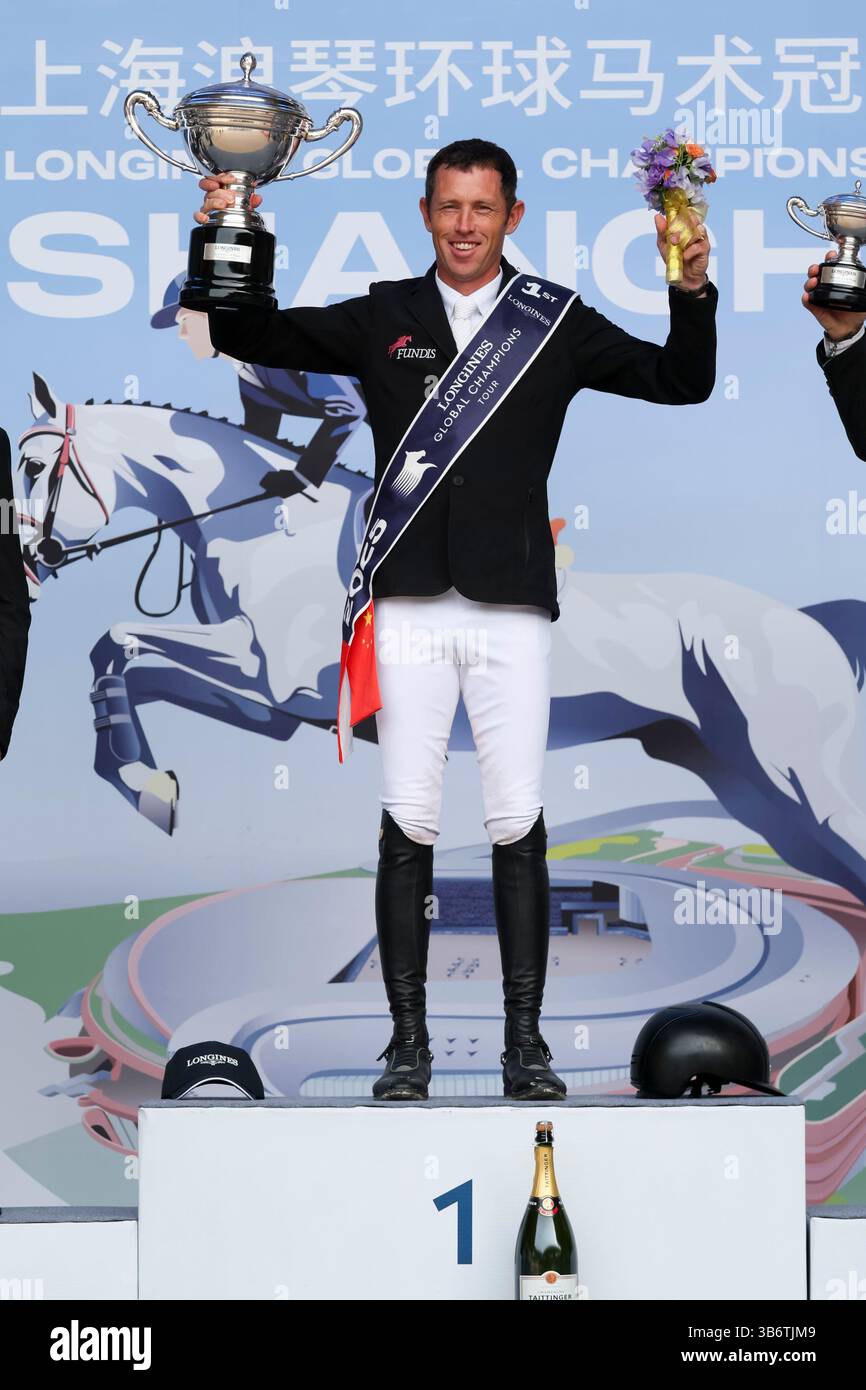
By hosting events in global hubs like Cannes or Doha, the sport attracts a demographic beyond the traditional equestrian circle. This expansion is crucial for the sport’s growth, bringing in new viewers and higher broadcasting values. The trend is moving toward shorter, more intense formats that are easier to consume on digital platforms and social media.
To understand how these events impact the global economy of the sport, you can explore reports from the Fédération Équestre Internationale (FEI) regarding the globalization of jumping.
Frequently Asked Questions
A: The GCL is a team-based show jumping competition where city-based franchises compete across a series of international events to crown an overall league champion.
Q: Why are time penalties sometimes preferred over rail faults?
A: In team formats, the goal is to minimize total faults. A time penalty is often only 1 point, whereas a rail is 4 points. Strategically, taking a small time hit is often safer than risking a costly rail.
Q: Is it common for 18-year-old horses to compete at this level?
A: While not the norm, it is becoming more frequent due to improved veterinary care and training methods that prioritize the horse’s long-term health.
Q: How does the franchise model benefit the riders?
A: It provides a more structured competitive environment, increases visibility through team branding, and often offers more stable financial incentives through sponsorships.