

New York Knicks Set for Historic Canyon of Heroes Championship Parade
New York City’s tradition of ticker-tape parades—the "Canyon of Heroes" celebrations—is evolving from a sporadic civic honor into a high-stakes logistical operation. While the upcoming New York Knicks championship parade marks a historic return to Broadway for the franchise, the city’s ability to host these events now requires managing massive crowds, complex sanitation efforts, and heightened security protocols that far exceed the solemn, low-budget receptions of the 1970s.
Why did the Knicks miss out on parades in the 1970s?
The absence of a ticker-tape parade for the 1970 and 1973 championship-winning Knicks teams was a result of shifting mayoral priorities and fiscal constraints. According to records from the New York City Department of Records and Information Services, then-Mayor John Lindsay actively discouraged the traditional "Canyon of Heroes" processions.
Lindsay, alongside his public events commissioner and former Knick John "Bud" Palmer, favored smaller, cost-effective gatherings at City Hall or the mayoral residence. This move coincided with a national recession and a specific municipal frustration; Palmer reportedly clashed with city officials over a $372 bill for materials used during the 1969 New York Mets parade. Unlike the current plans, which include a full route from Battery Park, the 1970s celebrations remained stationary and relatively private affairs.
How has the "Canyon of Heroes" tradition changed over time?
Ticker-tape parades originated in 1886 during the inauguration of the Statue of Liberty, when brokerage employees threw paper tape from office windows, according to the Downtown Alliance. By 1919, the city began formalizing these events to honor returning World War I soldiers.

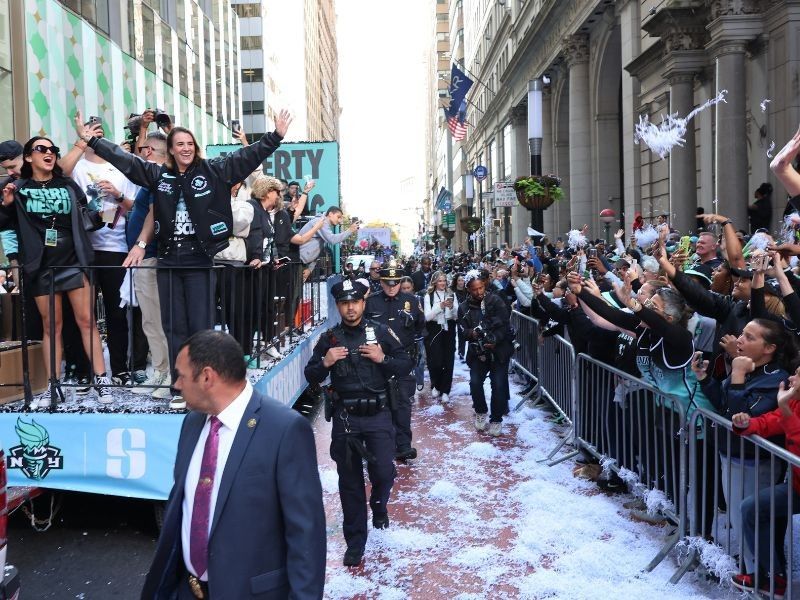
The scope of these parades has expanded significantly over the last century. While early events celebrated aviation milestones and foreign dignitaries—including the controversial 1931 appearance by French Marshal Henri Petain—modern iterations are almost exclusively focused on championship sports teams and humanitarian milestones. The transition from spontaneous paper-throwing to the 2024 WNBA Liberty celebration reflects a shift toward highly produced, secure, and city-managed spectacles.
Did you know? The tradition of "ticker-tape" comes from the telegraph-era machines that printed stock prices on narrow strips of paper. Modern parades now use shredded recycled paper to mimic the aesthetic of the original telegraph ribbons.
What are the logistics of hosting a modern NYC parade?
Managing a major parade in lower Manhattan requires a massive mobilization of city services. Mayor Zohran Mamdani’s office confirmed that 10,000 police officers will be deployed to secure the route. This level of security is a direct response to the exuberant and occasionally chaotic street celebrations that occurred during the Knicks’ recent playoff run against the San Antonio Spurs.
Beyond security, sanitation remains a primary concern. Approximately 650 sanitation workers are assigned to clear the route, managing what the city expects to be tens of thousands of pounds of debris. This logistical footprint highlights the contrast between the modest 1973 City Hall reception—where only 2,000 fans gathered—and the massive, city-wide demand expected for this week’s festivities.
Pro Tips for Viewing Future NYC Parades
- Arrive Early: With crowds expected to reach record numbers, street-level access near Battery Park and City Hall often closes hours before the start time.
- Monitor Official Channels: Follow the Mayor’s Office and the NYPD on social media for real-time updates on transit diversions and entry points.
- Respect the Route: The "Canyon of Heroes" is narrow; staying on the designated sidewalks ensures safety and better visibility of the floats.
Frequently Asked Questions
Who is hosting the Knicks championship parade?
The event is organized by the office of Mayor Zohran Mamdani, with plans to present the team with the keys to the city at City Hall.

Are there historical precedents for these parades?
Yes. The tradition dates back to 1886, though it has evolved from celebrating stock market workers’ paper-throwing to formal, city-sponsored athletic honors.
Why are security measures so strict?
The NYPD is deploying 10,000 officers to manage crowd control following recent chaotic street celebrations during the team’s playoff series.
Will past legends be in attendance?
According to a source familiar with the planning, legends such as Walt "Clyde" Frazier and Patrick Ewing are expected to participate in the festivities.
Are you planning to attend the parade? Share your memories of past New York championship celebrations in the comments below, or subscribe to our newsletter for more updates on city events and local history.