
Newsroom » Carlsberg Denmark increases its share of regenerative raw materials « Carlsberg Group
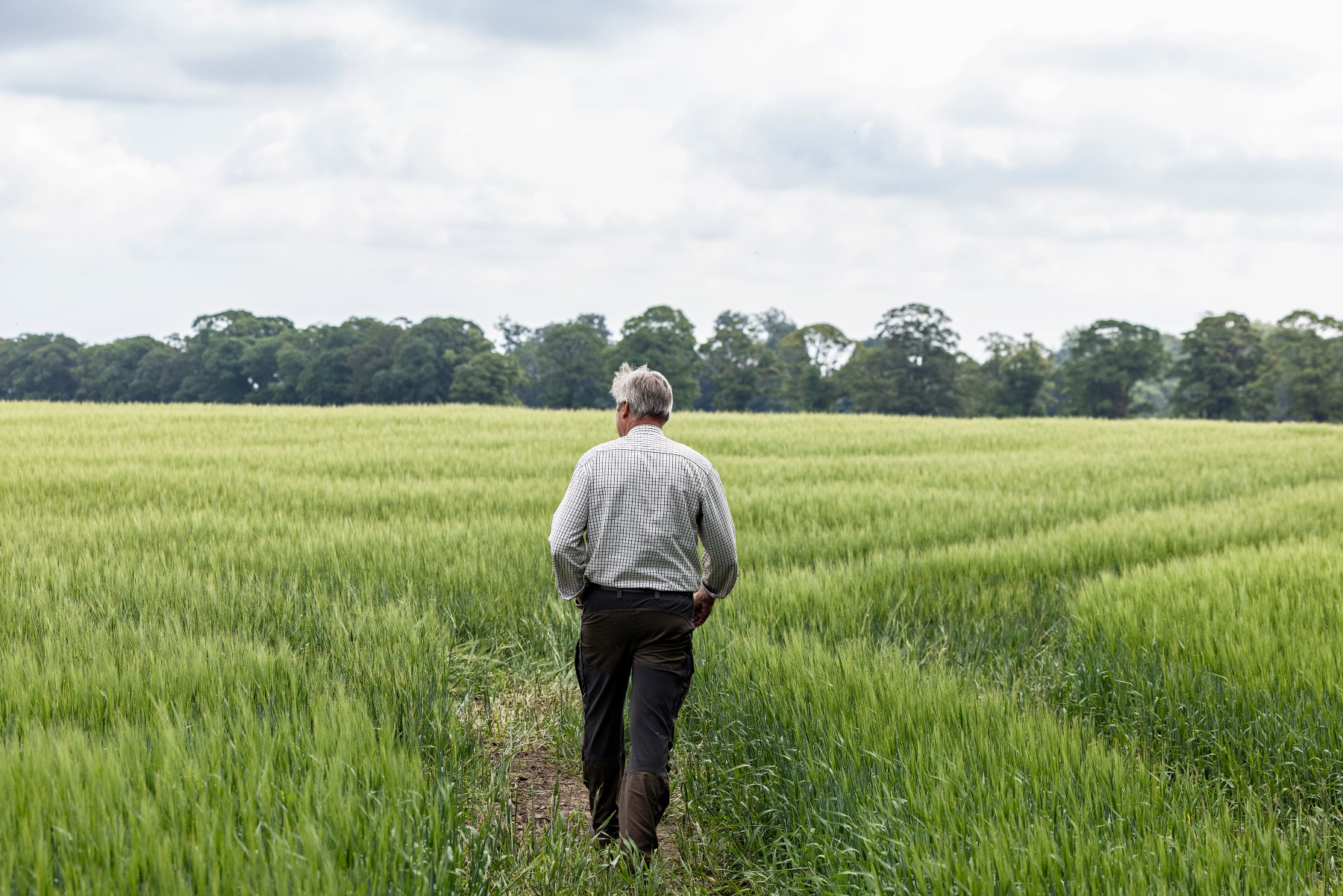
Carlsberg Denmark plans to increase its procurement of regeneratively grown grain to 18,400 tonnes for the 2027 beer production cycle, including the first purchase of 1,000 tonnes of regeneratively grown wheat to meet all domestic wheat requirements, according to Stig Schneider, Senior Sustainability Manager at Carlsberg Denmark.
The company is progressing toward its 2032 goal of sourcing 50% of raw materials through regenerative agriculture, a practice linked to reduced carbon emissions and improved soil health. The 2026 harvest will supply 17,400 tonnes of malting barley and 1,000 tonnes of wheat, enough to produce approximately 118 million liters of beer in 2027, Schneider said.
Why It Matters
Raw materials account for 25% of Carlsberg Denmark’s total CO₂ emissions, making regenerative agriculture a key component of its sustainability strategy. The approach reduces tractor use, lowers fuel consumption, and enhances biodiversity, according to Schneider. The company’s expansion follows its 2025 debut with 3 million liters of beer brewed using regenerative barley, scaling to 100 million liters in 2026.
DLG, a partner in the value chain, highlighted that Carlsberg’s demand for regenerative wheat could incentivize farmers to adopt alternative crop rotations. “Broader demand makes it more attractive for farmers to work with new cultivation methods,” said Claus Stig Pedersen, EVP for Sustainability & Communication at DLG.
What May Happen Next
Carlsberg Denmark’s actions could prompt other companies to prioritize regenerative sourcing, potentially expanding the range of crops covered. However, scaling requires collaboration with farmers and value chain partners. The company advocates for a national framework inspired by the Regenerating Together Programme (RTP), an initiative under the SAI Platform focused on standardizing regenerative agriculture practices.
Analysts suggest that increased industry adoption of regenerative principles may depend on measurable outcomes, such as verified soil health improvements and carbon sequestration. Carlsberg’s continued support for RTP indicates a commitment to aligning with international standards, though broader impact remains conditional on market demand and policy development.
Frequently Asked Questions
What is Carlsberg Denmark’s 2032 goal regarding regenerative agriculture? The company aims to have 50% of its raw materials used in beverages grown according to regenerative principles by 2032.
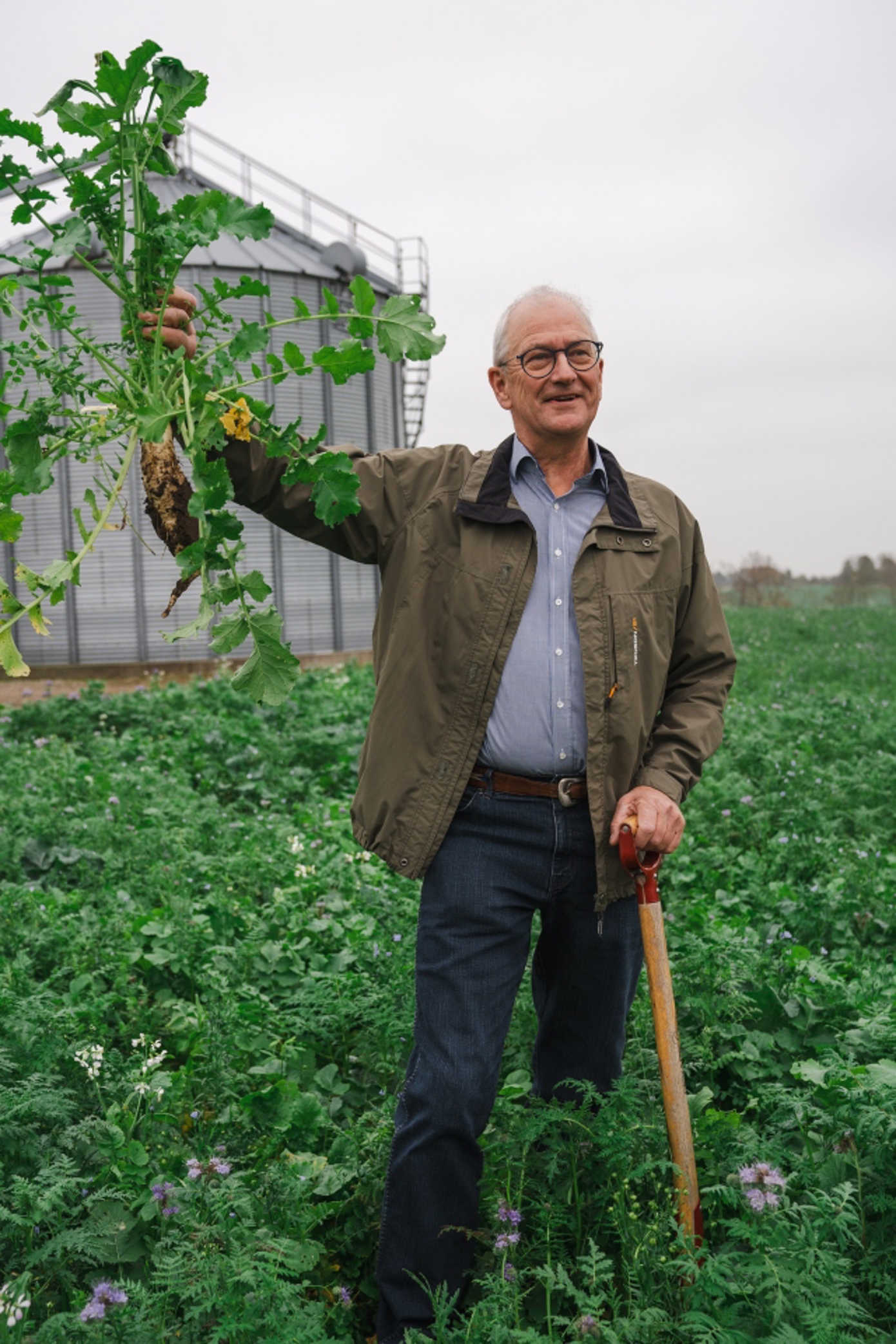
How does regenerative agriculture impact Carlsberg Denmark’s carbon emissions? Raw materials account for 25% of the company’s total CO₂ emissions. Regenerative farming methods, such as reduced tractor use, are expected to lower emissions while improving soil health and biodiversity.
What is the Regenerating Together Programme (RTP)? RTP is an international initiative under the SAI Platform that promotes regenerative agriculture through shared standards, focusing on soil health, biodiversity, and climate resilience.
Could Carlsberg Denmark’s approach inspire broader industry adoption of regenerative practices?