
NextGenAI Leaders: Empowering the Future of AI in News Media
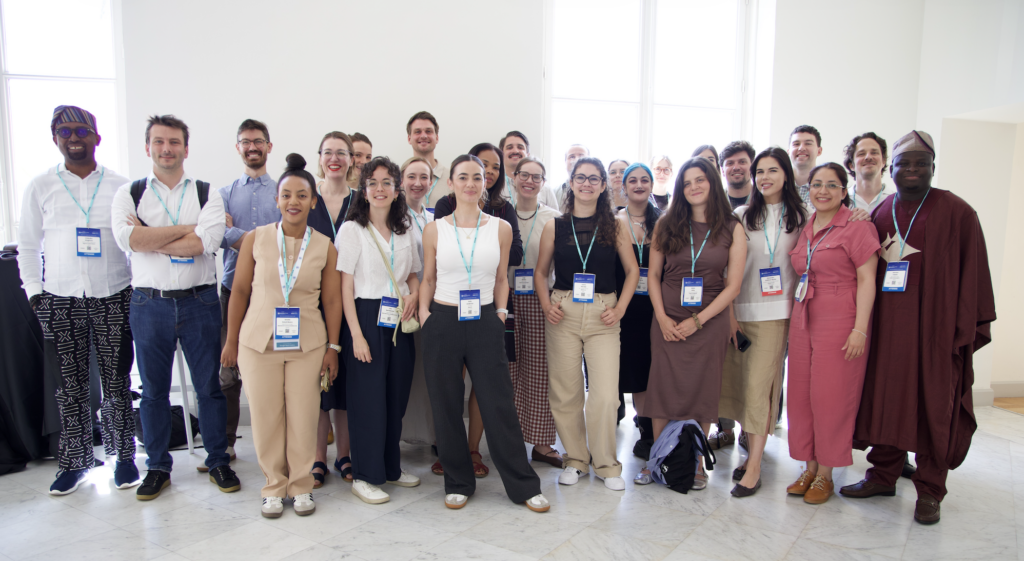
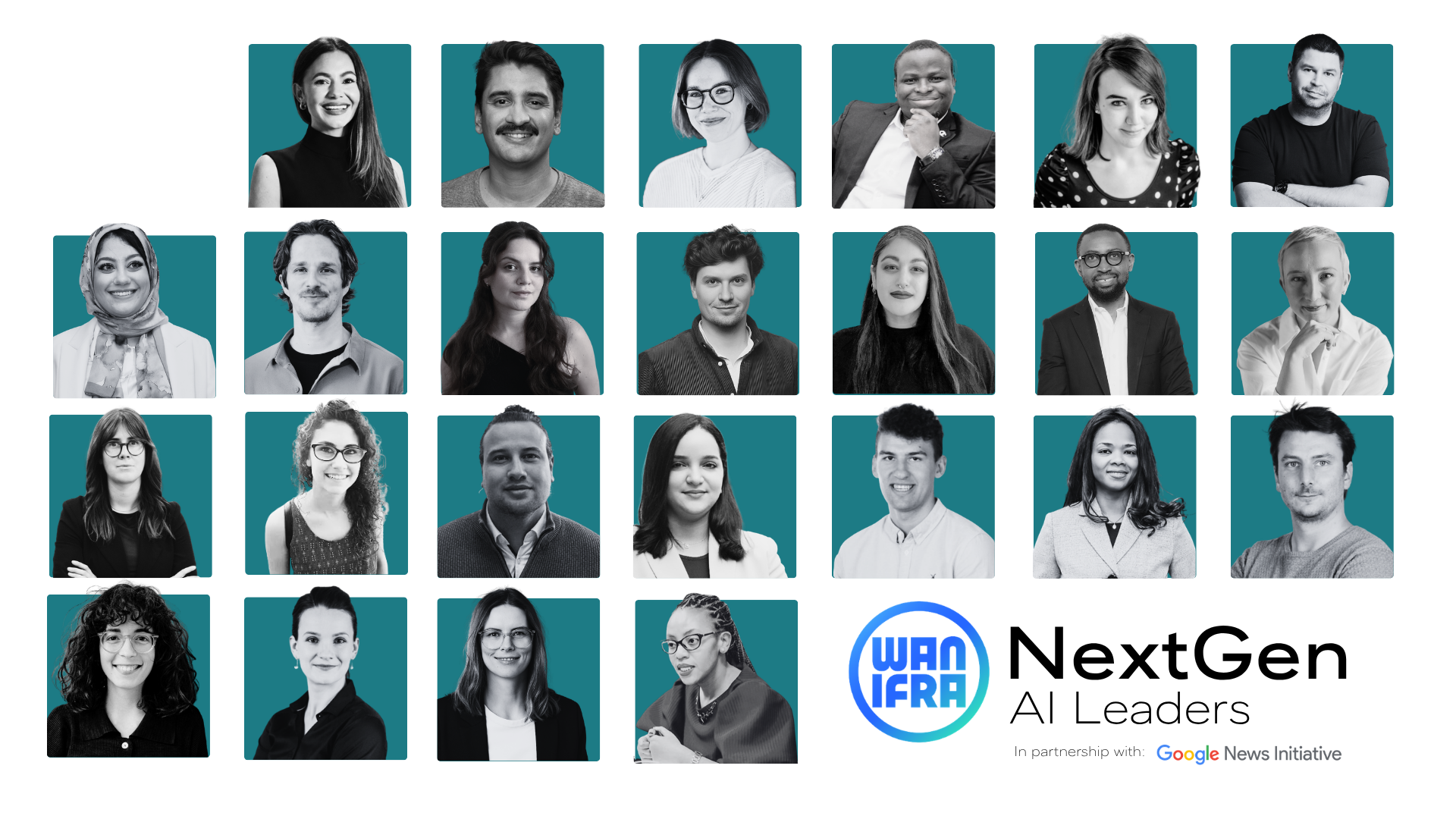
Young media leaders in the EMEA region are integrating artificial intelligence into newsrooms using “leadership canvases” to align technology with specific editorial roles, according to WAN-IFRA. The NextGenAI Leaders programme, a partnership with the Google News Initiative, focuses on transitioning from theoretical AI planning to building concrete tools for editorial workflows and audience intelligence.
Members of the NextGenAI Leaders cohort generated 186 distinct ways AI can support leadership growth and team development in just 30 minutes, reports WAN-IFRA. These ideas span from workflow optimization to the creation of entirely new media products.
How are newsrooms moving from AI theory to actual tools?
The transition begins with a “personal leadership canvas.” This tool helps managers identify AI opportunities that fit their specific roles and expand their newsroom’s existing capabilities, according to authors Rocío Valderrábano and Brian Veseling.
Instructors have pushed participants to move past the brainstorming phase. Kaveh Waddell, a programme instructor, described the mid-point of the residency as an “inflection point.” He stated that participants are now narrowing their focus to build a specific “tool, the system or the artefact” they will implement over the following month.
To facilitate this, the programme divides leaders into “pods” based on thematic clusters. These pods focus on four primary areas:
- Editorial workflows
- Audience intelligence
- Adoption strategy
- Cultural change
What are the biggest hurdles to AI adoption in media?
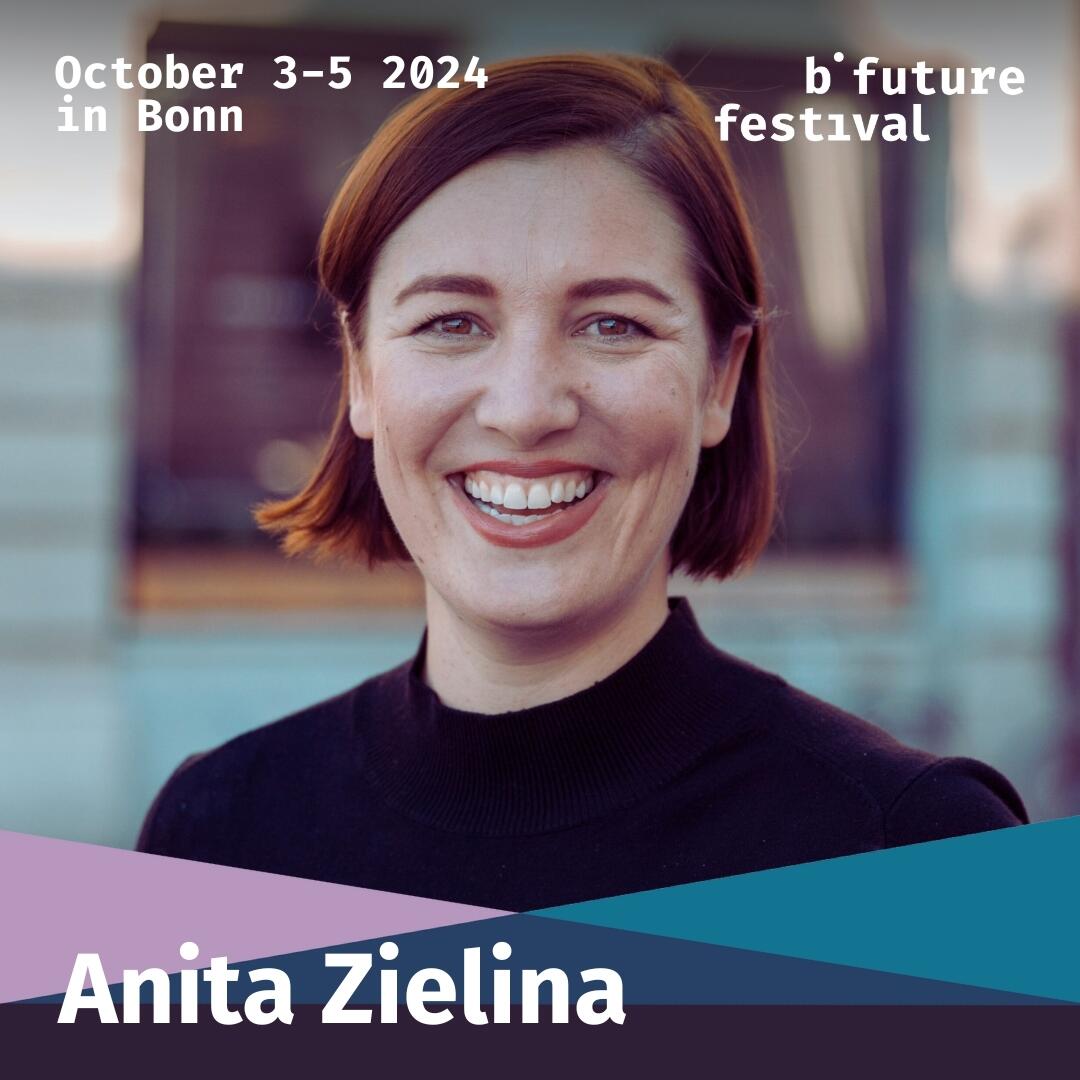
Technical capability is only one part of the challenge. Anita Zielina, CEO of Better Leaders Lab, noted that even organizations without “legacy things weighing them down” aren’t automatically agile or user-centric. She emphasized that the real challenge is figuring out how to make the implementation “fast, agile and user-centric.”
Beyond the software, there is a human cost. Many NextGen participants reported feeling isolated or caught between different corporate tiers while tackling complex AI issues. They often lacked the peer support necessary to implement systemic change.
Chibuike Alagboso, Director of Media Programmes at Nigeria Health Watch, said the residency allowed him to “humanise the work itself.” Alagboso noted that comparing problems with other leaders revealed how shared these challenges are across different news organizations.
Why does the gap between executives and young leaders matter?
The divide between top-level executives and younger managers often slows AI adoption. While executives may set the strategy, younger leaders are typically the ones managing the daily workflow changes. WAN-IFRA reports that honest conversations within the NextGenAI cohort reflect a growing willingness to bridge this gap by sharing strategies and lessons learned.
This collaboration is critical because AI adoption isn’t just about software; it’s about “building a muscle,” according to trainer Patrick Swanson, co-founder of Verso. Swanson argued that the goal isn’t just the single tool being built, but the ability to continue building helpful tools over the coming years.
For more on how global newsrooms are evolving, see the WAN-IFRA resource center or explore the Google News Initiative tools.
Frequently Asked Questions
What is the NextGenAI Leaders programme?
It is an executive programme by WAN-IFRA and the Google News Initiative designed for young media leaders and entrepreneurs in the EMEA region to deploy responsible AI.
What is a leadership canvas in the context of AI?
It is a strategic tool used to align an individual’s leadership role with specific AI opportunities to expand newsroom capabilities.
Which areas of newsroom operations benefit most from AI?
According to the program’s thematic clusters, the highest impact areas include editorial workflows, audience intelligence, and cultural adoption strategies.