

NFL insider hints SoFi Stadium may have grass field if Rams, Chargers didn’t share it
SoFi Stadium, the shared home of the Los Angeles Rams and Chargers, utilizes artificial turf primarily due to the logistical challenges of hosting two NFL franchises. According to Sports Illustrated’s Albert Breer, if the stadium hosted only one team, it likely would have featured a natural grass surface. The transition to grass for the 2026 World Cup demonstrated that the venue’s translucent roof and open-air design provide sufficient sunlight for natural turf, contradicting claims that the stadium’s architecture requires synthetic materials.
Why do NFL stadiums choose turf over grass?
The primary driver for synthetic surfaces in multi-tenant NFL stadiums is maintenance and scheduling. According to the Rams Wire, managing a grass field requires significant recovery time, which is difficult to achieve when two teams use the same field on back-to-back weekends. By contrast, artificial turf allows for a higher volume of events, including concerts and corporate gatherings, without the degradation associated with natural soil and root systems. While players have consistently lobbied for natural grass to improve safety and reduce lower-body injuries, league owners often prioritize the financial benefits of a high-traffic, multi-use venue.
The 2026 World Cup required FIFA-mandated grass surfaces at all venues. SoFi Stadium successfully replaced its turf with a temporary natural grass field, proving that the stadium’s unique translucent roof allows enough light for grass to thrive in an indoor environment.
How does the Rams-Chargers partnership impact field maintenance?
Shared venues face a “turnover” problem. When the Rams and Chargers occupy the same space, the frequency of games doubles compared to a single-team stadium. Albert Breer notes that a one-team stadium faces fewer constraints, allowing ground crews the necessary window to re-sod or treat the field between games. In contrast, MetLife Stadium, which also hosts two teams (the Giants and Jets), similarly utilizes turf. This pattern suggests that the decision to use synthetic grass is less about climate or stadium design and more about the operational demands of accommodating two professional schedules.
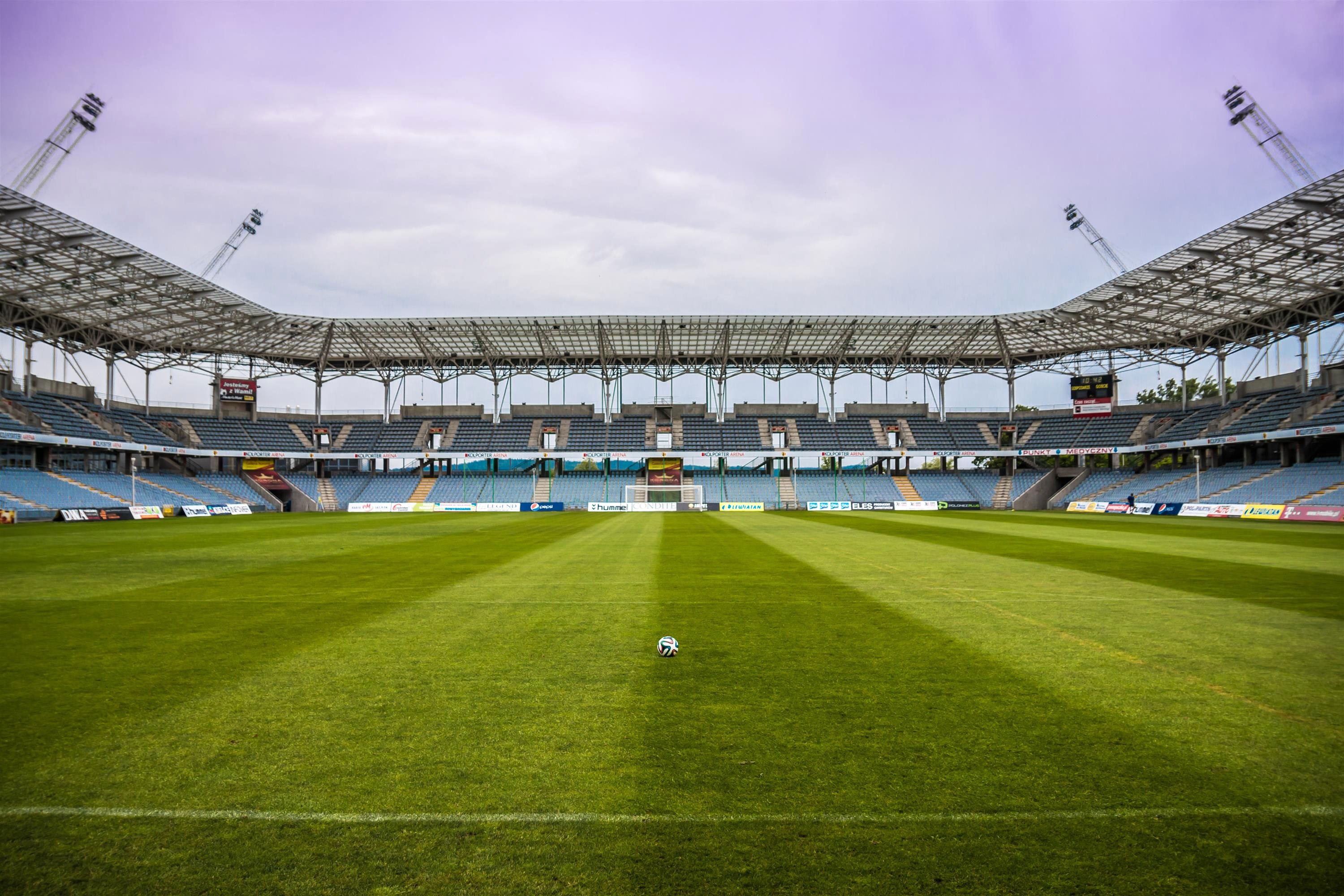
What are the long-term trends for NFL playing surfaces?
The debate over turf versus grass is shifting as player advocacy groups and the NFL Players Association (NFLPA) apply increasing pressure. Historically, the NFL has maintained that synthetic surfaces are safer for high-traffic venues. However, the successful installation of grass for the World Cup at SoFi Stadium creates a new precedent. Future stadium renovations may move toward “hybrid” systems—a combination of natural grass and synthetic fibers—which provide the durability needed for multiple events while offering the aesthetic and physical benefits of natural turf.
Comparison of Field Surface Requirements
| Factor | Natural Grass | Artificial Turf |
|---|---|---|
| Maintenance Frequency | High (daily care) | Low |
| Multi-Use Capability | Limited | High |
| Player Preference | High | Low |
Frequently Asked Questions
Could SoFi Stadium permanently switch to grass?
While technically possible due to the stadium’s roof design, it remains unlikely as long as two NFL teams share the facility. The current scheduling density makes the maintenance of a natural grass field difficult to sustain over a 17-game season.

Why did the World Cup change the field at SoFi?
FIFA mandates natural grass for all World Cup matches to ensure a consistent playing experience and player safety. The stadium was retrofitted with grass specifically for the duration of the tournament.
Are other NFL stadiums moving away from turf?
Several teams have begun transitioning to hybrid surfaces, which provide a middle ground between the durability of artificial turf and the performance characteristics of natural grass.
What do you think? Should the NFL mandate natural grass for all stadiums regardless of how many teams play there? Join the conversation in the comments below or subscribe to our newsletter for the latest updates on NFL infrastructure.