

NFL Ownership Shake-Up: Dell, Emanuel, Shapiro, and Arctos Join Raiders & Browns as New Investors
The Las Vegas Raiders have undergone a significant shift in ownership, welcoming a new wave of high-profile investors while solidifying a succession plan that could reshape the franchise’s future. The team, valued at $9.9 billion, has added four influential executives—Ari Emanuel, Mark Shapiro, Michael Dell, and Joseph Baratta—to its ownership group. Their stakes, though not individually disclosed beyond Emanuel’s 1.4% and Shapiro’s 0.6%, mark a strategic expansion for the Raiders, now with six minority investors collectively holding 25.3% of the franchise. Meanwhile, Silver Lake co-CEO Egon Durban has increased his share to 22%, positioning him as the likely successor to majority owner Mark Davis under an NFL-approved succession plan.
Who’s Investing and Why It Matters
The new investors bring diverse expertise and deep ties to sports and entertainment. Emanuel and Shapiro, co-CEOs of TKO Group (which owns UFC and WWE), have extensive NFL connections, including Shapiro’s role in securing Monday Night Football rights for ESPN in 2005 and creating the NFL Honors event. Shapiro also co-owns Major League Soccer’s LAFC, while Emanuel has expanded his portfolio into global tennis tournaments. Their addition could amplify the Raiders’ commercial and hospitality strategies, particularly through TKO’s On Location, which holds exclusive NFL packages.
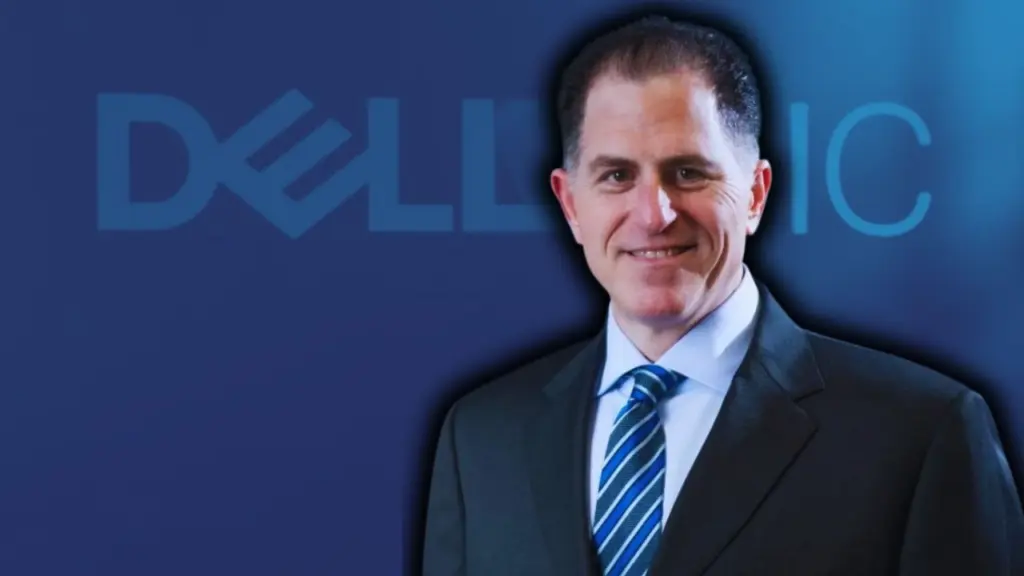
Michael Dell, founder of Dell Technologies, and Joseph Baratta, Blackstone’s global head of private equity, add financial and operational depth. Dell’s tech background could bring innovation to the team’s digital and fan engagement initiatives, while Baratta’s private equity experience aligns with the NFL’s growing trend of welcoming institutional investors. The Raiders’ valuation reflects this appeal: the franchise’s $9.9 billion price tag underscores its status as a premier asset in professional sports.
A New Era for the Raiders
The Raiders’ ownership changes coincide with broader trends in NFL investment. Durban’s expanded stake, combined with real estate developer Michael Meldman’s 12.9% share, creates a powerful bloc that could influence the team’s long-term direction. The NFL’s approval of Durban as a potential successor suggests confidence in his ability to maintain the franchise’s stability, particularly in Las Vegas, where the team’s future hinges on sustained fan engagement and market growth.

For Davis, the sale of a portion of his stake—even while retaining majority control—could provide liquidity while ensuring the Raiders’ legacy endures. The presence of former NFL stars like Tom Brady and Richard Seymour among minority investors also adds symbolic weight, reinforcing the team’s connection to its athletic heritage.
Arctos Enters the NFL Fold
Separately, private equity firm Arctos Partners has acquired a 3.2% stake in the Cleveland Browns, its third NFL investment after the Buffalo Bills and Los Angeles Chargers. The move aligns with Arctos’ recent acquisition by KKR, which has signaled ambitions to expand into larger sports investments, including league-wide and venue financing. The Browns’ $9 billion+ valuation and their $1.75 billion stadium project in Brook Park make them an attractive partner for Arctos’ long-term vision.
Dee and Jimmy Haslam, the Browns’ controlling owners, welcomed Arctos as a “limited partner” sharing their commitment to the franchise and Northeast Ohio. Chad Hutchinson, a partner at Arctos, emphasized the Browns’ “iconic” status and loyal fanbase, framing the investment as a vote of confidence in the team’s future. This acquisition underscores the NFL’s growing openness to private equity, with firms like Sixth Street (Patriots) and Ares Management (Dolphins) already proving the model’s viability.
What Could Come Next?
The Raiders’ ownership changes may accelerate discussions around team operations, particularly in areas like digital innovation, international expansion, and luxury experiences—domains where Emanuel, Shapiro, and Dell have demonstrated expertise. A possible next step could be deeper integration of TKO’s hospitality platforms, such as On Location, to enhance the Raiders’ fan experience in Las Vegas. Meanwhile, Durban’s succession plan could prompt broader conversations about governance structures in NFL franchises, especially as more minority investors gain influence.
For the Browns, Arctos’ involvement might lead to collaborations in stadium financing or global marketing, leveraging KKR’s resources. The firm’s history with the Bills and Chargers suggests a focus on operational efficiencies and revenue growth, which could translate to new initiatives in Cleveland. Both transactions highlight the NFL’s evolving landscape, where traditional ownership is increasingly supplemented by strategic investors with specialized skills.
Frequently Asked Questions
1. Who are the new Raiders owners, and what stakes do they hold?
The new investors are Ari Emanuel (1.4%), Mark Shapiro (0.6%), Michael Dell, and Joseph Baratta. Together with Egon Durban (22%) and Michael Meldman (12.9%), they collectively own 25.3% of the Raiders. Mark Davis remains the majority owner.
2. What is Egon Durban’s role in the Raiders’ succession plan?
Durban is set to become the controlling owner of the Raiders in the event Mark Davis sells the team or passes away, under a plan approved by the NFL.
3. How does Arctos’ Browns investment compare to their other NFL stakes?
Arctos now owns stakes in three NFL teams: the Buffalo Bills, Los Angeles Chargers, and Cleveland Browns. Their 3.2% ownership in the Browns aligns with their existing minority investor model, focusing on long-term growth and community investment.
With private equity firms and media executives increasingly shaping NFL ownership, how do you think these changes will impact the balance between tradition and innovation in team management?