
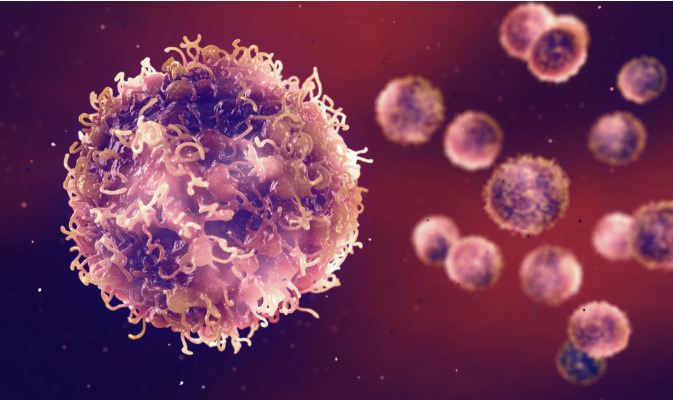
NGFR Inhibition Reduces Melanoma Metastasis and Enhances Immunotherapy Efficacy
A new international study led by the Spanish National Center for Biotechnology (CNB-CSIC) has identified a promising strategy to combat melanoma metastasis. By targeting a specific molecule known as NGFR, researchers have demonstrated in preclinical models that it is possible to reduce tumor spread and potentially enhance the efficacy of immunotherapy, even in cases where tumors have developed resistance to standard treatments.
The Role of NGFR in Cancer Progression
Building on research from 2021, scientists identified the Nerve Growth Factor Receptor (NGFR) as a critical “accelerator” for melanoma. This molecule enables tumor cells to invade surrounding tissues and manipulate the environment to facilitate spread to distant organs, such as the lungs. The recent findings published in The EMBO Journal reveal that NGFR also coordinates with the RhoA–ROCK signaling pathway to drive an aggressive form of cell movement known as “ameboid” migration.
The compound used to block NGFR, known as THX-B, has previously been studied for its potential in treating inflammatory processes and diabetic retinopathy, marking a new phase of research for its application in oncology.
Overcoming Immunotherapy Resistance
Immunotherapy has fundamentally changed the landscape for treating metastatic melanoma; however, between 40% and 60% of patients do not achieve a lasting clinical response. The study suggests that high levels of NGFR are associated with a poorer response to these treatments. By using the inhibitor THX-B to block NGFR, the research team observed a reduction in the metastatic capacity of melanoma cells. When combined with traditional immunotherapy—which targets proteins like PD-1 or PD-L1—this approach may help reverse resistance and improve overall treatment outcomes.
The significance of this discovery lies in its dual-action potential. By simultaneously inhibiting the molecular mechanisms that drive tumor mobility and re-sensitizing the body’s immune defenses, this strategy addresses the primary challenges of tumor aggressiveness and treatment evasion, which remain the leading drivers of mortality in melanoma patients.
Future Implications
While the findings are currently based on preclinical models and a retrospective analysis of 45 patient samples, they establish a clear path for future investigation. The identification of the NGFR–RhoA/ROCK–MLC2 axis as a central mechanism in tumor aggression provides a potential target for new therapeutic strategies. Moving forward, NGFR could serve as a vital biomarker, helping clinicians identify which patients might be at higher risk of failing standard immunotherapy, thereby allowing for more personalized treatment pathways.
Frequently Asked Questions
What is the function of the NGFR molecule in melanoma?
NGFR acts as an accelerator for metastasis, helping tumor cells move, invade tissues, and prepare favorable environments for the cancer to spread to distant organs like the lungs.
How does the compound THX-B work?
THX-B acts as a specific inhibitor of NGFR. By blocking this molecule, it reduces the ability of melanoma cells to form metastases and, when combined with immunotherapy, helps limit tumor dissemination and combat treatment resistance.
Is this treatment currently available for patients?
No. The study is in the preclinical phase, having been conducted primarily in mice and through a retrospective analysis of patient samples. Further research is required before this can be implemented as a clinical therapy.
How might the integration of personalized biomarkers change the way we approach cancer treatment in the coming decade?