Nickerie Farmers Diversify Beyond Rice with Citrus Cultivation Training
Beyond Rice: Nickerie’s Agricultural Pivot Toward a Diversified Future
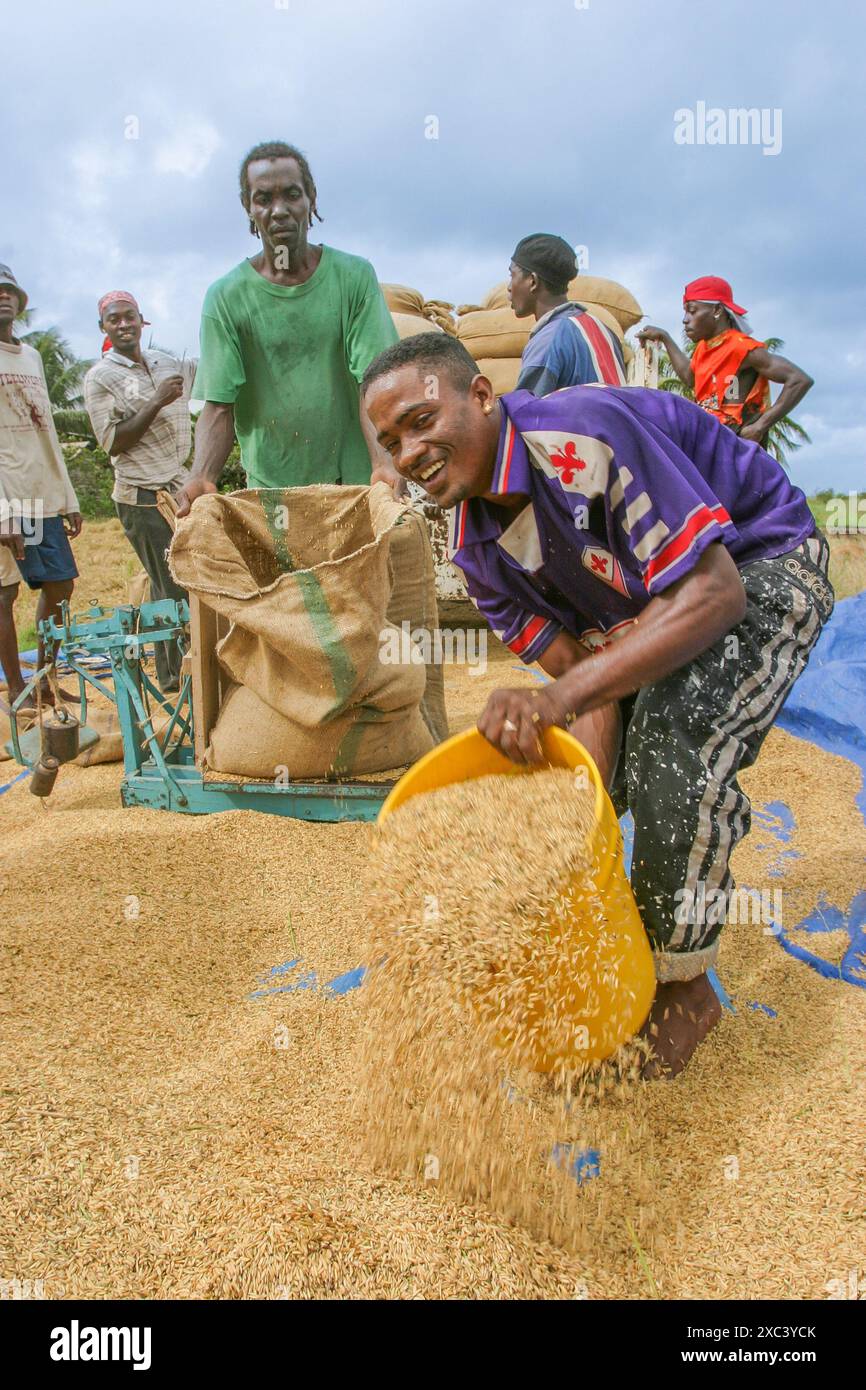
For decades, the mention of Nickerie has been synonymous with rice. As Suriname’s “rice bowl,” the district has long anchored the nation’s agricultural output. However, a quiet revolution is taking root in the fertile soil of the west. Farmers are increasingly turning away from monoculture, embracing a diverse landscape of citrus, coconuts, bananas and exotic fruits.

This shift isn’t just a trend; it is a strategic move toward long-term food security and economic resilience. By moving beyond rice, local farmers are mitigating risks associated with market fluctuations and climate change, ensuring that Nickerie remains a powerhouse of production for years to come.
The Shift Toward High-Value Horticulture
The transition is supported by recent initiatives from the Ministry of Agriculture, Livestock, and Fisheries (LVV), which has been conducting specialized training programs, such as the Citrus Cultivation Technique. These workshops provide farmers with the technical expertise needed to manage high-value crops—skills that are essential for competing in both local and international markets.

Farmers like Vikash Jurawan, who manages large-scale plantations of mango, soursop, and citrus, represent a new generation of agricultural entrepreneurs. They understand that while rice offers quick cycles, fruit and tree crops offer a sustainable legacy. As Jurawan notes, agriculture is a long-term investment; the patience required today builds the foundation for tomorrow’s harvests.
Combating Biological Threats: The Battle Against HLB
One of the most significant hurdles in citrus production is Huanglongbing (HLB), commonly known as citrus greening. This bacterial disease has devastated citrus yields globally. However, the recent educational focus on identifying and managing HLB has empowered local farmers to take proactive measures.
By learning to recognise symptoms early—such as yellowing leaves and misshapen fruit—farmers are no longer fighting blindly. This knowledge transfer, funded by international bodies like the Inter-American Development Bank (IDB), is critical for scaling production capacity across Suriname’s districts.
Why Youth Involvement is the Key to Food Security
While the world looks toward the promise of oil and gas, the real wealth of a nation often lies in its ability to feed itself. There is a growing realization among young Surinamese farmers that agriculture is not a “dying” profession, but a high-tech, essential sector of the future.
Did you know? Sustainable agriculture is one of the most effective ways to combat rural poverty. By integrating modern irrigation techniques and disease-resistant crop varieties, young farmers are increasing yields by up to 30% compared to traditional methods.
Future Trends in Surinamese Agriculture
- Agro-Tech Integration: Expect to see more drones and sensor-based soil monitoring as younger, tech-savvy farmers take over operations.
- Value-Added Processing: Moving from selling raw fruit to processing products like juices, dried fruits, and extracts to capture more value locally.
- Export-Ready Standards: As production scales, meeting international phytosanitary standards will be the next major milestone for the industry.
Frequently Asked Questions
- Why is Nickerie diversifying away from rice?
- Diversification helps farmers reduce economic risk, improve soil health, and capitalize on the growing demand for diverse fruit and vegetable products in the regional market.
- What is HLB and why is it dangerous?
- HLB (citrus greening) is a bacterial disease that kills citrus trees. It is highly contagious and currently has no cure, making early identification and vector control essential.
- How can young farmers get started in this sector?
- Engaging with the Ministry of Agriculture (LVV) for training programs and seeking mentorship from established farmers are the best first steps to learning sustainable techniques.
Are you a local producer looking to diversify your land, or are you interested in the future of food security in Suriname? Share your thoughts in the comments below or subscribe to our newsletter for the latest updates on agricultural innovation in the region.