
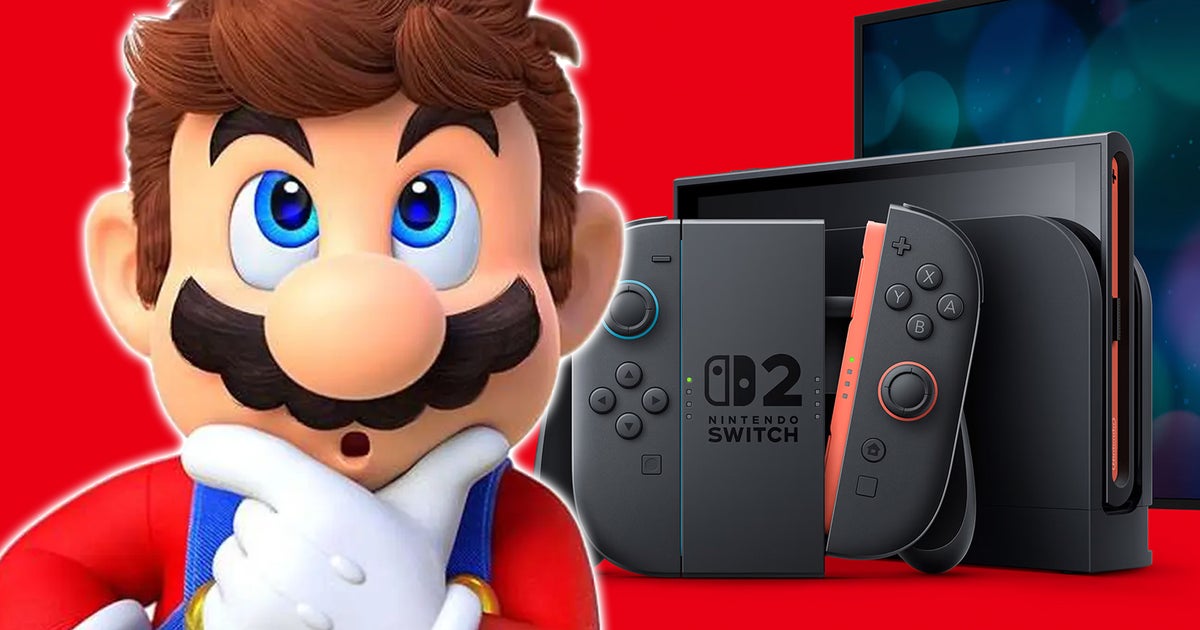
Nintendo Switch 2: New Europe-Exclusive Model to Feature Replaceable Battery
The End of the ‘Glued-In’ Era: How Right to Repair is Reshaping Gaming Hardware
For years, the tech industry has operated on a silent agreement of planned obsolescence. We’ve grown accustomed to batteries that are glued deep inside chassis and screens that are practically fused to the motherboard. But the tide is turning. The recent news that Nintendo is preparing a specific version of the Switch 2 with a user-replaceable battery for the European market isn’t just a corporate pivot—it’s a signal of a systemic shift in how electronics are built.
When a giant like Nintendo—a company known for its protective stance over its hardware—is forced to redesign a console for a specific region, it proves that regulatory pressure is now more powerful than design preference. This move is a direct response to the European Union’s stringent battery regulations, which mandate that consumers must be able to replace batteries easily by February 2027.
The ‘Brussels Effect’: Why Europe Dictates Global Tech
You might wonder why a law in Brussels affects a console designed in Kyoto and sold in New York. This is what economists call the “Brussels Effect.” When the EU sets a high regulatory bar, global companies often find it cheaper to create a single global standard rather than managing ten different regional versions of the same product.
We saw this play out with the USB-C mandate. Apple famously resisted the universal charging port for years, only to eventually adopt it across the entire iPhone lineup to maintain access to the European market. While Nintendo is currently opting for a region-specific “OSM” model for the Switch 2, the logistical nightmare of maintaining two different hardware architectures usually leads to the more sustainable version becoming the global gold standard over time.
For more on how these regulations affect your gear, check out our guide on the evolution of sustainable tech [Internal Link].
Beyond the Battery: The Rise of Modular Hardware
The shift toward replaceable batteries is just the first domino. The broader trend is modular hardware. We are moving toward a future where “upgrading” your console or phone doesn’t mean buying a whole new unit, but swapping out a specific component.
The Framework Influence
Companies like Framework are already proving that high-performance laptops can be fully modular. From ports to motherboards, every part is replaceable. As the “Right to Repair” movement gains traction in the US—with several states passing their own legislation—we can expect this philosophy to bleed into the gaming world.
What This Means for Future Consoles
- User-Replaceable Storage: Moving away from soldered SSDs to standard M.2 slots.
- Modular Cooling: Allowing users to replace thermal paste or fans without voiding warranties.
- Screen Swaps: Standardized connectors that make replacing a cracked OLED panel a 10-minute job rather than a professional surgery.
The Sustainability Paradox: Sleekness vs. Serviceability
The biggest hurdle for manufacturers has always been the “thinness” race. Gluing components allows for slimmer profiles and better water resistance. However, the consumer psyche is shifting. The modern buyer is increasingly valuing longevity over a few millimeters of thickness.
Nintendo’s decision to create a separate model for Europe suggests they are still struggling with this paradox. By isolating the “repairable” version, they can maintain their aesthetic vision in Japan and the US while satisfying legal mandates in Europe. But as the European Commission continues to push for a circular economy, the “sleek but sealed” philosophy will become a liability, not a luxury.
Frequently Asked Questions
Will the Switch 2 have a removable battery in the US?
Currently, reports indicate the user-replaceable battery model is exclusive to the European market to comply with EU law. However, industry trends suggest that modularity often expands to other regions over time.
What is the “Right to Repair”?
The Right to Repair is a legal and social movement that advocates for consumers to have access to the tools, parts, and manuals necessary to fix their own electronic devices, rather than being forced to use manufacturer-authorized repair centres.
Does a removable battery affect the console’s performance?
Generally, no. While a glued battery allows for a slightly more compact internal layout, a properly engineered removable battery provides the same power delivery and performance without compromising the gaming experience.
What do you think?
Would you trade a slightly thinner console for the ability to swap your own battery in five minutes? Let us know in the comments below or subscribe to our newsletter for the latest in sustainable gaming tech!