
No Safe Level of Alcohol: New Research on Health Risks
New research in the United States, including a report for federal dietary guidelines and a Nature Health analysis of over 800 studies, indicates that moderate alcohol consumption offers no concrete health benefits. These findings link even low intake to increased risks of premature death, liver disease, and various cancers.
Why is moderate alcohol consumption being questioned?
The “Alcohol Intake and Health” report, developed as part of an update to federal dietary guidelines, found no concrete advantages to drinking alcohol. The authors state that even small amounts are associated with a higher probability of developing liver disorders, cardiovascular diseases, and tumors.

This report challenges the long-held belief that moderate drinking could be harmless or beneficial. According to the authors, low levels of consumption are linked to an increased risk of premature mortality.
What are the links between alcohol and cancer?
Researchers publishing in Nature Health identified a significant connection between alcohol use and an increased risk of pancreatitis, liver pathologies, and several types of cancer. The data specifically highlights risks to the mouth, pharynx, larynx, and colorectal areas.
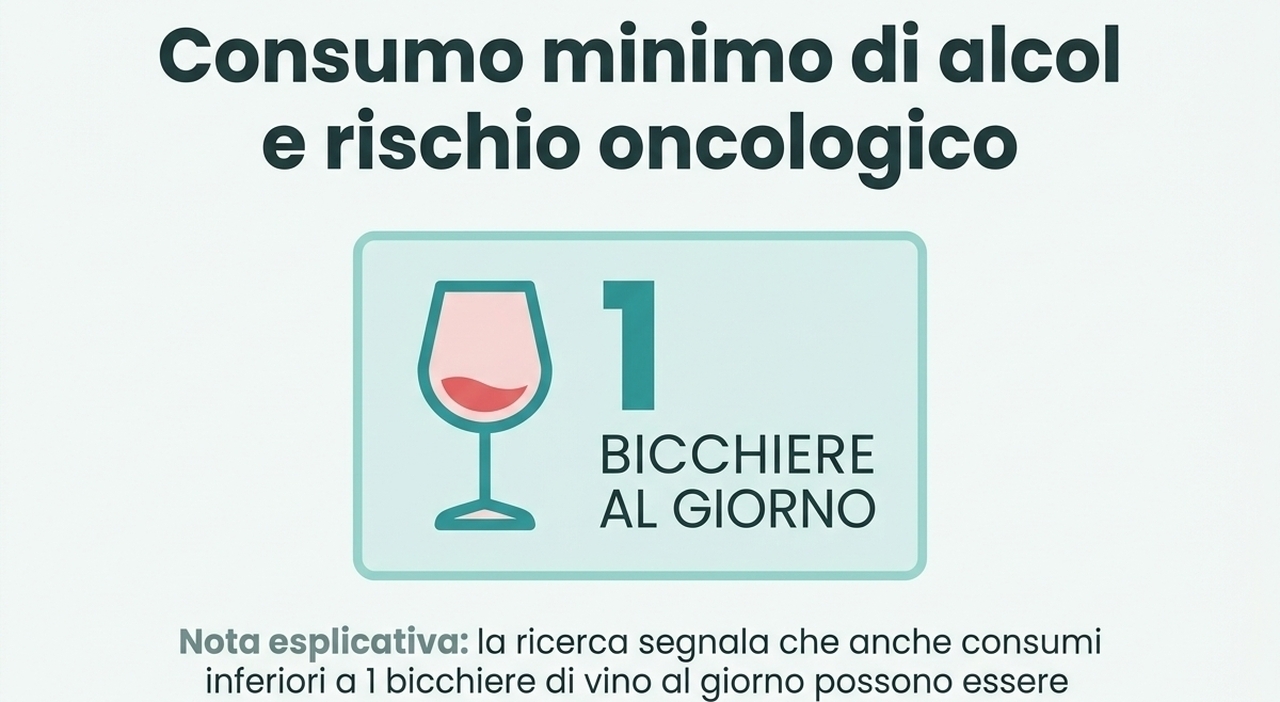
The risk increases as consumption rises, but researchers note it can appear at low or moderate levels. According to the study, consuming less than one glass of wine per day may be associated with an increased oncological risk.
Some observational studies have noted lower rates of type 2 diabetes, certain dementias, and specific cardiovascular diseases among moderate drinkers. However, the authors clarify these associations do not prove a direct cause-and-effect relationship and may result from socioeconomic conditions or lifestyle factors.
Who is most at risk from alcohol use?
Experts state that identifying a universally safe threshold for alcohol is difficult because effects vary by sex, age, clinical condition, and context. Young adults face specific dangers, as potential cardiovascular benefits are limited for this group.

For young adults, the risks of addiction, accidents, and other negative effects remain high. Experts warn against using health data as a justification to begin or maintain alcohol consumption.
What happens next for public health guidelines?
The scientific community, government institutions, and the alcohol industry are currently in a period of ongoing debate. Some experts argue that current evidence may justify more stringent public recommendations.
Public health initiatives could increase information regarding the link between alcohol and cancer, a connection that remains poorly understood by the general population. The scientific consensus is likely to continue shifting toward the conclusion that no level of consumption is completely without consequence.
Frequently Asked Questions
Does moderate drinking prevent heart disease?
While some observational studies show a lower incidence of certain cardiovascular diseases in moderate drinkers, the authors of the research state this does not prove a cause-and-effect relationship and may depend on lifestyle or socioeconomic factors.
Which specific cancers are linked to alcohol consumption?
According to the research, alcohol is linked to increased risks of cancers affecting the mouth, pharynx, larynx, and colon-rectum.
Is there a safe amount of alcohol to drink daily?
The research indicates that risk tends to increase with consumption and that even drinking less than one glass of wine a day can be associated with oncological risks. Experts suggest there are no levels completely free of consequences.
How do you think these findings will change the way people approach their daily health habits?