

Nordic Stock Market Update: Key Performance and Exchange Rates
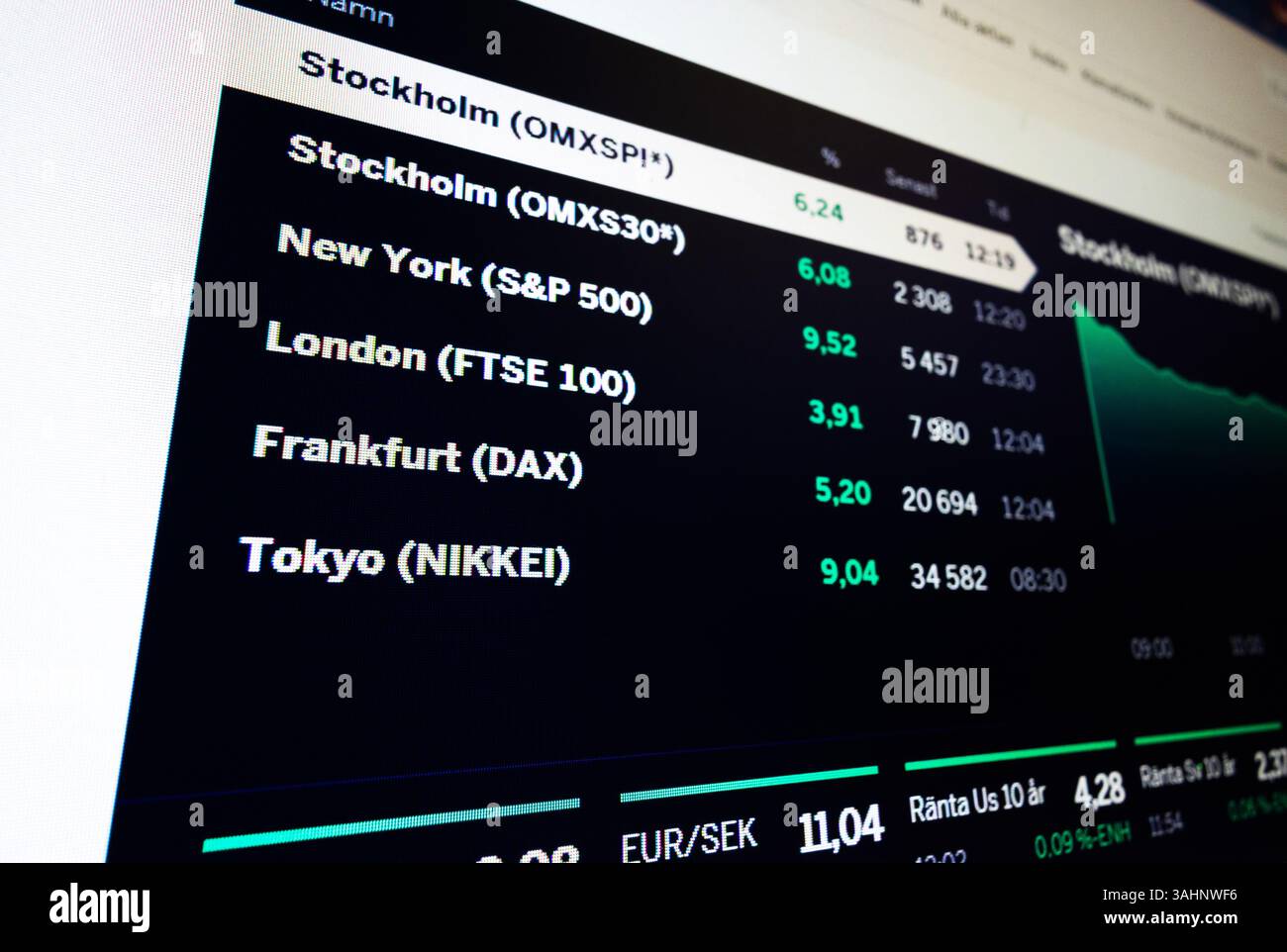
The Nasdaq Stockholm index faced a downward shift on June 8, 2026, recording a 0.74% decline to reach 3,093.29 points by midday. This movement reflects a broader cooling across Nordic markets, where major players in telecommunications and natural resources saw notable volatility throughout the morning session.
Market Movements and Sector Performance
Trading data from June 8 highlights a difficult session for telecommunications firms. Nokia experienced a significant 4.8% drop in its Stockholm listing, while Ericsson shares fell by 1.8%. These declines were mirrored in Helsinki, where Nokia also saw a 4.7% decrease in value.
The resource sector faced similar pressure. Lundin Gold saw its shares decline by 5.8% in Toronto, and Lucara recorded a 4.0% loss. Conversely, some entities bucked the trend; Octave shares surged by 6.4%, and Genmab saw a 2.9% increase in Copenhagen, providing a stark contrast to the broader downward pressure on the index.
Despite the overall market dip, the exchange rate of the USD against the Swedish Krona (SEK) stood at 9.4642 as of midday on June 8, 2026, serving as a critical benchmark for the cross-border valuations of firms like Astra Zeneca and Autoliv.
Context and Potential Implications
The volatility observed in the Nasdaq Stockholm is symptomatic of interconnected global trading environments. When large-cap stocks like Nokia and Ericsson retreat, the index often feels the immediate impact due to their heavy weighting. Investors are likely observing how these fluctuations correlate with shifting currency valuations, particularly the USD/SEK and USD/NOK pairs.
Analysts expect that if the current trend of underperformance in telecommunications persists, it could dampen investor sentiment for the remainder of the week. Conversely, the resilience shown by specific companies like Octave may lead to a rotation in portfolio allocations as market participants seek stability outside of the primary tech and mining sectors.
The divergence between the mining sector’s performance and the gains in health-related equities like Genmab suggests a market that is not moving in lockstep. Investors are currently weighing the impact of currency fluctuations against sector-specific headwinds, which often creates these pockets of volatility in the Nordic exchanges.
Frequently Asked Questions
What was the performance of the Nasdaq Stockholm on June 8, 2026?
The index closed at 3,093.29 points, representing a decline of 0.74% for the day.
Which sectors showed the most significant decline during this session?
Telecommunications and mining were among the most impacted, with Nokia falling 4.8% and Lundin Gold dropping 5.8%.
Are there any companies that saw positive growth on this date?
Yes, Octave saw a 6.4% increase, and Genmab recorded a 2.9% gain in the Copenhagen market.
How do you anticipate these sector-specific shifts will influence your investment strategy in the coming weeks?