
North Korea’s Unexpected Economic Boom Fuelled by Russia and China
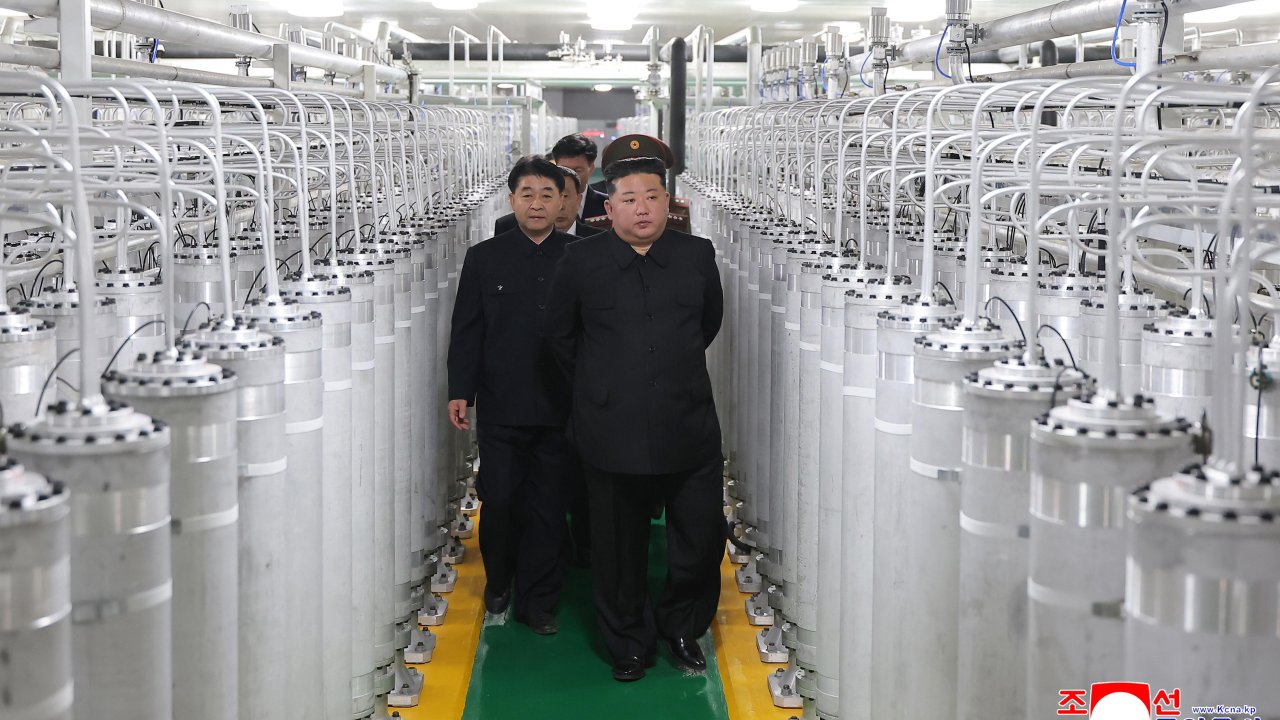
North Korea’s economy grew by 3.7% in 2024, marking its fastest growth rate in eight years according to data from the Bank of Korea. This unexpected expansion is driven by multi-billion dollar arms sales to Russia, the deployment of over 15,000 troops to the Ukraine front, and critical financial and material support from China.
How is North Korea funding its economic growth?
The regime has bypassed international sanctions to secure energy and components. According to the Seoul-based Institute for National Security Strategy (INSS), weapons sales have brought billions of dollars into Pyongyang.
Russia has provided more than just cash. Military expertise from Moscow has helped Kim develop new drones and warships, while Russian air defense systems have been delivered to Pyongyang.
China remains a primary benefactor. Leader Xi Jinping recently visited North Korea in his first overseas trip of the year, underscoring a relationship that provides essential funding and supplies.
What does the “new” Pyongyang look like?
Visitors, including diplomats and Russian travelers, describe a capital city that is unrecognizable from the past. The elite now enjoy brick-oven pizza, chicken wings, and internet gaming cafes.
Modernity has hit the streets via Chinese electric vehicles and BMW dealerships. The economy has even shifted toward digital payments, with residents using QR code systems for transactions.
However, this wealth is concentrated. While the capital glows three times brighter at night than it did five years ago, the UN reports that nearly half of the country’s 26 million people remain malnourished.
Why do sanctions fail to stop the regime?
Since 2017, the US and UN have imposed massive trade and financial restrictions. Yet, South Korean think tanks report that these sanctions are not visible on satellite imagery.
Increased vessel activity at oil facilities and crowded parking lots suggest a thriving shadow economy. Kim has also moved to centralize control, pushing state-produced goods back onto shelves to replace the “donju” merchant class.
The regime views these sanctions as a “barbaric blockade.” During a Workers’ Party congress in February, the 42-year-old leader displayed seven rows of factory-fresh missile launchers to signal strength despite US pressure.
What may happen next in US-North Korea relations?
Donald Trump has previously met Kim three times and recently suggested a renewed willingness to meet. However, North Korea’s current economic trajectory may change the bargaining dynamic.

Because Pyongyang is no longer solely dependent on Western sanctions relief, the US may find it harder to incentivize denuclearization. A possible next step could be further military integration between Russia and North Korea.
Analysts expect the regime to continue expanding its network of allies. Kim’s recent attendance at a Chinese military parade suggests he is likely to seek more formal partnerships with veto-holding UN members like Beijing and Moscow.
Frequently Asked Questions
What was North Korea’s GDP growth in 2024?
According to the Bank of Korea, the economy expanded by 3.7%.
How many North Korean troops were sent to Russia?
Over 15,000 soldiers were deployed to the front lines in Ukraine, with roughly one-third reported as killed or wounded.
Is the economic growth felt outside of Pyongyang?
No. While the capital sees luxury growth, a UN report indicates that nearly half of the 26 million citizens are malnourished.
Do you believe economic growth driven by arms sales creates a sustainable future for North Korea?