
Novel IL1RAP therapy advances toward pancreatic cancer clinical trial
Researchers at the Sylvester Comprehensive Cancer Center found that blocking the IL1RAP receptor can disrupt the inflammatory network that helps pancreatic cancer resist treatment. According to a study published in JCI Insight, this discovery is now advancing toward a clinical trial for patients with operable pancreatic cancer.
How does blocking IL1RAP affect pancreatic cancer?
IL1RAP acts as a receptor at a key control point in inflammatory signaling. Jashodeep Datta, M.D., and his colleagues discovered that this receptor connects tumor cells, immune cells, and fibroblasts into a coordinated network. This network helps the cancer resist treatment.
Datta, a pancreatic and hepatobiliary surgical oncologist at Sylvester, describes IL1RAP as a “shared ‘helper’ receptor” that transmits inflammatory messages. By blocking this bottleneck, researchers can dampen the tumor-driven inflammation that typically makes chemotherapy and immunotherapy less effective.
Preclinical research shows that inhibiting IL1RAP reshapes the tumor microenvironment. This process decreases immune-suppressive cells and increases the activity of T cells. According to the study, tumors also show less fibrosis and a better response to combination therapy.
What is the goal of the new clinical trial?
Sylvester is advancing a first-of-its-kind neoadjuvant clinical trial. The trial will combine IL1RAP-targeted therapy with chemoimmunotherapy for patients with operable pancreatic cancers before they undergo surgery.
The objective is to reprogram the environment protecting the cancer cells rather than just attacking the cells themselves. Datta says this strategy aims to make existing treatments work more effectively.
Peter Hosein, M.D., co-author of the study and professor of clinical medicine at the Miller School, stated the trial provides a window to connect science to patient outcomes. The trial allows researchers to evaluate how a patient’s biology changes by analyzing tumors both before and after treatment.
Why is this research significant for operable pancreatic cancer?
Pancreatic cancer is difficult to treat because of its tumor microenvironment, which protects tumors from immunotherapy and chemotherapy. While KRAS-targeted therapy has extended survival for patients with metastatic cancer, Datta notes that this approach may take years to reach patients with operable cancer.
The current need for new strategies in the operable population is urgent. This research identifies IL1RAP as a therapeutic vulnerability that could be used to break down tumor defenses.
If successful, this strategy may provide a patient-centered treatment plan that can be delivered directly in the clinic. Future results from the trial could potentially confirm the link between IL1RAP activity and treatment response in humans.
Frequently Asked Questions
What is IL1RAP?
It is a receptor that serves as a control point in inflammatory signaling, connecting tumor cells, immune cells, and fibroblasts to help pancreatic cancer resist treatment.
Who is conducting this research?
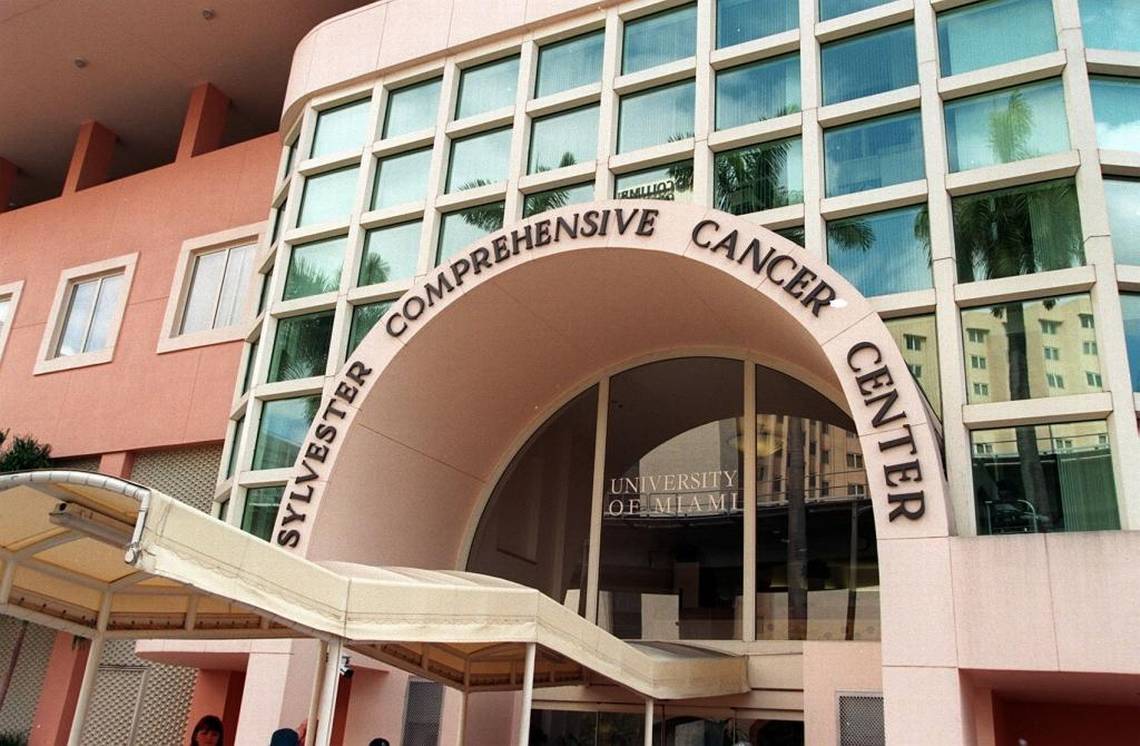
The study was led by researchers at the Sylvester Comprehensive Cancer Center, part of the University of Miami Miller School of Medicine, including Jashodeep Datta, M.D., and Peter Hosein, M.D.
What does the neoadjuvant trial involve?
The trial tests a combination of IL1RAP-targeted therapy and chemoimmunotherapy in patients with operable pancreatic cancer prior to their surgery.
How do you think targeted therapies will change the future of cancer surgery?