
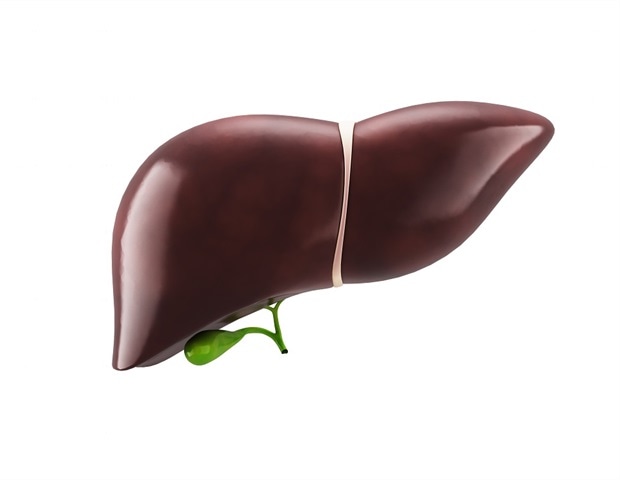
Novel RNA modification mechanism drives metabolic fatty liver disease progression
Researchers have uncovered a new molecular mechanism that contributes to the progression of nonalcoholic fatty liver disease (NAFLD). This metabolic disorder is known for its complex development, and new evidence suggests that specific RNA modifications play a critical role in how the disease advances.
The Role of YTHDF1 in Liver Health
The study focused on a protein called YTHDF1, which acts as a “reader” for RNA methylation. While YTHDF1 was previously known to recognize m6A modifications, researchers found it also recognizes N1-methyladenosine (m1A).
This dual specificity allows YTHDF1 to influence the stability of specific messenger RNAs. In the context of NAFLD, this protein was found to play a critical role in promoting hepatic steatosis, which is the accumulation of fat in the liver.
The YTHDF1–m1A–NUPR1 Axis
The research identified a specific pathway involving a stress-induced transcriptional regulator known as NUPR1. NUPR1 undergoes m1A modification, which allows YTHDF1 to bind directly to its mRNA.

When YTHDF1 binds to the m1A-modified NUPR1 mRNA, it enhances the stability of that mRNA. This process leads to elevated levels of NUPR1 protein within the liver.
Impact on Lipid Accumulation
Once NUPR1 levels are increased, the protein acts as a core driver of NAFLD pathogenesis. It achieves this by activating genes responsible for lipogenesis while simultaneously suppressing genes involved in fatty acid β-oxidation.
This dual action exacerbates the accumulation of lipids in the liver. The findings were validated through studies using high-fat diet-fed mice and free fatty acid-treated HepG2 cells.
Future Therapeutic Potential
The discovery of this epitranscriptomic mechanism expands the current understanding of how RNA modifications are recognised in the body. This pathway could provide a new direction for medical research.

Because the YTHDF1–m1A–NUPR1 pathway governs the progression of the disease, it may serve as a promising therapeutic target. Future developments could potentially focus on disrupting this axis to treat metabolic liver disease.
For more detailed information, the study is available at https://www.xiahepublishing.com/2310-8819/JCTH-2025-00570.
Frequently Asked Questions
What is the role of YTHDF1 in nonalcoholic fatty liver disease?
YTHDF1 acts as a dual-specificity reader that recognizes m1A modifications on NUPR1 mRNA, enhancing its stability and promoting hepatic steatosis.
How does NUPR1 contribute to the progression of NAFLD?
Upregulated NUPR1 drives the disease by activating lipogenic genes and suppressing genes that handle fatty acid β-oxidation, which increases lipid accumulation in the liver.
What methods were used to validate these findings?
Researchers used the GEO database, in vivo studies with high-fat diet-fed mice, in vitro studies with free fatty acid-treated HepG2 cells, RNA-seq, and m1A-MeRIP-seq.
How do you think advancements in RNA research will change the way we approach metabolic health?