
NSA Reportedly Uses Anthropic’s Mythos AI for Offensive Cyber Operations
The Great AI Schism: Why National Security and Silicon Valley Are Colliding
The boundary between ethical AI development and national security imperatives has never been more blurred. In a move that has sent shockwaves through the defense sector, reports indicate that the National Security Agency (NSA) is leveraging Anthropic’s “Mythos” model for offensive cyber operations—despite the Department of Defense (DOD) officially labeling the firm a “supply chain risk.”
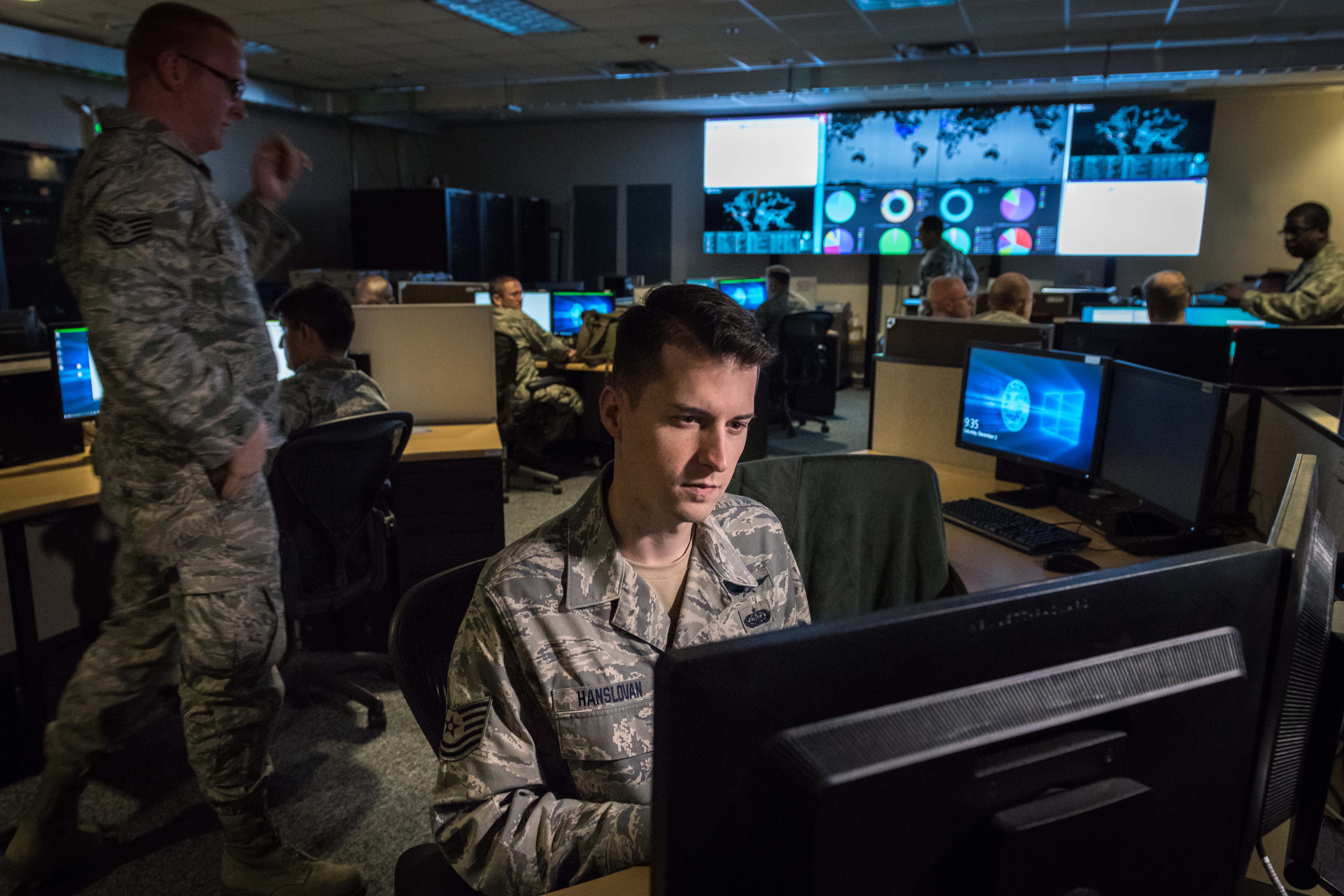
This paradox highlights a growing trend: the arms race for AI-driven cybersecurity is moving faster than the bureaucracy meant to regulate it. As nation-states scramble to achieve dominance in the digital theatre, the tension between AI safety guardrails and the cold reality of zero-day exploits is reaching a breaking point.
When “Safety” Meets the Battlefield
At the heart of the conflict is a fundamental disagreement over utility. Anthropic’s refusal to strip away AI guardrails for military use—a move that cost them a lucrative $200 million DOD contract—is rooted in the company’s commitment to avoiding mass surveillance and autonomous weaponry. However, the intelligence community views these same guardrails as a liability.

In the world of offensive cyber warfare, speed is the ultimate currency. If your adversary is using an AI model that can identify and exploit a vulnerability in seconds, waiting for a “90-day vulnerability report” is a tactical death sentence. The integration of “embedding engineers” from private firms directly into federal agencies suggests that the government is no longer waiting for off-the-shelf solutions; they are co-developing the weapons of the next decade in real-time.
Pro Tip: Watch for the shift from “general purpose” AI to “specialized domain” models. Future defense contracts will likely favour companies that provide “air-gapped” or highly customizable models that can be fine-tuned for specific intelligence workflows without needing cloud-wide access.
The Supply Chain Paradox
The label of “supply chain risk” is a heavy hammer, historically reserved for foreign entities like Huawei or ZTE. Applying this to a domestic leader like Anthropic creates a massive legal and logistical headache. We are seeing a new era of “Geopolitical AI,” where a company’s software architecture is viewed with the same scrutiny as a hardware component coming from a rival nation.
This creates a complex landscape for investors and enterprise clients. If a firm is a “risk” to the DOD, does that make it a risk for private corporations in the defense supply chain? The contradictory court rulings surrounding these bans suggest that the legal framework for AI governance is still in its infancy, leaving tech giants in a state of high-stakes limbo.
What This Means for the Future of AI Development
The fact that Anthropic’s Claude AI is now reportedly helping to accelerate its own development cycles points toward a future of recursive AI growth. As models become more capable of iterating on their own code, the demand for human oversight—and the potential for “slowing down” development—will become a major point of contention between private enterprise and federal regulators.
Did You Know? The concept of “zero-day exploits” is evolving. Experts now refer to “zero-second” windows, where AI-powered systems detect, patch, or exploit vulnerabilities before a human analyst even receives an alert.
Frequently Asked Questions
- Why would the NSA use a tool the DOD considers a risk? Intelligence agencies often prioritize capability and tactical superiority over the broad administrative policies of the Department of Defense, especially when the technology in question provides a unique advantage against foreign adversaries.
- What is a “frontier model” in this context? A frontier model refers to a highly capable AI system at the cutting edge of current research, which poses significant risks if misused but offers unparalleled power in data analysis and code generation.
- How do “embedded engineers” change the relationship between tech and government? Embedding staff allows for the rapid customization of AI models, ensuring they meet the specific, often classified, needs of an agency without the friction of traditional procurement cycles.
The Path Forward
As we look ahead, expect to see a rise in “Sovereign AI” initiatives—private-public partnerships where the government provides the infrastructure and the private sector provides the intelligence, all while navigating a complex web of ethical guardrails. The companies that succeed will be those that can successfully balance the “lawful purposes” of the government with the public demand for ethical, safe, and secure AI.
What are your thoughts on AI being used in offensive cyber operations? Should tech companies be forced to comply with military demands, or is their autonomy essential for the long-term safety of the technology? Let us know your take in the comments below.