
Nvidia RTX Spark: A Solution to a Problem It Helped Create
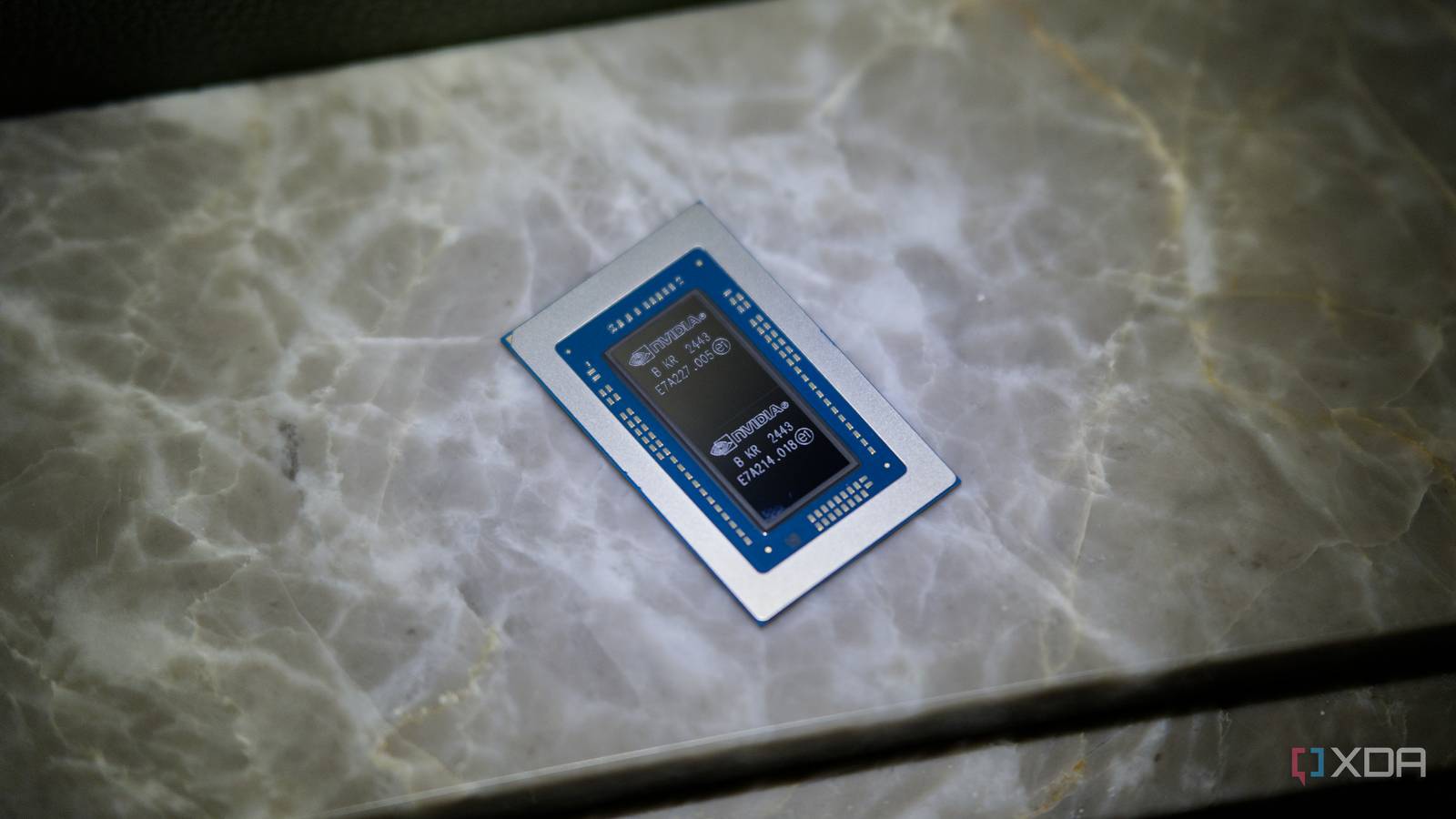
Nvidia’s RTX Spark brings a Blackwell-class chip with over 6,000 CUDA cores and up to 128GB of unified memory to thin-and-light laptops. While Microsoft CEO Satya Nadella aims to provide “unmetered intelligence to every home and every desk,” the hardware arrives amid a global DRAM price surge and an estimated $3,000 entry price.
Why is the RTX Spark arriving during a hardware pricing crisis?
The RTX Spark enters a consumer market currently squeezed by extreme component costs. According to industry data, global DRAM prices surged by up to 300% in March 2026. This spike isn’t an accident. The same demand for AI accelerators that fueled Nvidia’s growth caused manufacturers to shift production capacity toward High-Bandwidth Memory (HBM) for data centers.
This shift created a downstream shortage affecting DDR5 and DDR4 memory, as well as GPUs. Consumers have dealt with these shortages since June 2025. Now, Nvidia is offering a high-end local inference machine at a time when the components required to build it have become significantly more expensive for the average buyer.
How does the RTX Spark compare to AMD’s AI hardware?
Nvidia isn’t the only player building large unified memory systems for local AI. AMD’s Ryzen AI Max 400, known as Strix Halo, hit the market months earlier. According to product specifications, AMD’s premium configurations cost considerably less than the expected $3,000 price point of the RTX Spark.

| Feature | Nvidia RTX Spark | AMD Ryzen AI Max 400 |
|---|---|---|
| Architecture | Blackwell-class | Strix Halo |
| Memory | Up to 128GB Unified | Large Unified Memory |
| Price Point | Estimated $3,000+ | More Accessible/Lower |
Despite AMD’s price advantage, Nvidia maintains a lead through its software. The CUDA ecosystem has years of investment that AMD’s ROCm still struggles to match. For most AI developers, CUDA is the practical standard, which allows Nvidia to set higher prices without losing its core developer base.
Is Nvidia still focusing on the consumer market?
Financial data suggests a massive strategic pivot. Of Nvidia’s $68.1 billion quarterly revenue, more than 91% now comes from its data center business. The company is no longer primarily a consumer graphics card manufacturer; it’s a data center giant pushing its ambitions downstream into the home.
This creates a tension in the market. While Satya Nadella speaks of “unmetered intelligence” for every desk, the actual product—the RTX Spark—functions more as a high-priced demo for the wealthy or professional few. The remaining 9% of Nvidia’s market is effectively funding a vision of the future that is currently unaffordable for the average user.
What happens to local AI accessibility next?
The “hardware accessibility problem” persists because the software layer is locked behind a hegemony. When one company controls the software ecosystem (CUDA), the natural market mechanism that keeps prices honest stops working. Consumers aren’t just paying for silicon; they’re paying for the only software environment most AI tools support.

Future trends suggest a battle between “accessible” AI hardware from AMD and “premium” integrated ecosystems from Nvidia. Whether other, cheaper configurations of the Spark platform arrive will determine if “AI for every desk” is a reality or just a corporate directive.
Frequently Asked Questions
What is the RTX Spark?
It’s a Blackwell-class laptop chip featuring over 6,000 CUDA cores, a 20-core ARM CPU, and up to 128GB of unified memory designed for local AI inference.
Why is it so expensive?
The estimated $3,000 price is driven by high-end specs and a global shortage of DRAM, which saw prices rise up to 300% in March 2026.
How does CUDA affect the price?
CUDA is the dominant software platform for AI developers. Because there are few viable alternatives to CUDA, Nvidia can maintain higher price points for its hardware.
Do you think $3,000 is a fair price for local AI power, or is the industry pricing out the average user?
Let us know in the comments below or subscribe to our newsletter for the latest updates on AI hardware.