

Obama Center Opens in Chicago as Donald Trump Stays Away
Former President Barack Obama inaugurated the Obama Center in Chicago, emphasizing global cooperation over unilateral dominance. Attended by former German Chancellor Angela Merkel and all other living former U.S. presidents, the event highlighted a stark diplomatic divide, as President Donald Trump remained absent from the ceremony.
Why is the Obama Center changing the model for presidential legacies?
The Obama Center moves beyond the traditional presidential library by integrating directly into an urban academic environment. Located near the University of Chicago—where Obama once taught law—the center functions as a community hub rather than a static archive. This shift suggests a trend where future leaders will build “active” legacies that prioritize ongoing civic engagement over the mere preservation of documents.
Traditional libraries often serve as remote repositories. In contrast, the Obama Center’s proximity to a major research institution allows for a continuous loop between historical record and current academic study. This model aims to keep the administration’s philosophy of “cooperation” accessible to students and city residents in real-time.
What happens next for the tension between multilateralism and unilateralism?
The opening ceremony served as a platform for a clear ideological contrast. In his speech, Obama stated that nations become “wealthier and safer” when they choose cooperation over the desire to “dominate, tyrannize, and exploit every advantage.” This framing sets the stage for a long-term geopolitical debate: whether the U.S. should lead through coalition-building or through assertive, independent action.
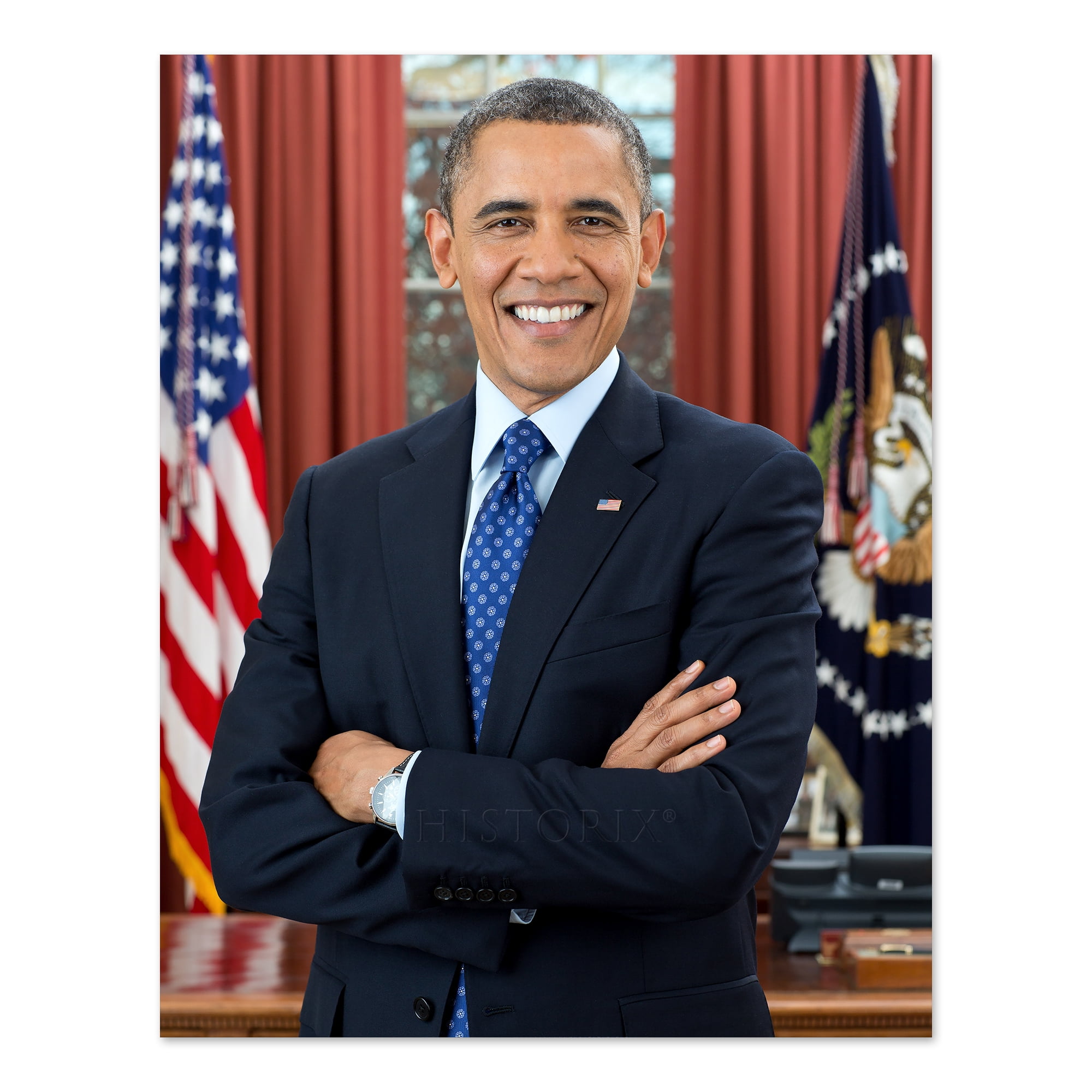
According to the event’s proceedings, the presence of international leaders like Angela Merkel underscores a preference for the multilateral approach. The trend indicates a growing divide in how global superpowers view sovereignty. While one side advocates for integrated global systems, the opposing view—associated with the “aggressive political style” of Donald Trump—prioritizes national interest above international agreements.
This friction likely will define future trade deals and security pacts. If the “cooperation” model gains traction, expect more regional alliances. If the “dominance” model prevails, expect a rise in bilateral agreements that favor the strongest party.
How does the absence of Donald Trump signal a shift in political norms?
The fact that every living former U.S. president attended the event except for Donald Trump marks a significant departure from historical norms. Typically, presidential libraries and centers serve as bipartisan gatherings that signal the stability of the American executive branch. Trump’s absence transforms a celebratory event into a symbol of political fragmentation.
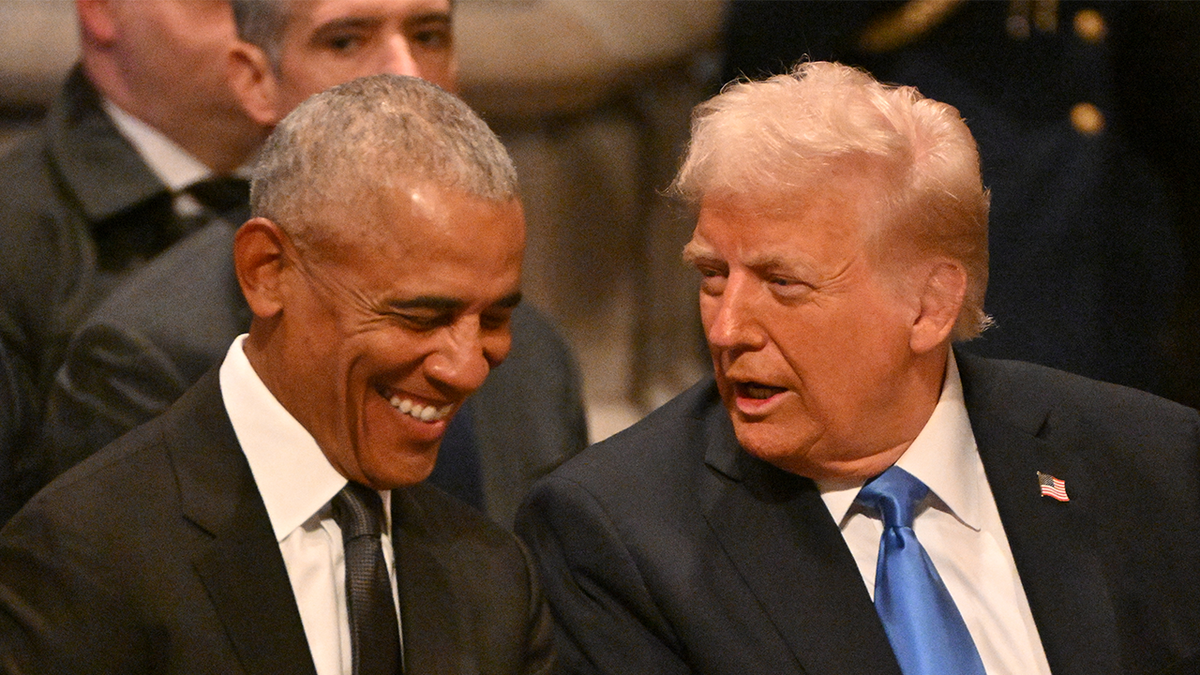
This break in tradition suggests that the “presidential club” is no longer a unified entity. Future inaugurations of presidential centers may become polarized events, where attendance is used as a political statement rather than a gesture of professional courtesy. This trend mirrors the broader polarization seen in the U.S. Congress and the electorate.
Comparison: Cooperation vs. Dominance
| Feature | Multilateralism (Obama) | Unilateralism (Trump) |
|---|---|---|
| Primary Goal | Collective security and shared wealth | National advantage and dominance |
| Diplomatic Tool | International coalitions | Bilateral pressure/negotiation |
| View of Allies | Partners in a stable system | Competitors or dependents |
Frequently Asked Questions
Where is the Obama Center located?
The center is located in Chicago, Illinois, situated near the University of Chicago.
Who attended the Obama Center opening?
Attendees included various U.S. celebrities, former German Chancellor Angela Merkel, and all living former U.S. presidents with the exception of Donald Trump.
What was the main theme of Barack Obama’s speech?
Obama focused on the necessity of international cooperation over political unilateralism, arguing that collaboration makes all nations safer and more prosperous.
Do you believe global stability depends more on cooperation or strong national leadership?
Share your thoughts in the comments below or subscribe to our newsletter for more deep dives into global political trends.