
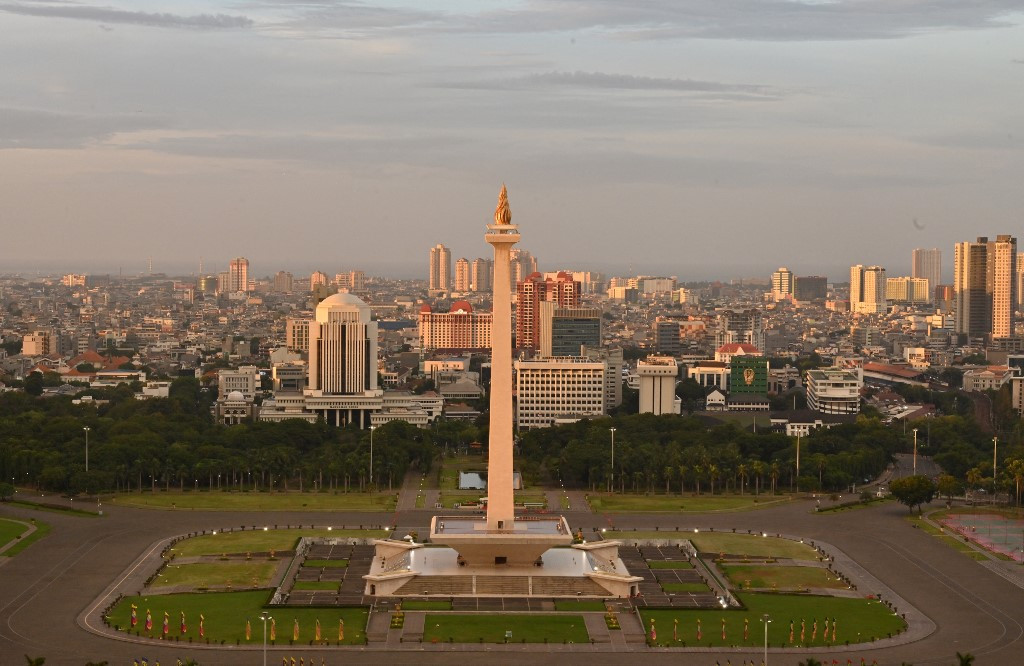
OECD Forecasts Indonesia’s Economic Growth to Slow to 4.7% This Year
Indonesia’s Economic Balancing Act: Navigating the Path to 5% Growth
For years, Indonesia has been viewed as the “sleeping giant” of Southeast Asia. With a massive population and abundant natural resources, the trajectory seemed straightforward. However, recent data from the OECD suggests a more complex narrative. While the economy remains resilient, a projected slowdown to 4.7% highlights a critical inflection point.
The narrative is no longer just about raw growth numbers. it is about the quality of that growth. As the nation grapples with fluctuating energy costs and a shifting labour market, the focus is shifting from export-led booms to the sustainable power of domestic consumption.
The Domestic Demand Engine: A Double-Edged Sword
Domestic demand has long been Indonesia’s shield against global volatility. When commodity prices dip, the sheer volume of internal consumption keeps the economy afloat. But this shield is showing signs of wear.
A dip in retail sales and softening consumer confidence suggests that the average household is feeling the pinch. This is often a result of “cost-push inflation,” where the rising price of energy and basic goods eats into the disposable income of the middle class.
To maintain momentum, the trend is shifting toward digital financial inclusion. The rise of e-wallets and fintech in cities like Jakarta and Surabaya is allowing smaller merchants to enter the formal economy, potentially offsetting the slump in traditional retail.
Why Net Exports are Neutralizing
Traditionally, Indonesia relied heavily on coal and palm oil. However, as the world pivots toward green energy, the “commodity windfall” is becoming less predictable. The strategic move toward downstream industrialization (hilirisasi)—processing raw minerals like nickel domestically—is the long-term play to ensure exports contribute more to GDP.
The labour Market Puzzle: Beyond the Numbers
The OECD’s mention of a “weakening labour market” is perhaps the most concerning signal. Growth is meaningless if it doesn’t translate into stable, high-paying jobs for a young population.
We are seeing a structural shift. While government consumption may spike during election cycles or infrastructure pushes, the private sector is struggling to create formal employment that matches the skills of the new workforce.
The trend moving forward will be upskilling and vocational pivots. The gig economy has provided a temporary safety net, but for Indonesia to hit that 5% growth target by 2027, there must be a transition from “informal survival” to “formal productivity.”
Policy Uncertainty and the Investment Gap
Capital is cowardly; it flees at the first sign of instability. “Policy uncertainty” is a polite way of saying that investors are hesitant about regulatory shifts. Whether it’s changes in tax laws or shifts in environmental mandates, clarity is the primary currency for Foreign Direct Investment (FDI).
For Indonesia to attract the capital needed for its “Golden Indonesia 2045” vision, it must streamline its bureaucracy. The trend is moving toward Omnibus-style regulations that aim to cut red tape, but the implementation on the ground often lags behind the legislation in Jakarta.
You can read more about how regulatory shifts affect regional trade in our ASEAN Market Trends guide.
Future Outlook: What to Watch
Looking ahead, Indonesia’s path to 5% growth depends on three critical pillars:
- Energy Transition: Reducing reliance on fossil fuel subsidies to free up fiscal space for education and healthcare.
- Middle-Class Resilience: Stabilizing the cost of living to ensure that household spending doesn’t continue to slide.
- Infrastructure ROI: Ensuring that the massive spending on toll roads and ports actually lowers logistics costs for local businesses.
Frequently Asked Questions
The slowdown is primarily attributed to higher energy costs, uncertainty in government policy, and a cooling labour market, all of which dampen consumer spending and business investment.
Domestic demand is the primary driver of growth. Because Indonesia has a massive internal market, it is less dependent on global exports than many of its neighbours, though this demand is currently being pressured by inflation.
Downstreaming (processing raw materials locally) increases the value of exports, creates higher-skilled jobs, and attracts long-term foreign investment in manufacturing rather than just mining.
Join the Conversation
Do you think Indonesia can break the “middle-income trap” and sustain 5% growth? Or are global headwinds too strong?
Share your thoughts in the comments below or subscribe to our newsletter for weekly deep-dives into the Asian economy.