

Oil Price Outlook: Low Reserves and the Hormuz Strait Crisis
North Sea oil prices have dropped to approximately $80 per barrel, the lowest level since early March, according to market data. Despite this dip, energy experts warn that critical supply shortages and depleted reserves at the Cushing, Oklahoma storage hub—currently holding 21.6 million barrels—could drive prices back toward the $90–$110 range in the coming months.
Why are oil prices fluctuating despite the recent drop?
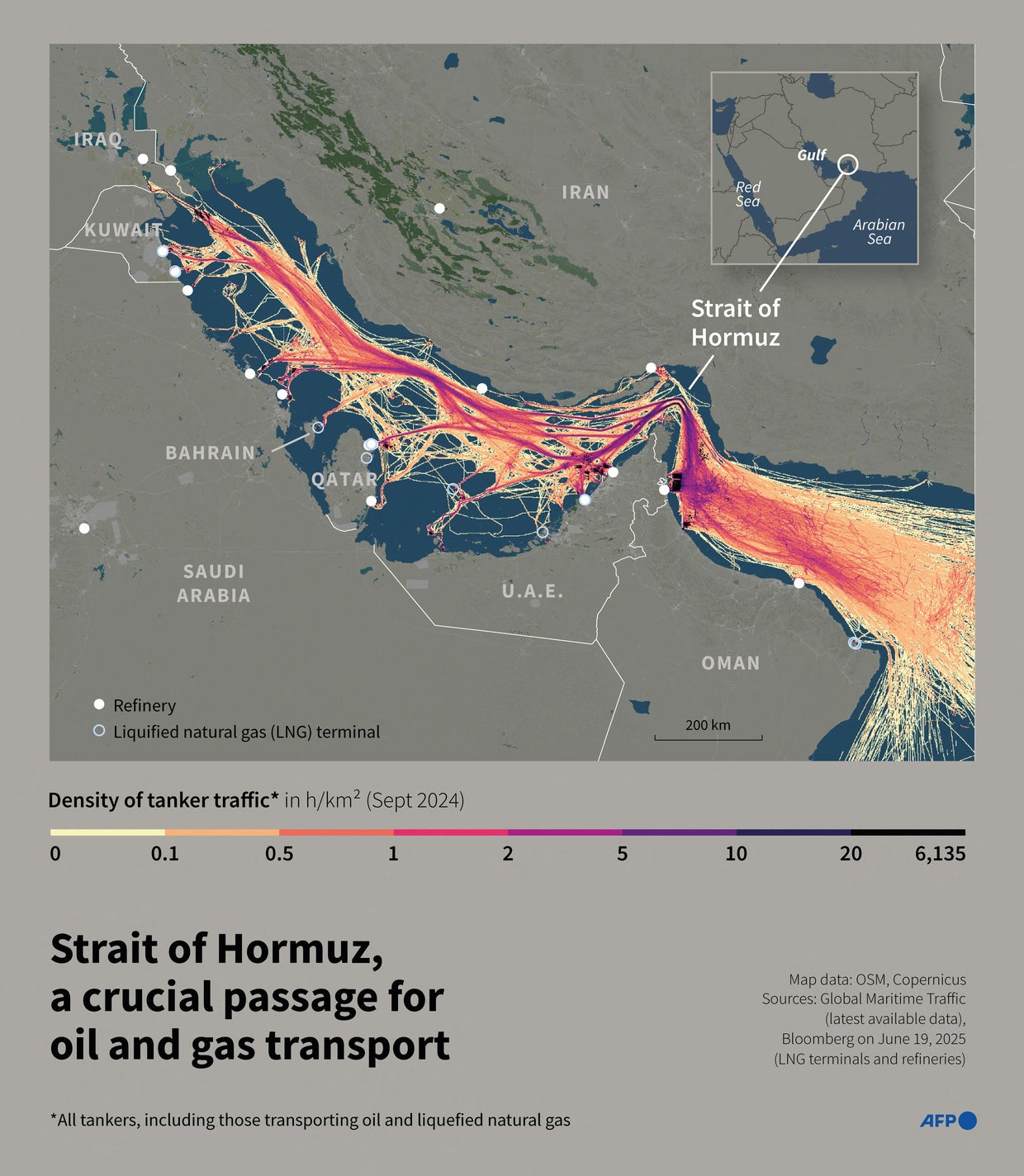
Prices fell from a recent peak of over $110 per barrel to around $80. However, this decline may be temporary. The global market remains strained following the closure of the Hormuz Strait, a vital shipping route for 20% of the world’s oil production, due to conflict between the U.S. and Iran.

Trond Omdal, a portfolio manager at Pensum Asset Management, previously estimated prices could hit $150. While he has since lowered that projection, Omdal maintains that the market will remain under-supplied for several months. He expects prices to stabilize between $90 and $110.
What happens if the Cushing oil hub hits its limit?
The storage facility in Cushing, Oklahoma, acts as the “central nervous system” of the U.S. energy market. According to U.S. energy authorities, current inventories have plummeted to 21.6 million barrels. This is a sharp decline from the typical range of 40 to 70 million barrels.
CNN reports that once reserves fall below 20 million barrels, the hub is effectively empty. When this happens, the market faces “demand destruction,” where the available supply simply cannot meet global needs. This is particularly critical as diesel stocks have reached their lowest levels since 2003.
Cushing Storage Levels: Current vs. Normal
| Status | Oil Volume (Barrels) |
|---|---|
| Normal Range | 40 million – 70 million |
| Current Level | 21.6 million |
| Critical “Empty” Threshold | Under 20 million |
How will the U.S.-Iran agreement affect the Hormuz Strait?
A 60-day intention agreement between the U.S. and Iran may lead to the reopening of the Hormuz Strait. While President Donald Trump has suggested a rapid reopening, Trond Omdal of Pensum Asset Management believes the process will be slower than the administration claims.
Thina Saltvedt, an energy expert at Nordea, notes that physical obstacles remain. The process of removing naval mines takes time, and she suggests a 30-day window may be too optimistic. Furthermore, shipping companies remain skeptical. Knut Arild Hareide, leader of the Norwegian Shipowners’ Association (Rederiforbundet), told DN that shipping companies will not conclude the route is safe until the agreement is fully verified.
What are the main obstacles to a permanent peace deal?
The current agreement is a short-term measure, though Omdal expects Trump to extend it. Long-term stability depends on several unresolved conflicts:
- Regional Influence: Iran insists that Lebanon and Hezbollah be included in the agreement. Israel strongly opposes this.
- Nuclear Capabilities: Saltvedt identifies Iran’s nuclear enrichment program as the most difficult hurdle. Iran claims the program is for civilian use, while Israel and the U.S. view it as a path to nuclear weapons.
- Infrastructure Damage: It remains unclear how much damage to Gulf state infrastructure will limit long-term production capacity.
Frequently Asked Questions
Will gas prices drop if oil hits $80?
Not necessarily. Trond Omdal notes that because the market remains under-supplied, pump prices may not drop significantly despite the dip in crude prices.
What is “demand destruction”?
It occurs when the supply of a commodity, like oil, becomes so low or expensive that consumers are forced to stop using it or find alternatives, effectively killing the demand.
Why is the Cushing hub so important?
Cushing is the primary delivery point for U.S. oil contracts. When its levels drop, it signals a systemic shortage that can trigger price spikes worldwide.
Want to stay updated on global energy shifts?
Join our newsletter for real-time analysis of oil markets and geopolitical risks, or share your thoughts on the U.S.-Iran deal in the comments below.