

Oil Price Trends: Market Drivers and Impact on Gas Prices
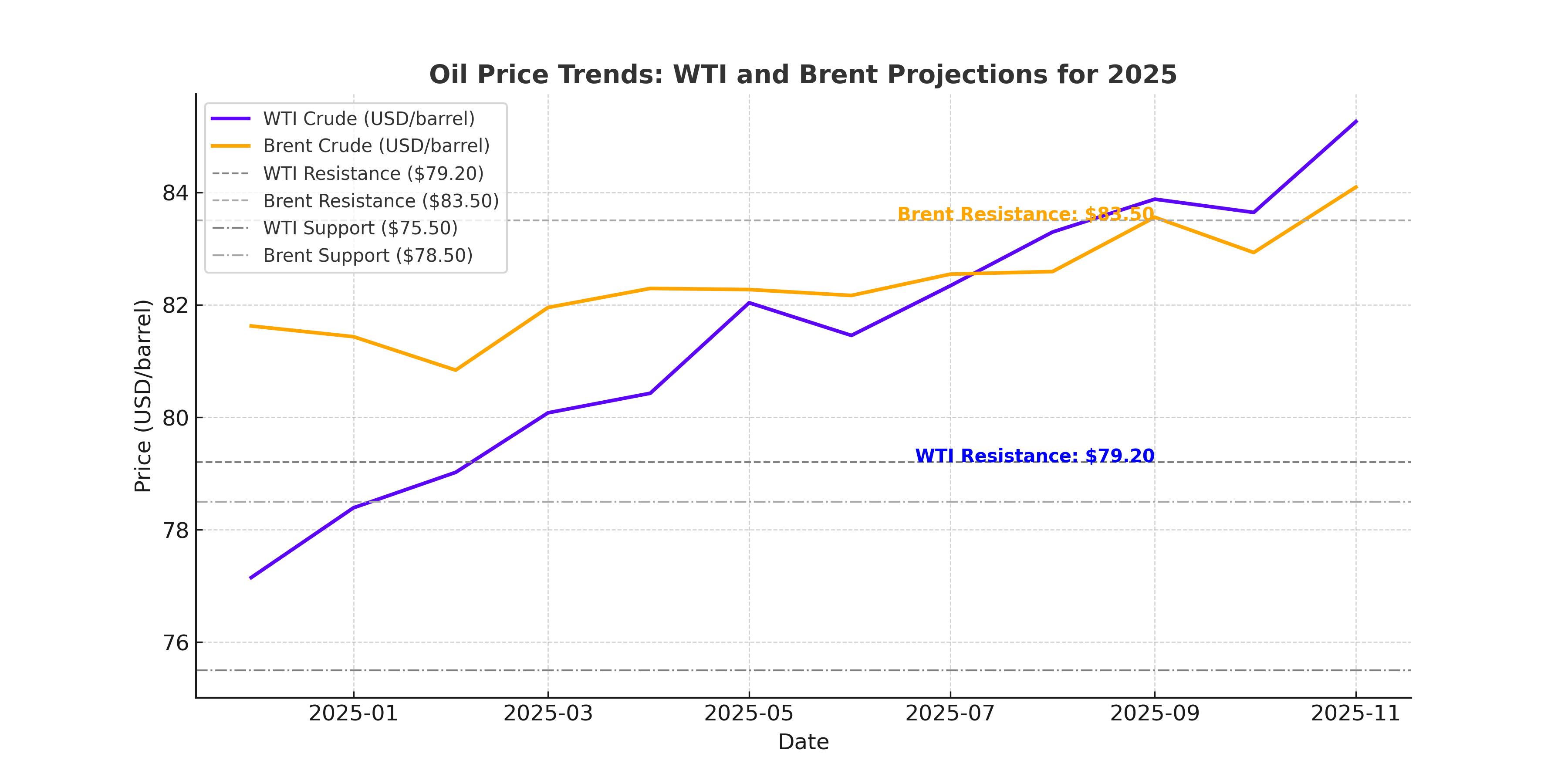
As of 9:10 a.m. Eastern Time today, Brent crude oil is trading at $97.15 per barrel. This figure represents an 84-cent decline from yesterday morning and reflects a significant $30 increase over the past year. While prices fluctuate based on global supply and demand, the current market remains sensitive to geopolitical tensions and shifts in energy policy.
Why Oil Prices Impact Your Wallet
The price of crude oil is the primary driver behind the cost of gasoline at the pump, typically accounting for more than half of the final price per gallon. While crude oil is the main component, consumers also pay for refining, wholesale distribution, taxes, and local station markups.
When crude prices spike, gas prices at the pump generally follow. However, consumers often experience the “rockets and feathers” effect: gas prices rise rapidly when oil costs increase, but they take significantly longer to drift downward when oil prices fall.
What May Happen Next
Predicting the future of oil prices remains difficult, as the market is driven by shifting supply and demand dynamics. If threats of war or economic downturns intensify, the trajectory of oil prices could change rapidly.
Furthermore, energy markets may see secondary effects, such as increased demand for natural gas. If oil prices climb, industries that have the capability to substitute energy sources may switch to natural gas, which in turn could drive up costs for that fuel as well. Meanwhile, the U.S. Strategic Petroleum Reserve remains a tool for immediate relief during supply shocks, though it is not a long-term solution for energy pricing.
Frequently Asked Questions
How is the current price of oil per barrel determined?
Prices are largely set by supply and demand, including geopolitical news and decisions by OPEC+. In the U.S., policy decisions also play a role; for example, the 2025 decision by the Trump administration to reopen over 1.5 million acres in the Arctic National Wildlife Refuge for leasing reversed previous limitations on drilling, which can influence future supply expectations.
How often does the price of oil change during the day?
Prices update constantly while futures markets are open. Because a futures market functions as an auction where contracts are traded, the price shifts continuously as long as participants are buying and selling.
How does U.S. shale oil production affect the current price of oil?
Shale acts as a source of untapped energy. By increasing access to shale oil, the U.S. can boost its total energy supply, which may help mitigate price spikes that would otherwise occur during periods of constrained supply.
How do you think shifts in domestic energy policy will influence your personal fuel expenses in the coming year?