

Omega-3 Supplements Fail to Prevent Alzheimer’s and Memory Loss
High-dose DHA supplements do not prevent Alzheimer’s-related memory loss or brain shrinkage in high-risk seniors, according to a University of Southern California (USC) study published in The Lancet. Despite a 17% increase in DHA levels in cerebrospinal fluid, the supplements failed to improve cognition or preserve hippocampal volume over two years.
Why didn’t high-dose DHA supplements stop cognitive decline?
A randomized, double-blind, placebo-controlled trial conducted by USC researchers found that 2,000 mg of daily DHA did not improve memory or brain function in adults aged 55 to 80. The study tracked 365 participants who rarely ate fish and faced an increased risk of Alzheimer’s disease.
Nearly half of the participants (47%) carried the APOE4 gene, the primary genetic risk factor for late-onset Alzheimer’s. Even within this high-risk group, those taking the DHA supplements performed no better on cognitive tests than those receiving a placebo.
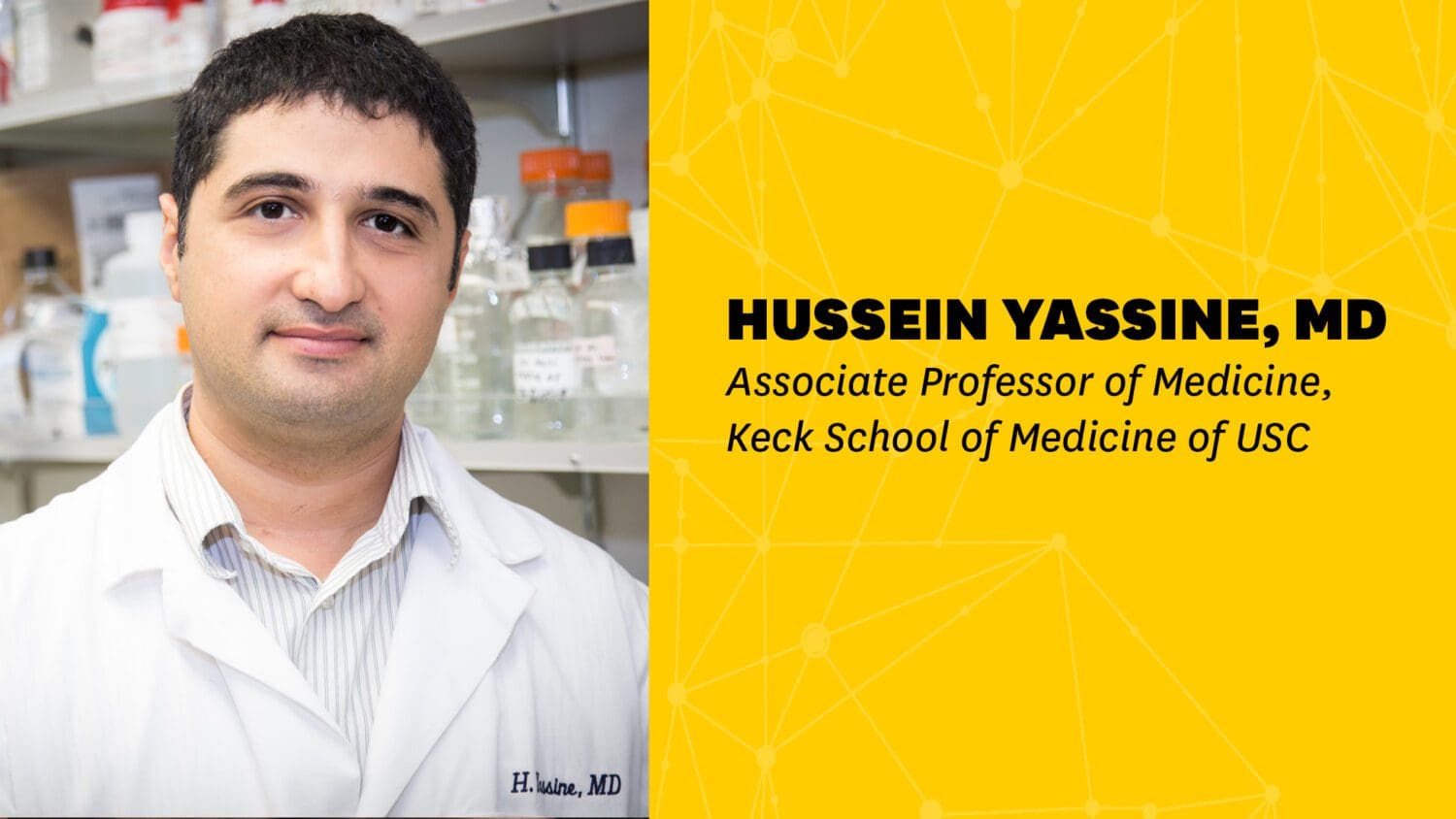
Pr Hussein Yassine, the study’s lead author, stated that while the hope for a “miracle solution” to prevent Alzheimer’s exists, the results show fish oil supplements don’t seem to protect brain health in this context.
Does DHA actually reach the brain in supplement form?
The USC research revealed a biological paradox: the DHA reached the target but didn’t trigger the desired effect. Researchers measured DHA concentrations in the cerebrospinal fluid—the liquid surrounding the brain and spinal cord—to ensure the nutrient wasn’t simply staying in the bloodstream.
After six months, DHA levels in the cerebrospinal fluid rose by an average of 17% in the supplemented group. This proves the supplement successfully crossed the blood-brain barrier.
However, MRI scans showed no protective effect on the hippocampus, the brain region critical for memory. The loss of hippocampal volume, a known marker of brain aging and Alzheimer’s risk, progressed at the same rate for both the DHA group and the placebo group.
Is a Mediterranean diet more effective than fish oil pills?
The failure of isolated DHA supplements suggests a shift in how nutritional neurology is viewed. Pr Yassine noted that omega-3s are essential for forming connections between brain cells, but the delivery method matters.
Researchers suspect these fatty acids work more effectively when consumed as part of a whole-food dietary pattern. The Mediterranean diet—rich in fatty fish, vegetables, fruits, and vegetable oils—is often cited as a superior model for brain health compared to single-nutrient supplementation.
This suggests a trend toward “synergistic nutrition,” where the combination of antioxidants and healthy fats in real food provides a protective effect that a single capsule cannot replicate. You can learn more about the benefits of the Mediterranean diet here.
What happens next for Alzheimer’s prevention?
The USC findings push the medical community away from “one-size-fits-all” supplementation. Future trends in dementia prevention are likely to move toward personalized nutrition based on genetic markers like APOE4.
Because the 17% increase in brain DHA didn’t stop hippocampal shrinkage, researchers may now look for the “missing link”—other nutrients or lifestyle factors that must be present for DHA to actually function as a neuroprotective agent.
According to the data published in The Lancet, the focus is shifting from supplementing a deficiency to optimizing a total lifestyle. This includes combining diet with physical activity and cognitive engagement to maintain brain volume.
Comparison: Supplements vs. Whole Foods
| Feature | DHA Supplements (USC Study) | Mediterranean Diet |
|---|---|---|
| Brain DHA Levels | Increased by 17% | Natural maintenance |
| Hippocampal Volume | Continued to decline | Associated with slower decline |
| Cognitive Outcome | No significant improvement | Strong correlation with health |
Frequently Asked Questions
Do omega-3 supplements do anything for the brain?
They increase DHA concentrations in the brain, but according to the USC study, this increase doesn’t automatically translate to better memory or prevention of brain shrinkage in high-risk seniors.
Should I stop taking fish oil?
You should consult your doctor. While this study focused on Alzheimer’s prevention in high-risk seniors, omega-3s may still be useful for other health conditions.
Can the APOE4 gene be countered by diet?
The USC study found that DHA supplements didn’t provide a specific advantage for APOE4 carriers, reinforcing the idea that a comprehensive lifestyle approach is more likely to be effective than a single supplement.
What’s your take on the “supplement vs. whole food” debate? Do you prioritize a specific diet for brain health? Let us know in the comments below or subscribe to our newsletter for the latest updates in longevity science.