
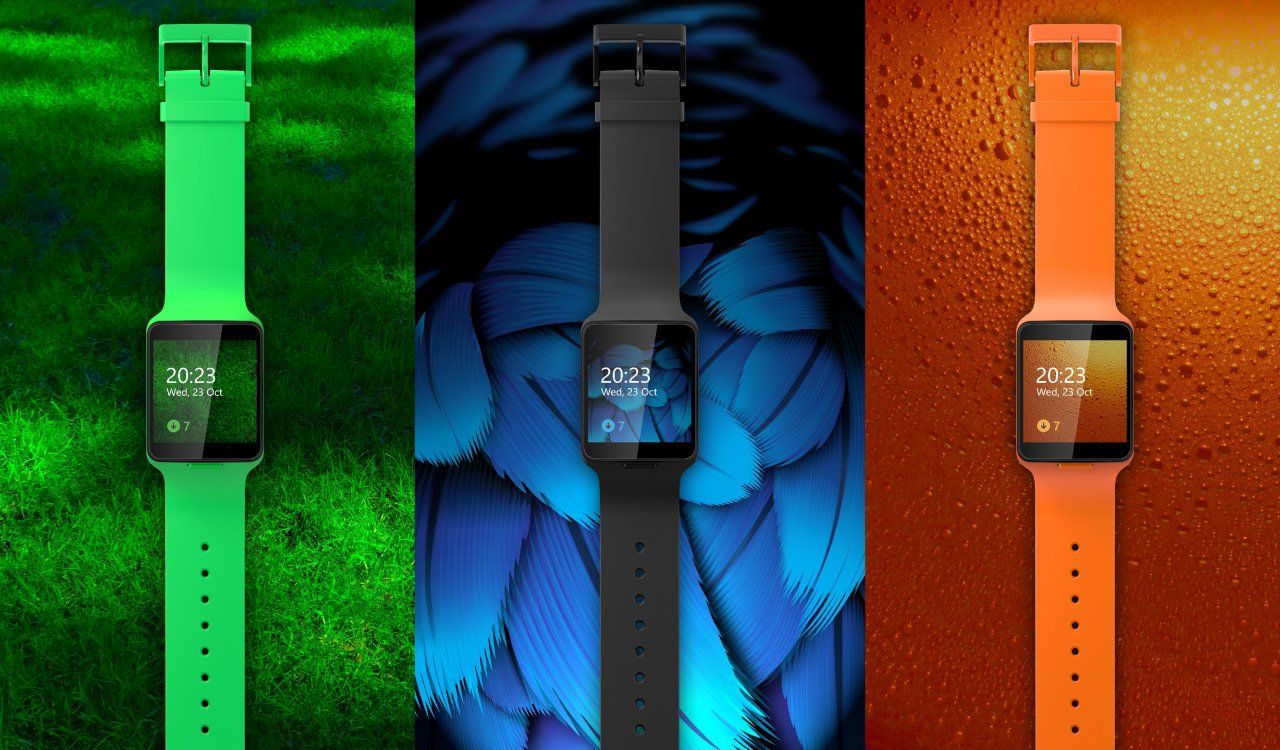
On this day: Microsoft’s unreleased Moonraker smartwatch still feels ahead of its time
Microsoft canceled the Moonraker (model LS-50), a Nokia-developed smartwatch featuring a Windows Phone “Modern UI,” shortly after acquiring Nokia’s devices division. According to reporting from The Verge, the device was intended to launch alongside the Lumia 930 but never reached consumers despite prototypes appearing at Mobile World Congress.
Why was the Microsoft Moonraker canceled?
Microsoft terminated the Moonraker project during its acquisition of Nokia’s devices and services division. The Verge reported that sources familiar with Nokia’s plans confirmed the Finnish company had already developed working prototypes. These devices were shown to potential customers at Mobile World Congress before the project was scrapped.
The cancellation coincided with Microsoft’s struggle to integrate Nokia’s hardware pipeline into its own ecosystem. While the Moonraker was designed to lean into the Metro design language of Windows Phone, Microsoft shifted its wearable focus toward the Microsoft Band, a fitness-centric tracker rather than a full-featured smartwatch.
How did the Moonraker’s design differ from current smartwatches?
The Moonraker utilized a “Modern UI” that mirrored the tile-based aesthetic of Windows Phone. This approach contrasted sharply with the direction the industry took after the Apple Watch reshaped the category. Instead of a circular, watch-like interface, the Moonraker embraced the bold colors and typography of the Metro design language.
According to images spotted by leaker Evan Blass on a Tumblr account owned by Microsoft design employee Pei-Chi Hsie, the device featured specific gesture controls. Users could read texts by lifting their arm or lower the watch to turn off the display. This focus on “glanceable” information is now a standard in Wear OS and watchOS, though the Moonraker attempted it through a different visual lens.
What does the failure of the Moonraker reveal about ecosystem integration?
The Moonraker’s disappearance highlights the risk of “ecosystem fragmentation.” Microsoft attempted to build a seamless link from the PC to the wrist, but the timing failed. By the time the hardware was ready, the software strategy for Windows Phone was already faltering.
Comparing the Moonraker to the later Microsoft Band shows a clear pivot. The Band was a specialized tool for health data, whereas the Moonraker was a general-purpose companion. This shift mirrors a broader industry trend where companies often move from “all-in-one” devices to specialized wearables before eventually merging them back into hybrid smartwatches.
What are the future trends for “lost” hardware prototypes?
The revival of interest in the Moonraker, ten years after its planned launch, suggests a growing market for “digital archaeology.” Collectors and tech historians now use platforms like X (formerly Twitter) and Tumblr to piece together the history of canceled hardware.
As AI-driven design becomes more common, the industry is seeing a return to the “bold” aesthetics the Moonraker championed. We’re seeing a move away from the generic black-rectangle screen toward more personalized, high-contrast interfaces that prioritize accessibility and rapid data consumption—the same goals the Metro UI aimed for a decade ago.
Comparison: Moonraker vs. Modern Wearables
| Feature | Moonraker (Prototype) | Modern Smartwatches |
|---|---|---|
| UI Philosophy | Metro/Tile-based | App-grid/Circular |
| Primary Goal | Windows Phone Extension | Health & Ecosystem Hub |
| Status | Canceled (Post-Nokia acquisition) | Mass Market |
Frequently Asked Questions
What was the Microsoft Moonraker?
It was a canceled smartwatch (model LS-50) developed by Nokia and later owned by Microsoft, designed to run a Windows OS with a Modern UI.

Did the Moonraker ever go on sale?
No. According to The Verge, Microsoft canceled the device around the time it acquired Nokia’s phone business.
Who leaked the Moonraker images?
The images were discovered on a Tumblr account belonging to Microsoft designer Pei-Chi Hsie and shared via Twitter by Evan Blass.
Do you think a “Metro-style” smartwatch would work today? Share your thoughts in the comments or subscribe to our newsletter for more deep dives into tech history.