
One enemy is too many’: Indonesia President Prabowo hits back at criticism of overseas trips
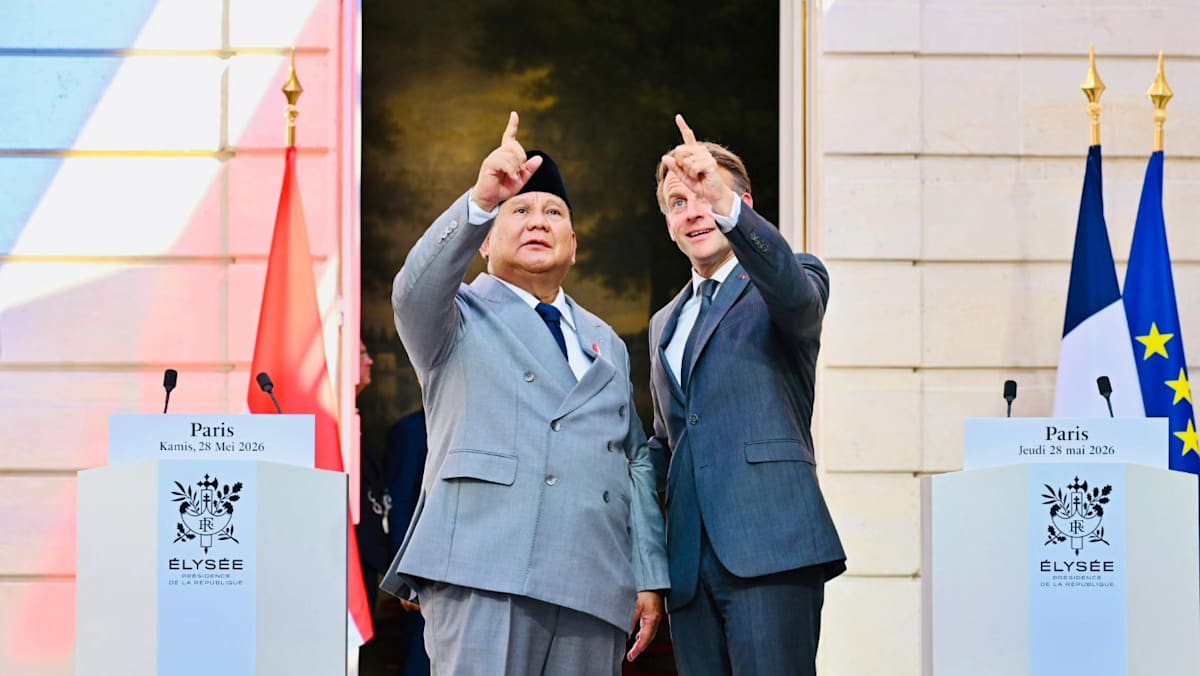
Indonesian President Prabowo Subianto has defended his frequent international travel as a pillar of the nation’s “free and active” foreign policy, despite domestic criticism regarding the frequency of his trips. According to the state-run news agency Antara, the president has completed 54 overseas visits to 29 countries in less than two years, a pace that significantly outstrips the travel records of his predecessors, Joko Widodo and Susilo Bambang Yudhoyono.
Why does the Indonesian president prioritize overseas travel?
President Prabowo maintains that high-level diplomacy is essential to navigating current global tensions. He stated on June 10 that his travel schedule is designed to preserve Indonesia’s influence and secure partnerships, citing a philosophy of “a thousand friends are too few, one enemy is too many.” By engaging directly with global leaders, including Russia’s Vladimir Putin and United States President Donald Trump, the administration aims to uphold the “bebas dan aktif” (free and active) doctrine established in 1948 by Mohammad Hatta.
The “free and active” foreign policy, or bebas dan aktif, prohibits Indonesia from joining formal military alliances. It ensures the nation remains independent while maintaining diplomatic ties with all global superpowers.
How do travel patterns differ between Indonesian administrations?
Data shows a sharp contrast in how recent Indonesian presidents have approached international statecraft. According to public records, Prabowo has visited 29 countries in under two years. In comparison, his predecessor, Joko Widodo, completed 16 state visits in his first full year, while Susilo Bambang Yudhoyono conducted 10 during the same timeframe. While critics question the fiscal efficiency of these frequent trips, the administration contends that the modern geopolitical climate requires a more visible presence on the world stage than in previous decades.
Pro Tip: Understanding Diplomatic Consistency
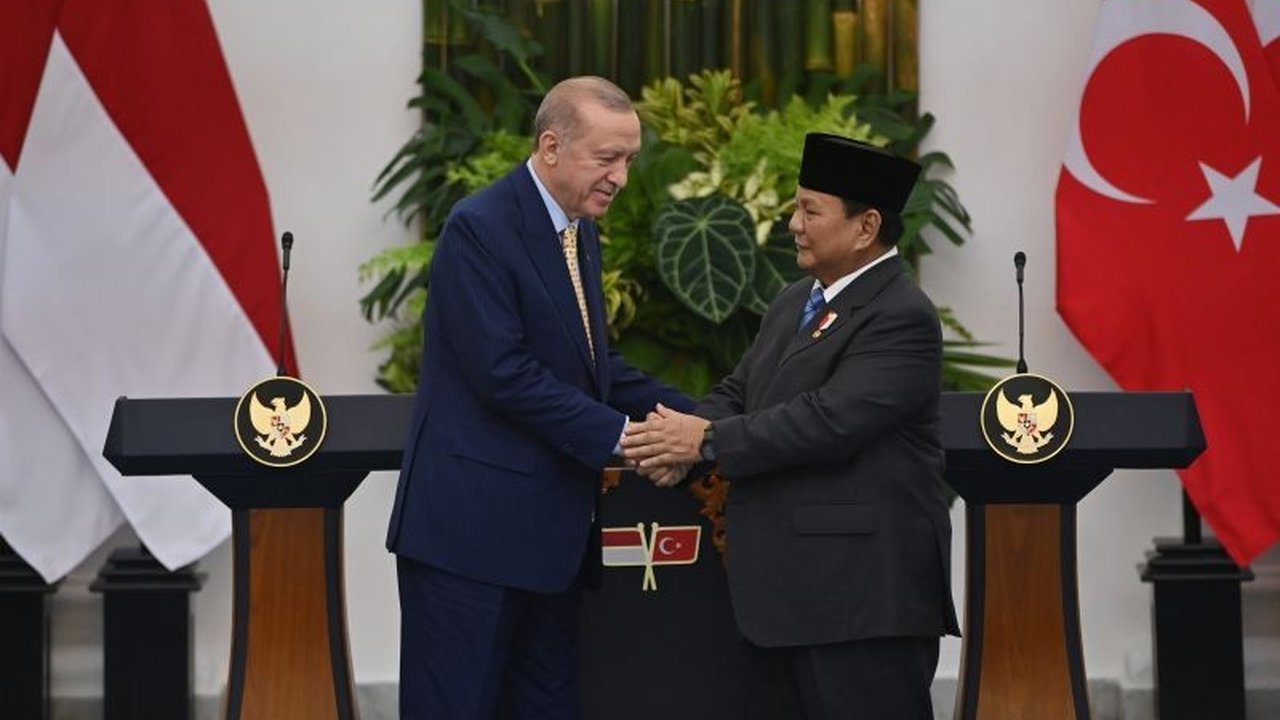
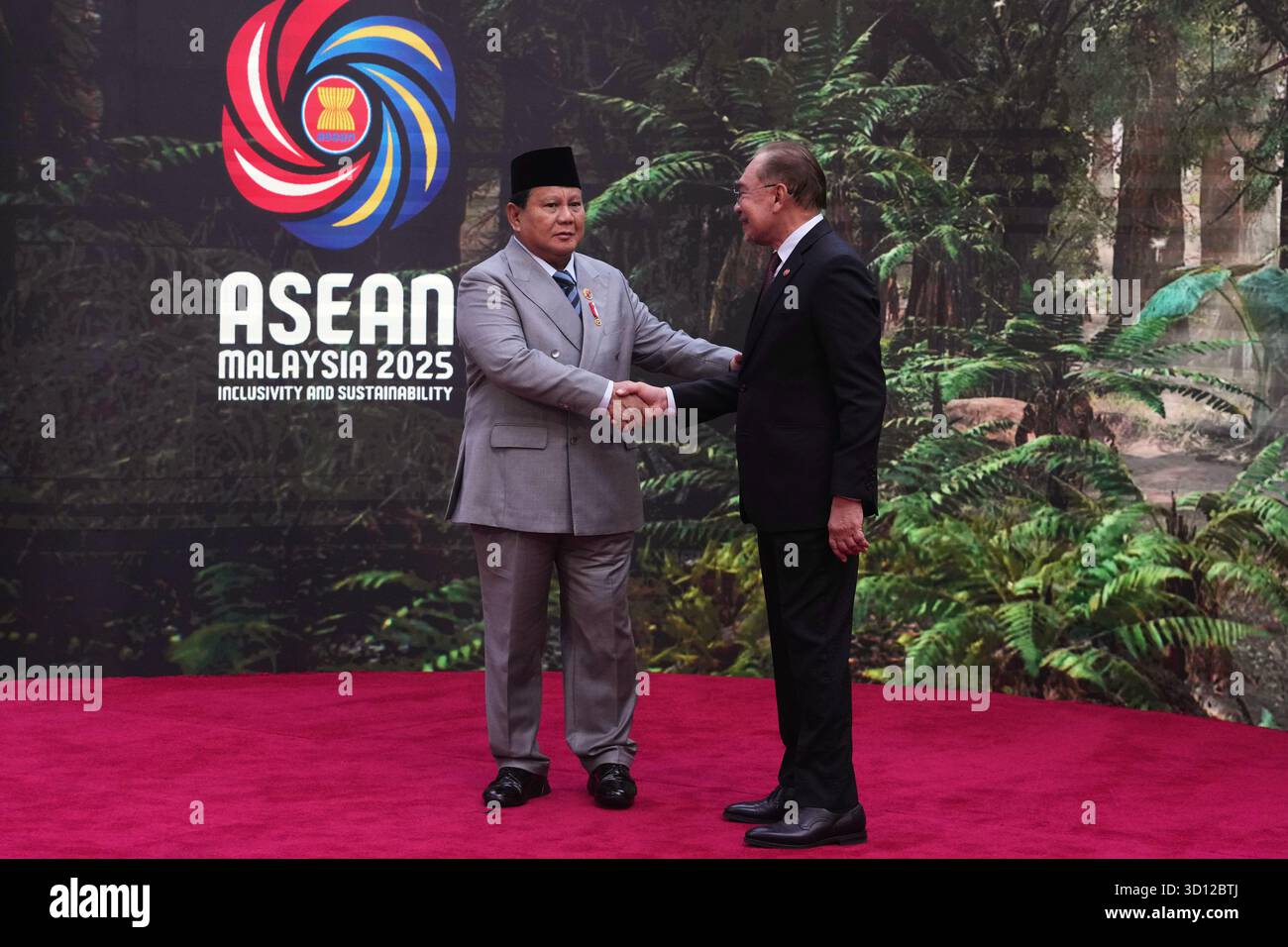
When analyzing foreign policy shifts, look at the frequency of visits to specific regional partners. Prabowo has visited Malaysia five times, suggesting that maintaining strong bilateral relations with immediate neighbors remains a primary administrative focus alongside his broader global engagement.
What are the long-term implications for Indonesia’s neutrality?
The core of Indonesia’s future foreign policy will likely remain tethered to its non-alignment principles. As global conflict impacts international trade and security, the administration’s strategy of maintaining “good relations” with polarized powers is intended to shield Indonesia from being swayed by superpower interests. This approach relies heavily on the personal rapport built by the president, as seen in his recent outreach to both Washington and Moscow.
Frequently Asked Questions
What is the “bebas dan aktif” policy?
It is Indonesia’s foundational foreign policy, established in 1948. It mandates that the country remain independent, refrain from joining military blocs, and avoid being influenced by the agendas of global superpowers.
Why are critics concerned about the travel frequency?
Critics have raised questions regarding fiscal efficiency and whether the high number of trips aligns with the country’s most pressing diplomatic priorities.
How many trips has President Prabowo made?
According to public travel records, President Prabowo has taken 54 overseas trips to 29 countries since taking office less than two years ago.
How do you view Indonesia’s approach to global diplomacy? Share your thoughts in the comments below or subscribe to our newsletter for more updates on Southeast Asian political trends.