
/strategic-health-operations-(sho)/operations-support-logistics-(osl)/warehouse-check-of-medical-supplies.tmb-1200v.jpg?sfvrsn=9ce68c01_1 "Open letter to leaders of G7, G20, BRICS and all nations on finalizing the WHO Pandemic Agreement’s Pathogen Access and Benefit Sharing annex")
Open letter to leaders of G7, G20, BRICS and all nations on finalizing the WHO Pandemic Agreement’s Pathogen Access and Benefit Sharing annex
Brazilian President Luiz Inácio Lula da Silva and World Health Organization (WHO) Director-General Dr. Tedros Adhanom Ghebreyesus have issued a joint call for world leaders to finalize the Pathogen Access and Benefit-Sharing (PABS) annex. Negotiators are set to meet from July 6 to July 17 to address the final, unresolved components of the WHO Pandemic Agreement, which remains stalled until the PABS annex is completed.
Did You Know? The International Monetary Fund estimates that the most recent pandemic cost the global economy over thirteen trillion dollars in lost output, a figure that includes the impact of shuttered businesses, disrupted schooling, and broken supply chains.
Why the PABS Annex Remains Unfinished
The PABS annex is designed to create a formal, predictable system for sharing information about dangerous pathogens. According to President Lula da Silva and Dr. Tedros, the current process for accessing data and the resulting medical tools is often improvised during the middle of a crisis. Negotiators have faced difficulty reaching consensus on how to define and share the benefits derived from these pathogens, as well as how to guarantee equity across the system.
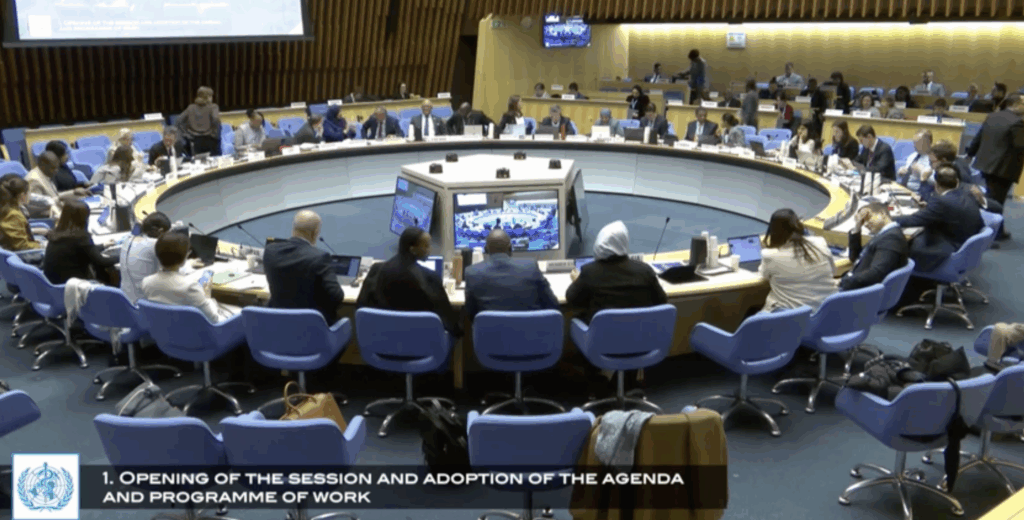
The unresolved nature of these discussions is significant because the Pandemic Agreement cannot legally enter into force without this final piece. While Member States made progress during their session ending May 1, they determined that additional time was required to resolve questions regarding system governance and equitable access to vaccines and treatments.
The Role of Political Will and Sovereignty
President Lula da Silva and Dr. Tedros emphasize that the remaining gaps in the agreement require high-level political intervention rather than technical adjustments alone. They have asked heads of government to instruct their negotiators to prioritize consensus during the upcoming July session.
Addressing potential concerns regarding state authority, the leaders noted that Article 22, paragraph 2 of the agreement specifies that the WHO has no power to alter national laws, mandate lockdowns, or enforce travel restrictions. According to the joint statement, the PABS annex is an integral part of this framework and does not compromise the sovereignty of individual nations.
Expert Insight: The challenge here lies in balancing the rapid, global sharing of genetic material—which is essential for speed in vaccine development—with the need for countries to feel confident that they will receive fair access to the resulting medical countermeasures. The stakes are high: without a pre-negotiated, stable framework, the world risks repeating the ad-hoc responses seen during previous outbreaks.
What May Happen Next
Negotiators are scheduled to reconvene from July 6 to July 17 to attempt to close the remaining gaps. If the parties involved are able to finalize the PABS annex, the Pandemic Agreement could then move toward entering into force. However, failure to reach an agreement by the July 17 deadline may leave the world without a formalized system for future pandemic preparedness.
The urgency of these negotiations is underscored by scientific estimates suggesting a one-in-four chance of another pandemic within the next decade. As climate change, shifts in land use, and advancements in biotechnology continue to alter the global landscape, the risk of pathogen emergence is expected to rise. In the absence of a finalized agreement, the world remains reliant on existing, case-by-case methods for responding to potential health threats.
Frequently Asked Questions
What is the purpose of the PABS annex?
The PABS annex is intended to provide a stable, pre-arranged system for sharing genetic information about pathogens, ensuring that countries can quickly identify threats and distribute vaccines and treatments fairly.

Does the Pandemic Agreement allow the WHO to enforce domestic laws?
No. According to the joint statement, Article 22, paragraph 2 of the agreement explicitly states that the WHO has no authority to direct national policies, impose lockdowns, or require vaccination mandates.
Why is July 17 considered a critical date?
Negotiators are scheduled to meet from July 6 to July 17, and the leaders have requested that this date be treated as a deadline for concluding the agreement to ensure the world is better prepared for future health crises.
How do you believe individual nations should prioritize international cooperation when balancing their own domestic health security needs?