
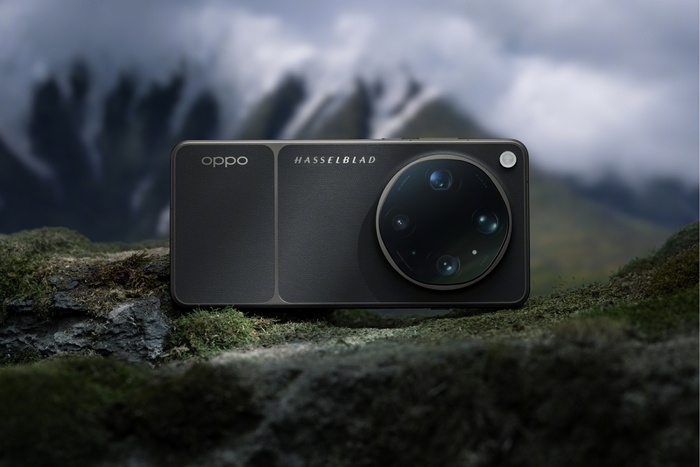
OPPO Leads Indonesia Smartphone Market in Q1 2026
OPPO Indonesia held the top smartphone market position in Q1 2026 with a 22% market share, according to Counterpoint Research. This dominance occurred despite a 9% year-on-year drop in total national shipments, a decline driven by rising global memory component costs that pushed device prices higher across most segments.
Why is the Indonesian smartphone market shrinking?
Total smartphone shipments in Indonesia fell 9% year-on-year in the first quarter of 2026, Counterpoint Research reports. The primary cause is the rising cost of global memory components. When these parts get more expensive, manufacturers raise retail prices.

Higher price tags lead to a “wait-and-see” approach. Many consumers aren’t buying new phones or upgrading their current devices because the cost no longer aligns with their budgets. It’s a market-wide struggle that affects almost every brand operating in the region.
How did OPPO maintain its #1 market position?
OPPO secured its lead by targeting three distinct consumer tiers simultaneously. According to company data, the brand relied on a multi-segment strategy to offset the broader market slump. The A Series focused on durability and competitive pricing for budget-conscious users, while the Reno15 Series targeted creators focusing on photography and productivity.
At the top end, the company launched the Find X9 Ultra and Find X9s to capture high-spending users. Jiang Linlin, Chief Marketing Officer of OPPO Indonesia, attributed this success to consumer trust. Linlin stated that this trust serves as the foundation for the company’s ability to stay ahead of competitors during industry volatility.
What is driving the rise of premium smartphones?
Devices priced above $600 are seeing an unprecedented surge in Indonesia. Counterpoint Research notes that this premium segment grew 30% year-on-year in Q1 2026. These high-end devices now make up 8.3% of all smartphone shipments in the country, the highest contribution in the market’s history.
This shift happens because smartphones aren’t just for calls anymore. They’re primary tools for content creation and professional-grade mobile photography. Users are now willing to pay a premium for flagship performance and advanced imaging sensors that can replace traditional cameras.
Market Performance Comparison: Q1 2026
| Metric | Overall Market | Premium Segment (>$600) |
|---|---|---|
| Shipment Growth | -9% (YoY) | +30% (YoY) |
| Market Share/Contribution | N/A | 8.3% of total shipments |
The contrast is stark: while the average consumer is pulling back, the affluent segment is expanding. This suggests a widening gap in the Indonesian consumer base, where high-end tech is becoming a status and productivity symbol despite economic headwinds.

What happens next for the mobile industry?
The trend toward “premiumization” will likely force other brands to pivot. If the budget segment continues to shrink due to component costs, manufacturers can’t rely on volume alone. They’ll need to offer more “pro” features in mid-range devices to keep users from delaying their upgrades.
Expect more integration of AI-driven photography and specialized productivity software. As Jiang Linlin noted, the appreciation for “flagship experiences” is growing, meaning the battle for the #1 spot will be won in the premium labs, not just the budget factories. For more on how hardware costs affect pricing, check out our latest analysis on global supply chain trends.
Frequently Asked Questions
Who is the current leading smartphone brand in Indonesia?
As of Q1 2026, OPPO is the number one brand with a 22% market share, according to Counterpoint Research.
Why have smartphone prices increased recently?
Counterpoint Research attributes the price hikes to an increase in the cost of global memory components.
Which smartphone segment is growing the fastest in Indonesia?
The premium segment, consisting of devices priced above $600, grew by 30% year-on-year in Q1 2026.
What are the main drivers for buying premium phones?
Consumers are prioritizing professional camera capabilities, flagship performance, and tools for content creation.
Are people buying fewer phones in Indonesia?
Yes, total shipments decreased by 9% year-on-year due to higher device costs.
Do you think the premium trend will continue?
Given the 30% growth rate and the shift toward mobile content creation, the trend is likely to persist as smartphones replace other productivity hardware.
What’s your take on the shift toward $600+ phones in a struggling market? Does it make sense for the average user? Let us know in the comments below or subscribe to our newsletter for more industry insights.