
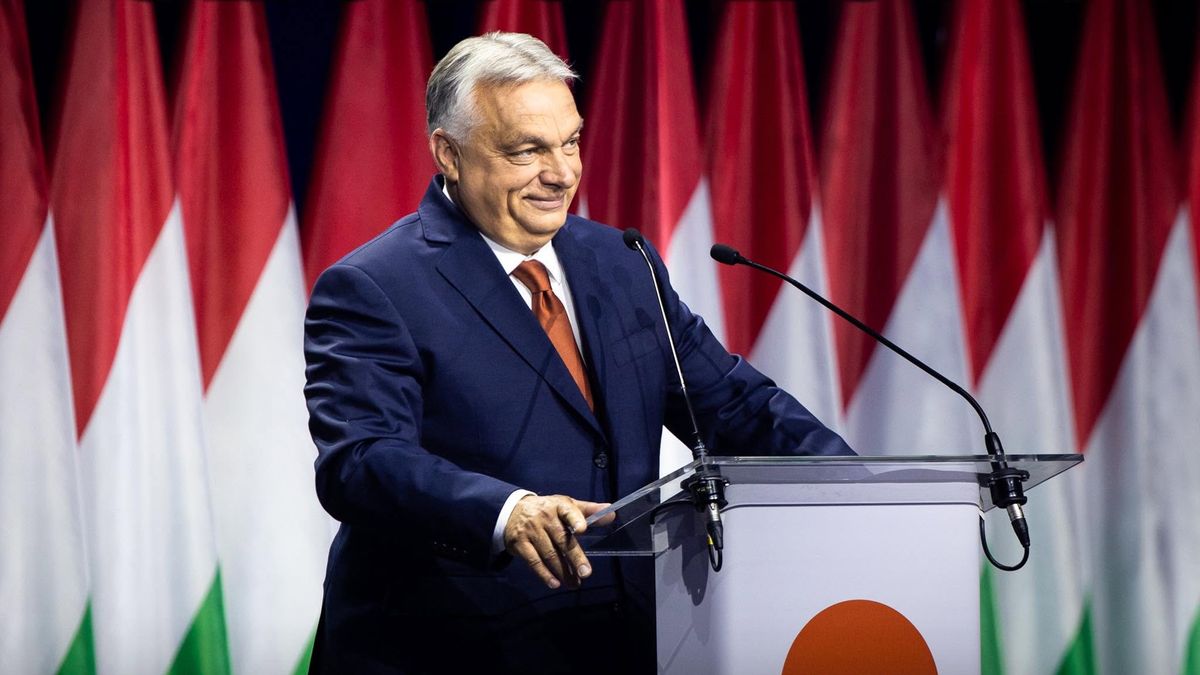
Orbán Slams New Hungarian Government as Liberal Tyranny After Fidesz Defeat
Viktor Orbán has transitioned Fidesz to an opposition party after a decisive election loss to Péter Magyar’s Tisza party. According to reports from 444.hu, Orbán attributed the defeat to failed digital strategies and foreign algorithms, while Prime Minister Magyar compared Orbán’s leadership style to the former communist MSZMP regime.
Why did Fidesz lose the parliamentary elections?
Fidesz suffered a “catastrophic defeat” in the digital space and among young voters, according to Viktor Orbán. Speaking at a party congress two months after the polls, the former prime minister admitted the party failed to detect the opponent’s lead in time and didn’t expect record-breaking voter turnout.
Orbán told 444.hu that Fidesz didn’t react adequately to corruption allegations. He noted that the Tisza party’s message was far more attractive to the electorate than the Fidesz platform. This shift ended a 16-year period of Fidesz governance, pushing the party into the opposition for the first time in over a decade.
How is Viktor Orbán framing the new government?
Orbán described the administration of Prime Minister Péter Magyar as a “liberal Brussels provisional government.” He claims that “methods of liberal tyranny” are now entering Hungary, specifically citing attacks on constitutional institutions and hate campaigns targeting the right wing.

The former prime minister also pointed to external influence, claiming “algorithms controlled from abroad” favored those pushing for a change in government. Orbán argued that these forces, combined with Brussels’ sanctions and the threat of war, blocked economic growth and hindered his government’s ability to create a growth strategy.
What is Péter Magyar’s response to Fidesz?
Prime Minister Péter Magyar dismissed the Fidesz congress, stating the party moved from a “falling airplane to a sinking ship.” Magyar alleged that Viktor Orbán has taken Fidesz “hostage” to avoid accountability and prevent party renewal.
Magyar further compared Orbán’s rhetoric and leadership to the General Secretary of the MSZMP, the Hungarian Communist Party during the era of János Kádár. He claims Orbán continues to push the party in a direction that mirrors that previous authoritarian regime.
What happens next for the Hungarian right?
Orbán stated that Fidesz must remain ready to reclaim government responsibility if the current administration fails. Despite calling the election results a “heavy defeat,” he emphasized that he “never gives up.”
The contrast in framing is stark: Orbán views the current shift as a result of foreign interference and “liberal tyranny,” whereas Magyar views it as a necessary liberation from a “hostage” situation and communist-style leadership. This ideological divide suggests a volatile opposition period as Fidesz attempts to redefine its appeal to a younger, digitally native demographic.
Comparison: Contrasting Narratives of the Election
| Issue | Viktor Orbán’s View | Péter Magyar’s View |
|---|---|---|
| Cause of Loss | Foreign algorithms & Brussels | Lack of accountability & renewal |
| Government Type | “Liberal tyranny” | Democratic correction |
| Party State | Ready for future return | A “sinking ship” |
Frequently Asked Questions
Who is the current Prime Minister of Hungary?
Péter Magyar, leader of the Tisza party, is the current Prime Minister following the parliamentary elections.

Why did Viktor Orbán mention the MSZMP?
Orbán did not mention the MSZMP; rather, Prime Minister Péter Magyar compared Orbán’s leadership style to the General Secretary of the MSZMP (the communist party under János Kádár).
Is Viktor Orbán still the leader of Fidesz?
Yes, but his current mandate as chairman is for one year, and he has suggested he may eventually hand leadership to younger members.
What do you think about the shift in Hungarian politics? Does the “digital defeat” mentioned by Orbán mirror trends in other European elections? Let us know in the comments or subscribe to our newsletter for more deep dives into EU political shifts.