
Oslo Forum: The High Cost of Norway’s Secret Peace Diplomacy
The Norwegian Ministry of Foreign Affairs is hosting the Oslo Forum at Losby Gods, bringing together 150 peace mediators, diplomats, and experts. According to the Ministry, the budget for 2026 is estimated at 20 million NOK, aimed at facilitating confidential talks amid a record 65 active global conflicts in 2025.
How much does the Oslo Forum cost taxpayers?
The Norwegian Ministry of Foreign Affairs (UD) estimates the 2026 budget for the Oslo Forum at approximately 20 million NOK. Press spokesperson Mariken Bruusgaard Harbitz told Nettavisen this figure is roughly the same as the 2025 cost framework.
This spending has drawn criticism from Member of Parliament Bjørnar Moxnes of the Red Party (Rødt). Moxnes described the event as “champagne diplomacy” and an “elite club,” stating that such funds should instead be used to fight poverty and provide humanitarian aid.
State Secretary Andreas Motzfeldt Kravik defended the expenditure, noting that peace and reconciliation account for only 0.68 percent of the total aid budget. Kravik stated that the forum is a necessary priority because most wars end at a negotiating table.
Who is attending the mediation conference?
Foreign Minister Espen Barth Eide is hosting the event in collaboration with the Centre for Humanitarian Dialogue. While many names remain confidential, UD confirmed the attendance of Kenyan President William Ruto, the UK’s national security advisor, and China’s special envoy for the Middle East.
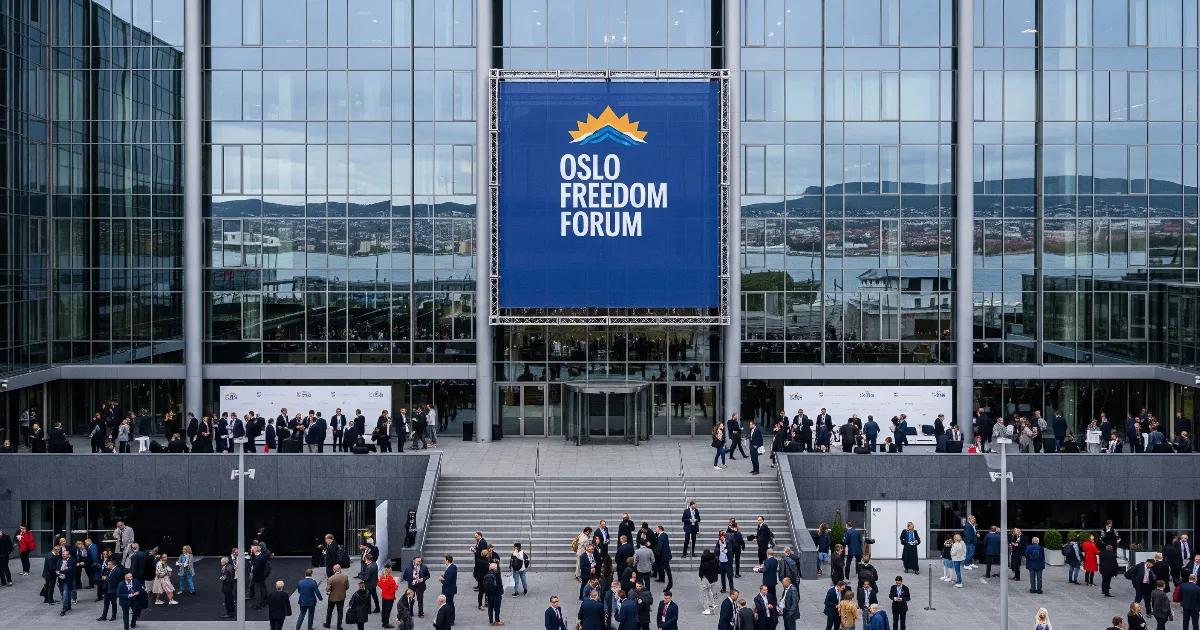
Other participants include foreign ministers from the Sahel region and high-level representatives from Asia, Europe, Latin America, and the Middle East. Representatives from the UN and various civil society organizations are also present.
Past spending on attendees has sparked political friction. Records obtained by Nettavisen showed UD spent 98,580 NOK on hotel stays for foreign ministers from Iran, Saudi Arabia, Egypt, Oman, and Syria during last year’s forum. This led to criticism from MPs Mahmoud Farahmand (H) and Erlend Wiborg (Frp).
Why is the participant list kept secret?
UD maintains that confidentiality is essential for the forum’s success. Mariken Bruusgaard Harbitz stated that the event operates on principles of discretion to allow “open and honest conversations” between actors who often cannot meet in other settings.
The forum is “by invitation only,” a practice UD says is standard for similar conferences in other countries. This secrecy extends to the venue, as the event takes place behind closed doors at Losby Gods.
The current agenda covers maritime security, international humanitarian law, and specific sessions on the Horn of Africa, West Africa, Latin America, and the Middle East. Foreign Minister Eide stated that Norway’s relevance in these talks stems from its long-term credibility and close contact with major powers.
What may happen next?
Given the Red Party’s current platform, the Oslo Forum and the HD-center could be targeted for budget cuts if Rødt’s plan to reduce “waste” is implemented. This may lead to a legislative debate over whether peace mediation should be funded via aid budgets or the general foreign service budget.
As the number of global conflicts remains at a post-1945 high, the Ministry of Foreign Affairs is likely to continue emphasizing the “negotiating table” as the primary exit strategy for these wars. Future disclosures of hotel and transport costs for high-level officials may continue to trigger scrutiny from opposition MPs.
Frequently Asked Questions
What is the projected budget for the 2026 Oslo Forum?
The Ministry of Foreign Affairs estimates the budget to be around 20 million NOK.
Who pays for the travel and hotels of the participants?
According to Mariken Bruusgaard Harbitz, high-ranking officials generally cover their own travel to Norway. While the Ministry typically covers hotel and transport costs within Norway, some officials pay for their own hotels, and delegations generally cover their own members’ costs.
What is the primary goal of the Oslo Forum?
It serves as an informal meeting place for peace mediators, decision-makers, and conflict parties to have confidential discussions regarding the world’s most demanding conflicts.
Do you believe the need for diplomatic secrecy justifies the use of public funds for private conferences?