

Out-of-this-world medical tech could boost health care on Earth, researchers say
Deep space exploration is driving the development of portable medical technology and robotic care that researchers say will benefit remote and under-resourced communities on Earth, according to Dr. Dave Williams and Dr. Farhan Asrar. This relationship between space and terrestrial medicine has already produced common tools such as ear thermometers, virtual doctor appointments, and portable ultrasounds that plug into an iPhone.
Why is deep space exploration changing healthcare?
Missions to the Moon and Mars make returning to Earth for medical care difficult or impossible, according to Dr. Tarek Sardana, president of the Canadian Society of Aerospace Medicine. Sardana stated that a return trip could take days, weeks, or months.
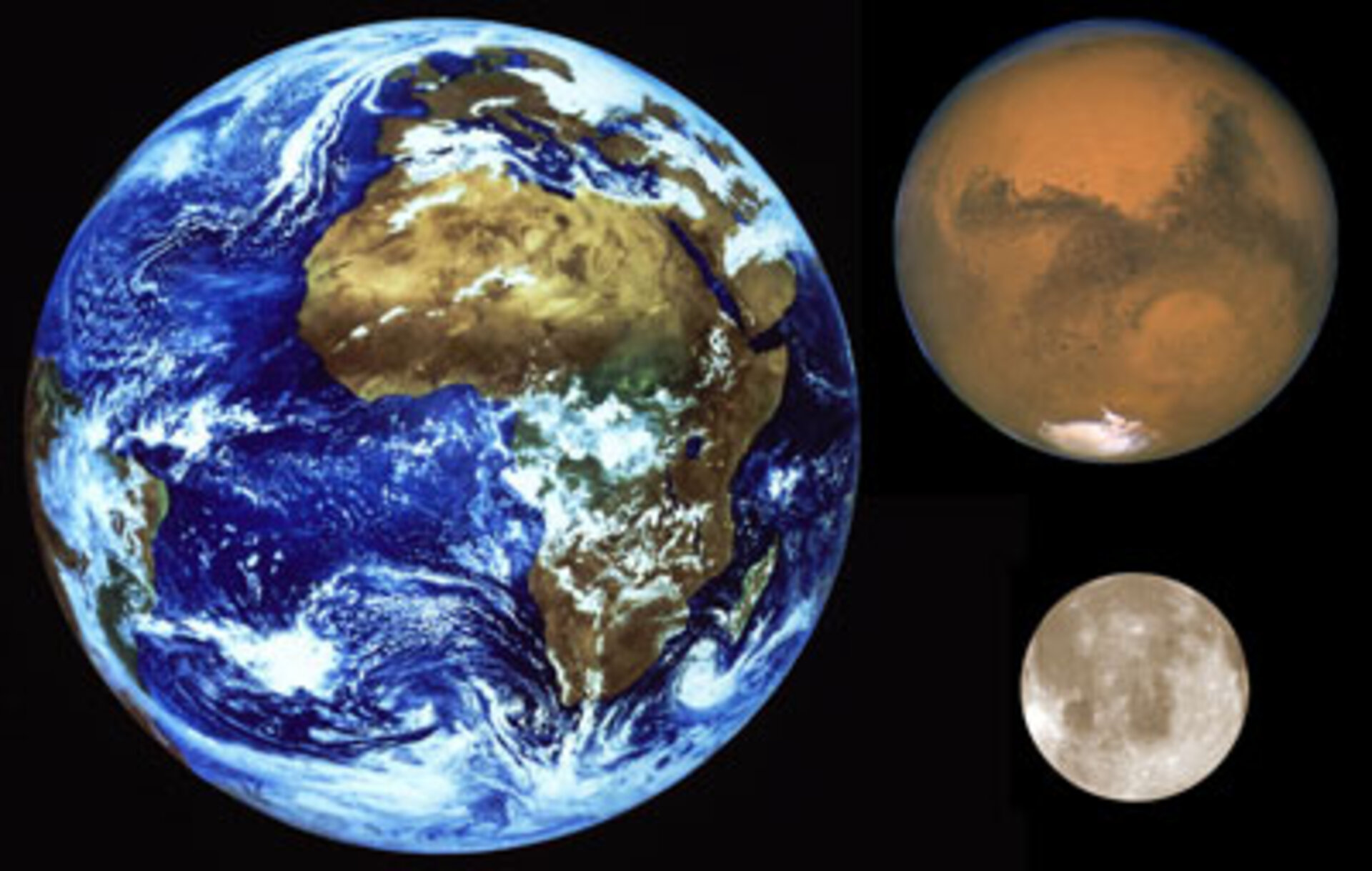
These distances necessitate faster communications for virtual care and increased reliance on AI and robotics. Dr. Williams noted that a 20-minute delay for messages to reach Mars would be too long for doctors on Earth to provide timely emergency care.
This environment may accelerate the development of wearable technology to monitor vital signs, as well as exoskeletons and robotic limbs to support people with disabilities or those at risk of falling.
How does space tech help remote Earth communities?
Dr. Asrar, an associate dean at Toronto Metropolitan University’s school of medicine, said that because heavy equipment cannot be taken into space, the need for portable technology increases. These lighter, adaptable tools could assist physicians in disaster zones and remote communities.
Astronaut and former family doctor David Saint-Jacques compared providing care to astronauts with treating isolated populations, such as the Inuit community in Puvirnituq, Quebec. He noted that limited resources and travel costs often drive a different standard of care in these areas.
Saint-Jacques stated that the isolation experienced by an elderly person unable to leave a downtown apartment is similar to being on a spaceship. He described the relationship between space and Earth medicine as a “two-way street,” as tools are often tested on Earth before being sent into space.
What are the barriers to medical innovation?
High costs and lengthy regulatory processes can delay the implementation of space-born technology in hospitals. Dr. Williams cited functional robotic surgery, developed by NASA and the CSA in the early 2000s, which remains uncommon due to its price and complexity.
Funding decisions also depend on terrestrial utility. According to Dr. Asrar, the Canadian Space Agency considers how a proposed technology could be used on Earth when allocating funds, noting that technology without Earth benefits is generally not what they seek.
What happens next for aerospace medicine?
The Artemis II mission may accelerate innovation and increase interest in the field, according to Dr. Sardana. He stated the mission has “created a lot of buzz” that could act as “gas on the fire” for the industry.

This momentum is likely to lead more young people to enter the field and more physicians to seek specialized training in aerospace medicine.
Frequently Asked Questions
What common medical tools were adapted from space technology?
Ear thermometers, virtual doctor’s appointments, and portable ultrasounds that plug into an iPhone were all adapted from space technology.
Why is AI-supported care necessary for Mars missions?
According to Dr. Williams, it would take 20 minutes for a message from Earth to reach Mars, which is too long for a doctor to provide timely health care during an emergency.
How does the Canadian Space Agency decide which technologies to fund?
Dr. Asrar stated the agency considers whether a proposed technology provides benefits on Earth when deciding how to allocate funding.
How could portable medical tools change the way healthcare is delivered in your own community?