
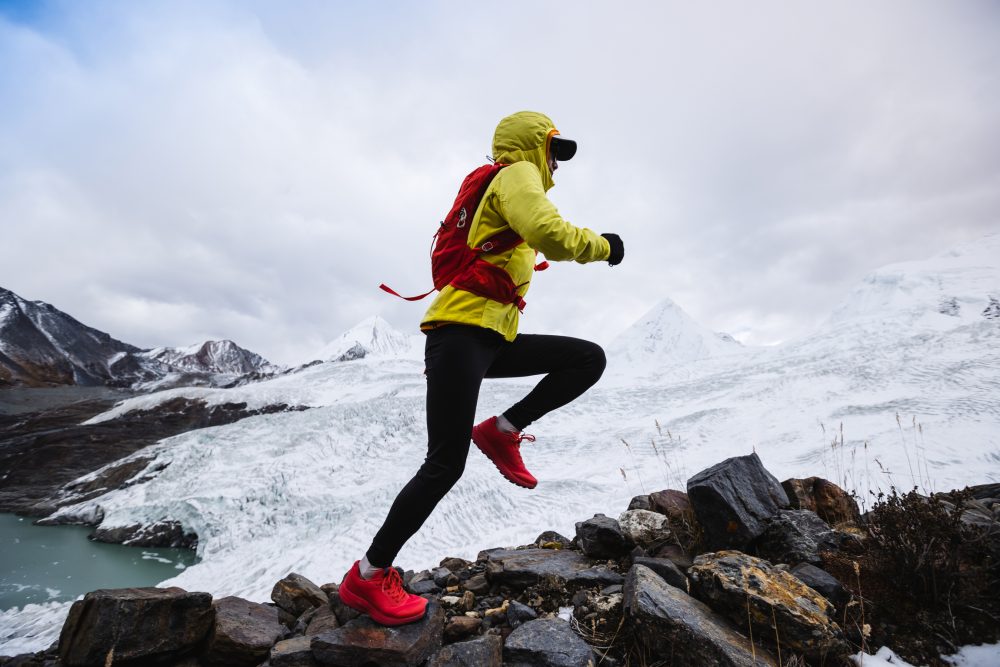
Outdoor exercise is key to combating winter vitamin D deficiency
For millions of people, the approach of winter signals the start of a daily ritual: reaching for a vitamin D supplement. As daylight fades and ultraviolet rays become scarce, the body—which typically generates 80% of its vitamin D through skin exposure—struggles to maintain adequate levels. With roughly one billion people worldwide currently facing a shortfall, the reliance on capsules to support bone health, immune function, and muscle recovery has become a standard seasonal response.
However, a new trial published in the journal Scientific Reports suggests that the solution to winter deficiency may be found outdoors rather than in a bottle. Researchers from the University of the Basque Country and the University of Urbino tracked 45 adults through the darkest months of the year to determine if physical activity could serve as a natural alternative to supplementation.
The Anatomy of the Trial
The study divided participants, aged 20 to 45, into four distinct groups. Half were amateur runners who trained outdoors, while the others remained sedentary. Within these groups, participants were either assigned a daily vitamin D3 dissolving strip or given nothing at all. The protocol began in October and tracked blood markers through the winter solstice into March.
The results revealed a surprising parity. While supplements successfully boosted vitamin D levels in both runners and non-runners, the runners who took no supplements maintained stable readings throughout the winter. By December, the runners who relied solely on outdoor training exhibited vitamin D levels nearly identical to those of non-runners who had been taking daily supplements.
Immune System and Performance
Beyond blood markers, the study examined the impact on immune function. Participants who took supplements maintained steadier white blood cell counts, particularly neutrophils, which are critical for the initial response to infection. Conversely, sedentary participants who took no supplements experienced an 18% drop in total white cell counts and a one-third decline in neutrophils.

While the supplement provided a measurable boost to biological markers, it did not translate into a performance edge. Metrics such as maximum oxygen uptake, jump height, and leg-press strength showed no meaningful improvement in either the supplemented or unsupplemented groups. As Dr. Eneko Fernandez-Pena noted, vitamin D does not function like performance-enhancing substances; it serves a different physiological role, and its presence alone does not guarantee increased athletic output.
What Happens Next
The study highlights the transient nature of these gains. Once the supplementation protocol ended, vitamin D levels declined across all groups by March. This indicates that whether one relies on pills or outdoor activity, consistency is required to prevent a return to deficiency.
Future research may look more closely at the potential for physical activity to influence strength metrics, as some static tests in the trial showed hints of change that did not reach statistical significance. In the meantime, the evidence suggests that for those capable of doing so, 20 to 30 minutes of outdoor movement several times a week may be a highly effective strategy to maintain health through the winter months.
Frequently Asked Questions
Does taking vitamin D supplements improve athletic performance?
No. The study found that physical performance metrics, including oxygen uptake and jump height, showed no meaningful change regardless of whether participants took supplements or not.
Can outdoor exercise replace a vitamin D supplement in winter?
The study suggests it can. Runners who trained outdoors without supplements maintained vitamin D levels comparable to those who took daily pills, as the sun exposure on their skin was sufficient to hold their levels steady.
What happens to vitamin D levels when you stop taking supplements?
Levels appear to be seasonal. The study observed that participants who stopped taking their supplements saw their gains fall off within 12 weeks, with levels dropping as winter progressed.
How do you typically manage your health and wellness during the shorter, darker days of winter?