
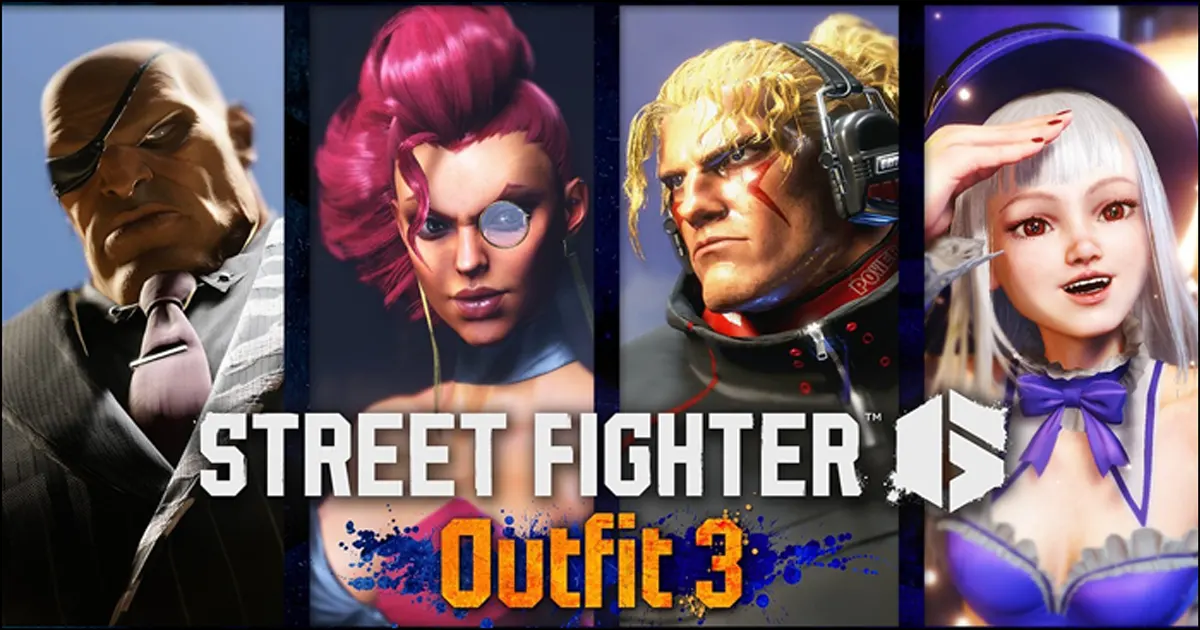
Outfit 3 DLC revealed for Ingrid, Sagat, Alex and C. Viper in Street Fighter 6
The Evolution of Virtual Fashion: Why Cosmetics Now Drive the Fighting Game Experience
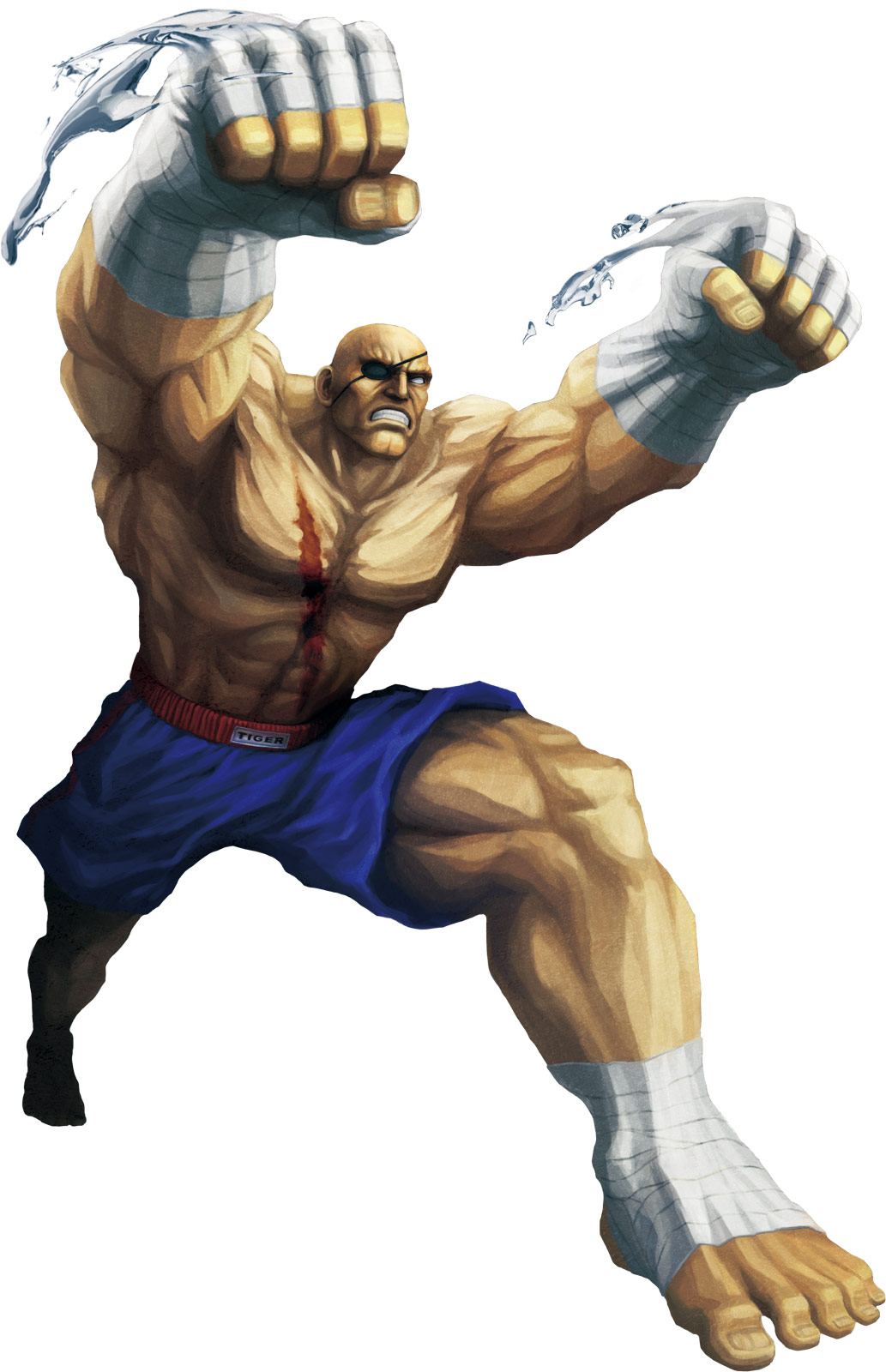
For decades, fighting games were defined by a character’s “iconic look.” You knew Ryu by the white gi and Sagat by the scars and Muay Thai shorts. But as we see with the latest updates in Street Fighter 6, the industry is shifting. We are moving away from static identities toward a “virtual wardrobe” model where fashion is as much a part of the meta as frame data.
The recent rollout of diverse outfits—ranging from pinstripe suits to gothic lolita dresses—isn’t just about aesthetics. It’s a calculated move toward a lifestyle-centric gaming experience. By offering “civilian” clothing, developers are bridging the gap between the combat arena and the social spaces of the game, allowing players to express an identity that exists outside of the fight.
From Combat Gear to Couture: The “Lifestyle” Trend
The trend of “out-of-character” clothing—like C. Viper in an evening dress or Sagat in a tailored suit—reflects a broader shift in the gaming industry. We are seeing a move toward “lifestyle cosmetics.” This allows developers to tap into real-world fashion trends, such as streetwear or high fashion, making the characters feel more like living entities and less like static sprites.
This strategy increases player engagement by creating a “collection” mentality. When a character like Alex trades his wrestling gear for headphones and training clothes, it tells a story about his life outside the ring. This narrative-driven fashion keeps players emotionally invested in the roster long after they’ve mastered the combos.
Mining the Vault: The Power of Nostalgia-Driven DLC
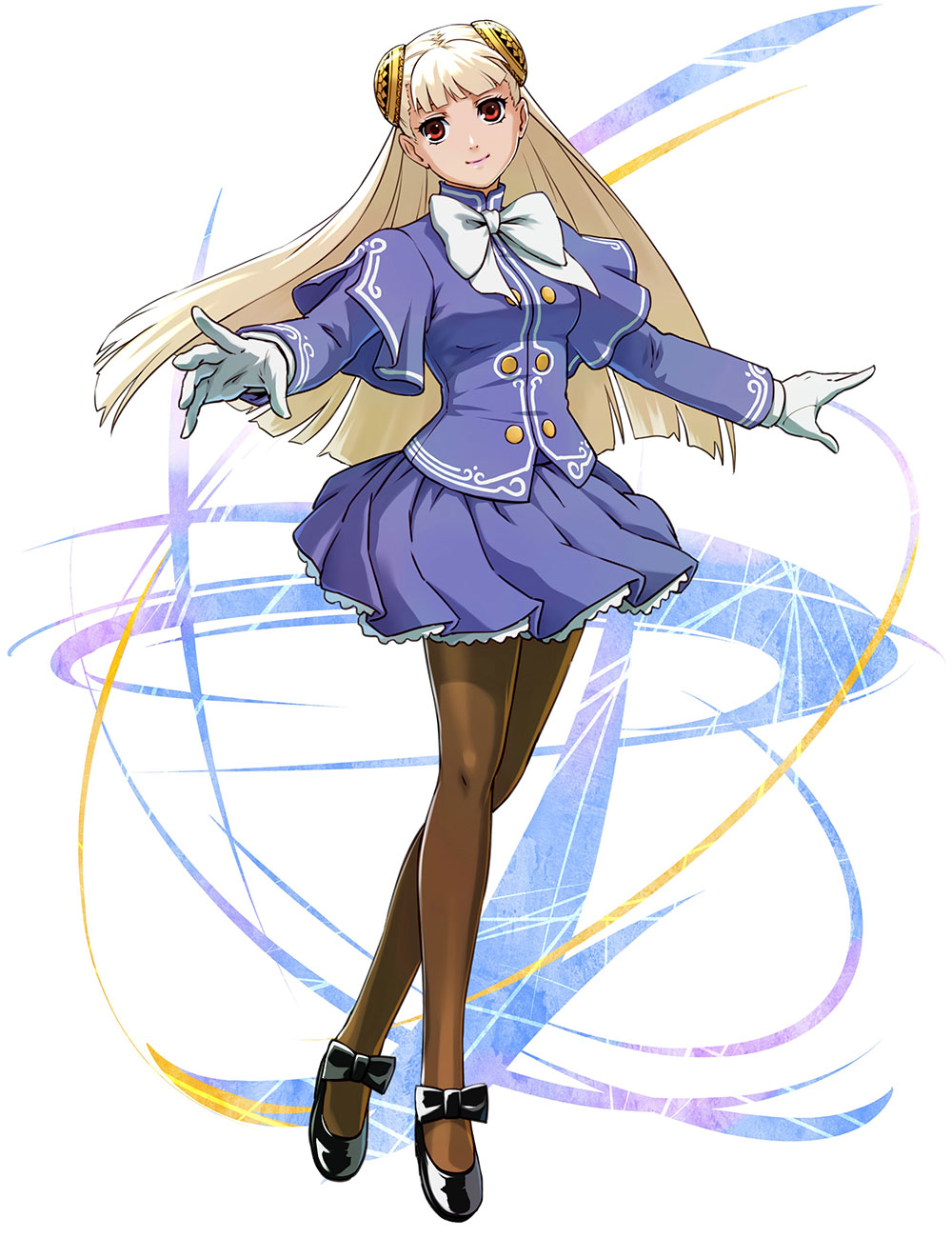
One of the most effective tools in a developer’s arsenal is the “deep cut.” Bringing back Ingrid’s “Midnight Bliss” design—a reference to Capcom Fighting Evolution—is a masterclass in fan service. It rewards long-term veterans of the series while providing a fresh, intriguing look for newcomers.
This “nostalgia loop” is a growing trend across the AAA landscape. Whether it’s legacy skins in Overwatch or classic costumes in Mortal Kombat, mining the vault creates a sense of continuity. It transforms a simple DLC purchase into a celebration of the franchise’s history.
For developers, this is an efficient way to create high-value content. Instead of designing a concept from scratch, they refine an existing, beloved design, ensuring a higher conversion rate among the core fanbase.
The Economics of the “Outfit Pack” and Live Service Cadence
The pricing model for these cosmetics—typically around $6 USD or 300 Fighter Coins—highlights the industry’s shift toward micro-transactions over large, infrequent expansions. By releasing smaller, more affordable “Outfit Packs,” publishers can maintain a steady stream of revenue while keeping the community engaged with frequent, bite-sized updates.
However, the challenge lies in the “cadence.” As players noted with the gaps between Outfit 3 releases, inconsistency can lead to community frustration. The future of live-service fighting games depends on a predictable roadmap. When costumes are bundled with new game modes or character releases, it creates a “event” feel that drives peak concurrent player counts.
To see how this compares to other titles, you can explore current trends on the Steam Store, where “Battle Passes” are increasingly replacing individual skin purchases to ensure a consistent revenue flow.
Synergizing Content: The New Blueprint for Retention
The most successful modern updates don’t just drop a skin; they drop an ecosystem. Launching new outfits alongside new avatar battle modes is a strategic move to increase “time-on-device.”
By giving players a reason to enter a new mode (the battle system) and a reason to look good while doing it (the new outfits), developers create a synergistic loop. This holistic approach to updates is the gold standard for player retention in the current market.
For more strategies on mastering the current meta, check out our comprehensive character guides to ensure your gameplay matches your style.
Frequently Asked Questions
Most costumes range from $5 to $10, or a similar amount of in-game premium currency (e.g., 300 Fighter Coins), depending on the complexity of the design.
Why do developers release “legacy” outfits?
Legacy outfits leverage nostalgia to attract veteran players and provide a sense of historical depth to the characters, often resulting in higher sales than entirely new designs.
Will adding costumes affect the game’s competitive balance?
In almost all cases, cosmetics are purely aesthetic. They do not change hitboxes or frame data, ensuring that the competitive integrity of the game remains intact.
How often can I expect new costume updates?
While it varies by developer, most live-service games aim for quarterly updates or tie-in releases with new character seasons to maintain player interest.
Do you prefer the classic combat gear or the new “lifestyle” aesthetics? Let us know in the comments below, or share this article with your fighting game community to start the debate!